Sticker shock, up close and everywhere
Benjamin Young wanted the bells and whistles, but the price of getting them on a used SUV stung. He paid $30,000 for a Toyota 4Runner that is 12 years old and has 90,000 miles. "I'm definitely getting less for the money," Young said, a 48-year-old process engineer based near Jacksonville. Later he shrugged, "It's kind of the way of the world."
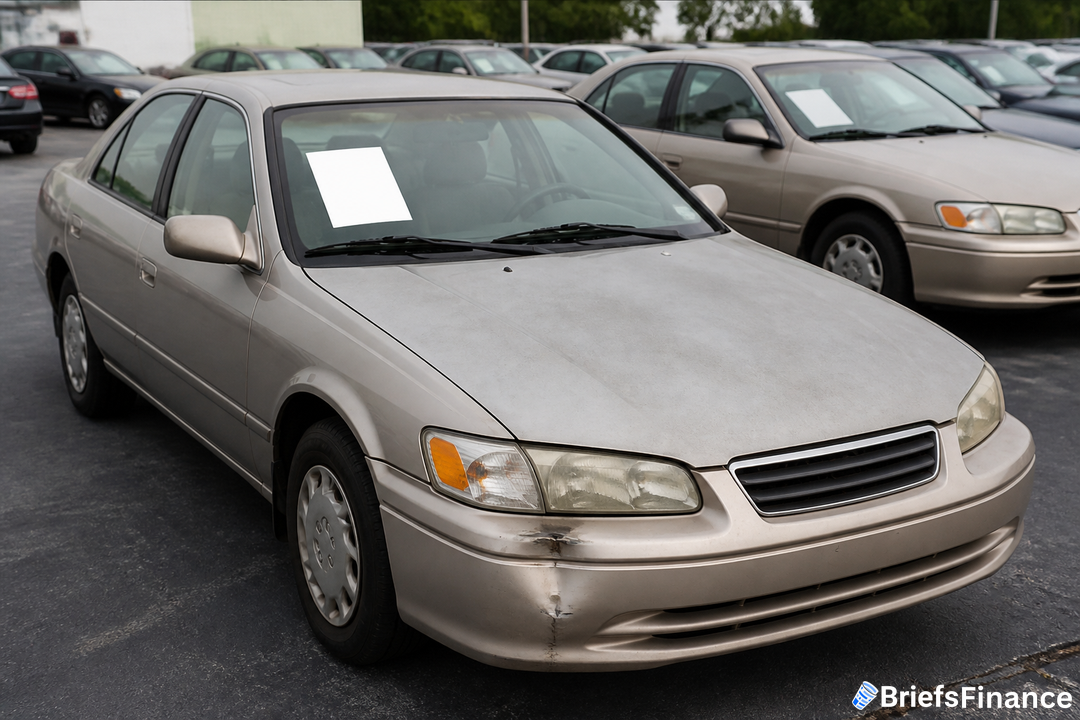
That personal math lines up with what shoppers are finding across the lot. Edmunds reports that $10,000 to $15,000 now buys an older, higher-mileage car than it did a few years ago. Even starter new models have moved upmarket. A base Honda Civic starts at $25,000, and a new 4Runner runs about twice what Young just paid for his used one.
Why the used market got so pricey
New-vehicle prices set the floor. The average new ride now rings up at $50,000. Because vehicles often lose around 40% of their value within three years, Edmunds reports the average used vehicle now tops $30,000, versus roughly $20,000 in 2019. Data for the second quarter of 2026 show the going rate for a three-year-old model is nearing $33,000.
Automakers have leaned into higher pricing. General Motors highlighted a $52,000 average transaction price in its second-quarter report and said its incentives sit below many rivals. Ford said stronger net pricing added $200 million to its latest quarterly profit. Later this year, GM will introduce refreshed Chevrolet Silverado and GMC Sierra pickups, and, according to Chief Financial Officer Paul Jacobson in remarks to investors, those redesigns "means there is pricing potential."
If that sounds like margins over market share, some of it is simply paying the bills, said Diane Swonk, KPMG's chief economist. She pointed to costs from Trump's tariffs and higher energy prices tied to the war with Iran, especially diesel that haulers burn moving parts and vehicles around the region. "We just don't have the churn," Swonk added, noting how fewer lease returns are flowing back to dealers.
The pipeline that once fed lots with lightly used cars has thinned. For roughly two decades before the pandemic, automakers juiced sales with big rebates, 0% financing and cheap leases, and those leases reliably returned low-mileage cars to the market. In the pre-Covid years, Americans signed roughly 4 million leases annually. He said carmakers have pulled back on low-rate lease deals because, with today's interest costs, those incentives are too pricey, so they'd rather sell than lease.
What shoppers are up against on the lot
"They're like gold," he said. "They're out there, but we have to pay record prices to get them."
Competition on the buying side is just as intense. Amy Hyken of Kansas spent months scrolling before she found a used Lexus NX 250 with fewer than 50,000 miles for $35,000. The one she landed was in Florida, so she shelled out $800 to ship it and waited two months for delivery near Kansas City.
When everyday costs shift, keeping a steady plan helps protect your financial future. Join Briefs Finance CEO Jaspreet Singh on September 29th for a FREE live investor workshop, How to Profit From A Dollar That's Losing its Value, where he shows how we're spotting investment opportunities as the dollar falls. Save your spot.
She eventually clawed back the shipping fee because it arrived late. "It's a thinner market than it was in the past," according to Hyken, 58, a child family therapist. "I'm paying more, and finding the car I want is harder."
Older cars also mean more risk. Young says he loves his 4Runner, but a fluid leak is hitting the shocks. Shops quoted him repair bills in the thousands, and he is sparring with the retailer over covering the fix.
Rates, politics and your wallet
Policy and macro forces are adding friction. The Federal Reserve raised interest rates this week, and investors expect more hikes to fight inflation, which makes borrowing costlier. US mortgage rates just reached their most elevated point in over a year, and September's consumer sentiment missed forecasts.
Voters returned President Donald Trump to the White House in part on a promise to cool prices. After the president launched military action against Iran in late February, inflation has stayed above 3%, driving up energy costs. Polling indicates Democrats are ahead in their effort to retake the House in November's midterms and are competitive for the Senate, while Trump's approval ratings trail.
For your budget, here is the takeaway that matters: thinner used-car supply, pricier new models and higher interest costs mean your dollars likely buy an older, higher-mileage vehicle than before, with more set-asides for repairs and financing. That is your driveway.
A thoughtful approach to saving and investing can make your money work harder. Our CEO Jaspreet Singh is hosting a FREE live investor workshop, How to Profit From A Dollar That's Losing its Value, on September 29th. Sign up free to join him live.