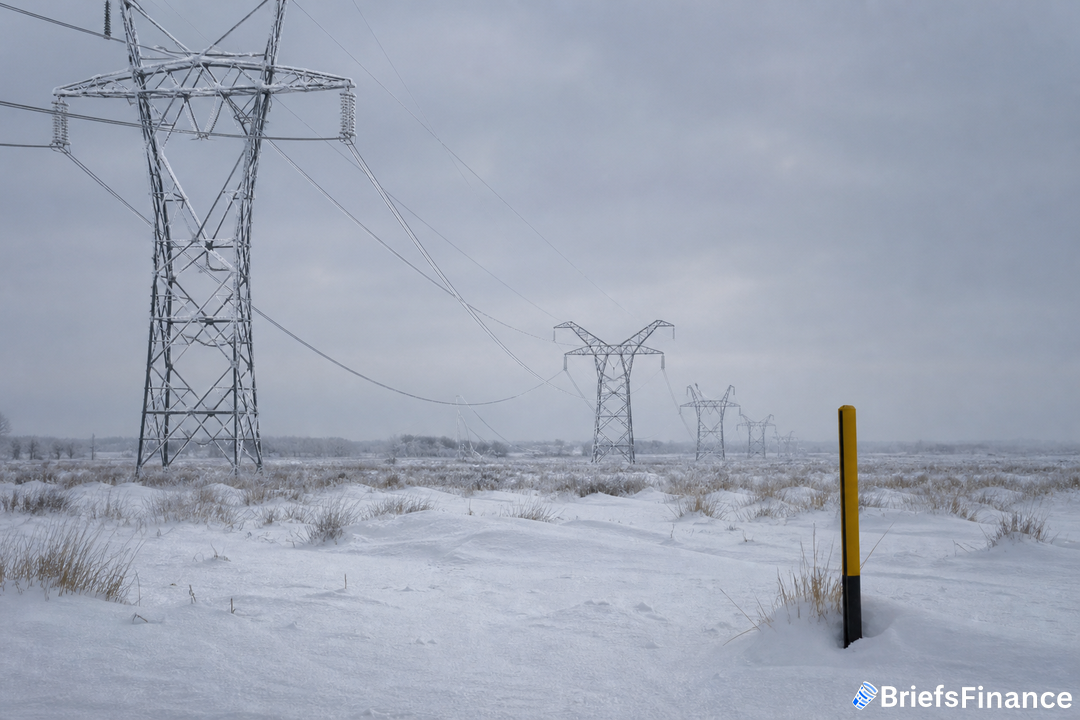
Why prices are jumping now
Electricity for January delivery in Germany is above €180 per megawatt hour on the European Energy Exchange, which is more than 60% higher than a year earlier. The main pressure point is natural gas. Europe is refilling storage while competing with buyers around the world, and that contest has driven gas higher in recent weeks. The Iran war is piling on - because the Strait of Hormuz is closed, supplies from Qatar are being cut off.
All this is landing just as Europe tries to electrify more of its economy and lean less on imported fossil fuels. The region is better prepared than many expected after the strides made since Russia's invasion of Ukraine four years ago, but the latest spike shows how much Europe still leans on gas and coal and how quickly global turmoil can feed into local bills. Higher power costs risk lifting household and business expenses, stoking inflation at a time when investors are betting on more rate hikes, and they remain politically sensitive after governments spent billions of euros shielding consumers while pushing the energy transition.
How Europe is positioned after the 2022 crisis
Back in 2022, when Russian pipeline flows collapsed, power prices shot above €1,000 per megawatt hour - more than five times today's futures for next January. Since then, Europe has added infrastructure to import liquefied natural gas, curbed fuel use, and diversified suppliers, reducing the odds of a true shortage even if prices continue to rise. The trade-off is deeper exposure to the global LNG market, which means disruptions far from Europe can quickly echo through its gas and power prices.
This year added its own strains. Parts of France's nuclear fleet were curtailed by heat and strikes, and hydropower stocks are low. With no indication that the Iran war is ending, those pressures remain active.
Who stands to gain or lose, and what could move prices next
Ulf Ek, chief investment officer at Northlander Commodity Advisors LLP, said, "There's potential for higher prices in power and perhaps a quicker rally than what we've seen so far." "We can hope it's going to be a windy and sunny winter, and if not, then electricity, gas and coal prices will go higher." Should winter be cold and Middle East supplies stay constrained, Ek expects wholesale power could climb by as much as 50%. He also notes the hit to consumer bills should be smaller because suppliers typically buy ahead at lower prices, though the consumer impact differs from country to country. UK households face a 25% jump in energy bills in January, while in Norway consumers will be largely insulated from higher wholesale prices by state subsidies.
Higher market prices often boost generators, including renewables, because costlier fuels set the price of electricity. Jefferies analyst Ahmed Farman estimates companies such as RWE AG, Engie SA and EDP Renewables SA could post earnings next year about 10% above current forecasts if prices stay elevated. Renewables are already cushioning volatility: Baringa's analysis for Bloomberg News found average wholesale power prices this summer would have been 30% higher if the solar capacity installed since 2021 had not been in place.
Energy headlines can be unsettling, so steady strategies help protect long term savings. Join Briefs Finance CEO Jaspreet Singh on September 29th for a FREE live investor workshop, How to Profit From A Dollar That's Losing its Value, where he shows how we're spotting investment opportunities as the dollar falls. Save your spot.
Winter treats solar differently, particularly across northern Europe, where brief, overcast days cut production to only a fraction of summertime levels. That puts more weight on wind to deliver cheap, clean power and trim fossil fuel demand. But calm spells, which often show up alongside cold snaps, can leave the system exposed to price spikes. Rabobank's senior energy strategist, Florence Schmit, said, "There is not much that can shield power markets." "The renewables side has been growing but hasn't been strong enough to make up for this huge reliance on gas."
Gas plants still matter to keep the grid balanced and likely will for years. Germany has just launched a tender for additional gas-fired power plants. The UK has also considered offering higher prices to encourage investment in new gas-fired stations, even as it plans a record build-out of offshore wind.
Costs could ease if tensions between the US and Iran calm. A mild, windy and wet winter would also help by damping demand and boosting renewable output, particularly if gas prices fall further. "We're looking at a painful winter, a difficult winter," said Caspian Conran, an economist at Baringa.
"There's going to be a reasonable hit to energy bills this winter, but nothing expected like Ukraine levels."
What this means for your money
If you live in Europe, this power story is more likely to show up in your utility bill than your stock portfolio, and how much you feel it depends on where you live. If you own utility names, remember that higher wholesale prices can be a tailwind for generators, and some analysts see room for earnings to surprise if prices stay firm. The swing factors are simple and uncontrollable - the weather and geopolitics.
When prices feel uncertain, a thoughtful plan keeps your money growing and secure. Our CEO Jaspreet Singh is hosting a FREE live investor workshop, How to Profit From A Dollar That's Losing its Value, on September 29th. Sign up free to join him live.