The Tariff Challenge
Now each of those vehicles carries a 25% tariff that adds thousands of dollars to the sticker price. The company has to cut costs fast to keep those cars from becoming too expensive for buyers.
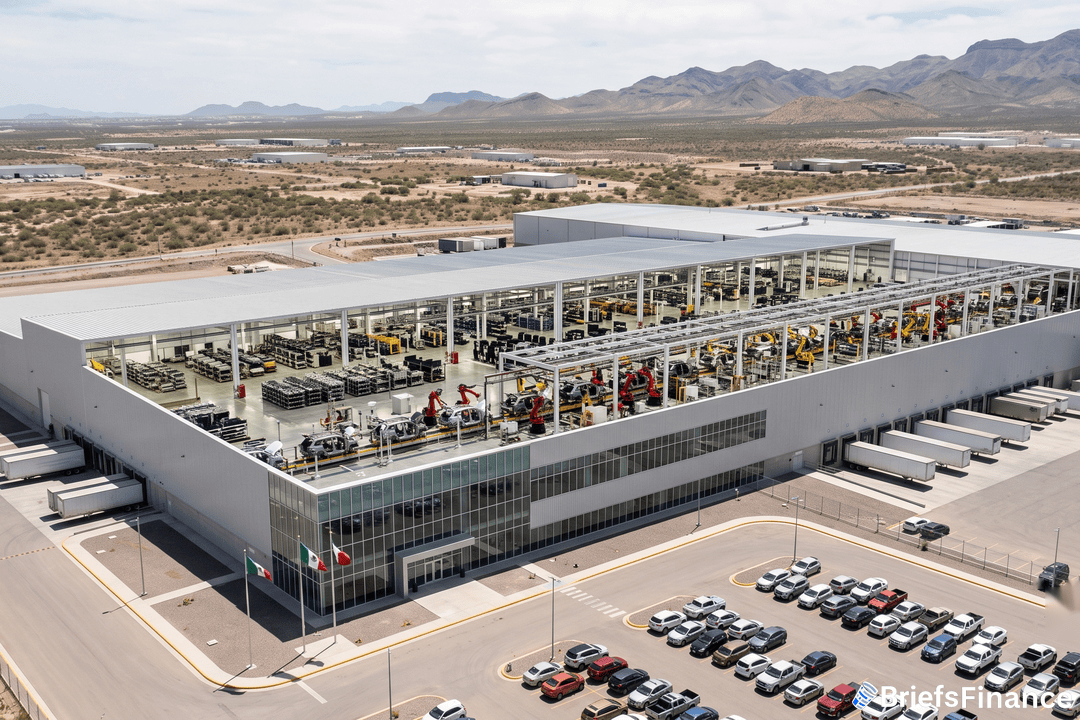
The Trump administration imposed the 25% tariff on vehicles built in Mexico, and negotiations to renew the US-Mexico-Canada free trade agreement remain stuck past the July 1 deadline. For Nissan, that means a direct hit on its most affordable models.
CEO Ivan Espinosa said the tariffs are "making part of the lineup that we are bringing in from Mexico difficult to sell." The pressure is especially sharp because prices for new cars in the US are at or near all-time highs. The Versa, which was the last 2025 model year vehicle sold in the US for less than $20,000, has been discontinued.
Get your free investing masterclass bonus when you join Market Briefs, our free daily newsletter
Instead of raising prices, Nissan is cutting expenses on the Mexico-built cars. The company wants to keep the Sentra and Kicks competitive.
Nissan still benefits from lower labor costs in Mexico, but the tariff adds cost to each vehicle. The company is now focusing on cutting costs on those models.
The tariff impact is particularly acute for Nissan because its entry-level models like the Kicks and Sentra are priced near the bottom of the market, where every extra dollar matters. Buyers in this segment are often price-sensitive, and a $2,500 increase could push them toward used cars or competitors' offerings. Nissan's cost-cutting measures aim to absorb the tariff without raising retail prices, preserving its share in the affordable car segment.
Cost-Cutting and Production Shifts
Nissan has already shifted more production to the United States. "We will continue the strategy that we have set in the US, which is building cars in the US," Espinosa said. "With the current context in which we are living, it does make sense to continue investing in the US."
Nissan, which recently engaged in brief merger discussions with Honda, also holds a longstanding alliance with Dongfeng Motor Group of China. The broader trade environment adds further pressure. The US tariff on Mexican-built vehicles is part of ongoing tension around the USMCA renegotiation, and automakers like Nissan that depend on Mexican production for entry-level models face a tough road as consumers already struggle with high prices. Nissan's efforts to cut costs and localize manufacturing reflect an industry-wide trend to adapt to trade barriers.
The tariff problem won't disappear unless the trade deal is renewed, so the company is working to make its own math work.
Subscribe to Market Briefs, our free daily newsletter, and claim your bonus investing masterclass