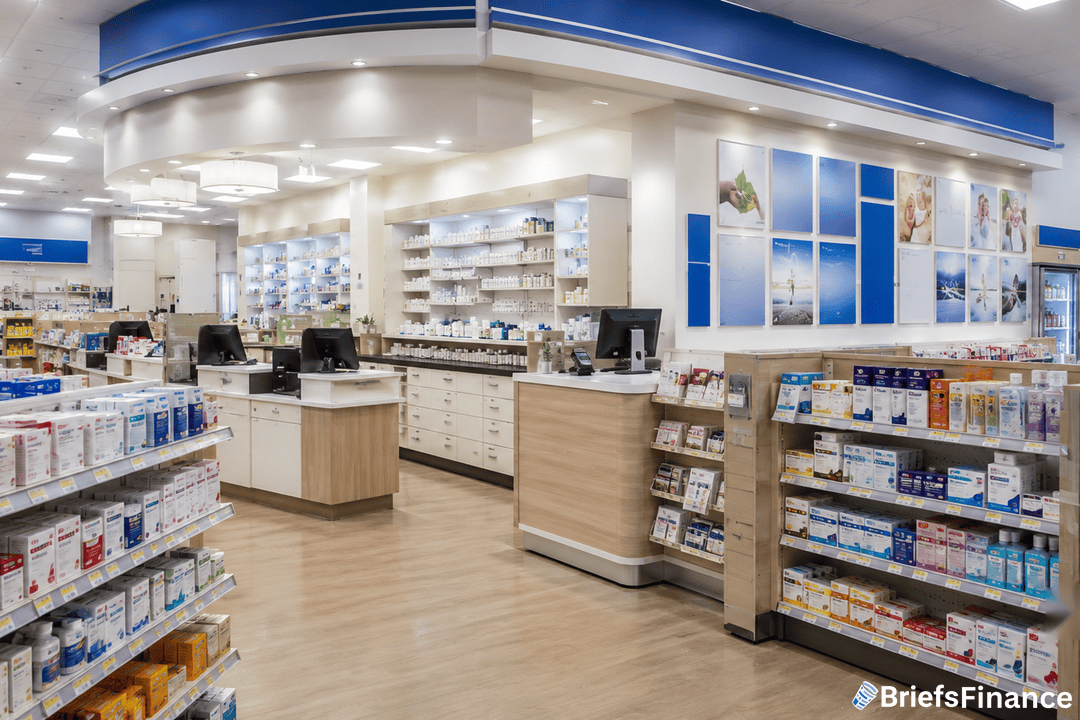
Most seniors had no idea Medicare would soon pay for weight-loss medicines. Now that coverage has started, many are confused about who qualifies. Two big retailers are stepping in to explain the rules.
The Coverage Gap
Medicare launched a short-term program called "Bridge" that covers obesity drugs for the first time. The drugs - GLP-1 medications made by Novo Nordisk and Eli Lilly - are now eligible under this temporary rule.
This knowledge gap means many older adults are missing out on a benefit that could aid in weight management and related health problems. Walmart and CVS Health are now trying to close that information divide.
The Bridge program, which took effect on July 1, 2026, is a temporary measure designed to provide immediate access while the Centers for Medicare & Medicaid Services evaluates a permanent rule. During this period, beneficiaries with a body mass index of 30 or higher or those with weight-related conditions such as diabetes or hypertension can receive coverage for GLP-1 drugs. These medications, including Wegovy and Zepbound, typically cost over $1,000 per month without insurance. The program is expected to run through 2026, giving policymakers time to assess the long-term costs and benefits of covering obesity drugs under Medicare.
Get your free investing masterclass bonus when you join Market Briefs, our free daily newsletter
The new coverage stems from a Centers for Medicare & Medicaid Services rule change that allows Medicare Part D plans to cover anti-obesity medications for beneficiaries with a body mass index of 30 or higher or those with weight-related conditions. Previously, federal law prohibited Medicare from covering weight-loss drugs, a restriction that had left millions of seniors without affordable access to these medications. The Bridge program is intended as a temporary solution while CMS evaluates permanent coverage.
Walmart's Approach
Walmart is using its massive pharmacy network to reach seniors. Of Walmart's 15,000 pharmacists, roughly half have worked there for more than ten years.
Kevin Host, a senior health executive at Walmart, pointed out that pharmacists are often the easiest healthcare professionals to reach. "Pharmacists are easily the most accessible healthcare professionals," he said. Host noted that many Walmart pharmacies are in rural and medically underserved areas, where patients have few other options.
Walmart is also educating its pharmacists and technicians to provide personal consultations and creating digital resources that assist seniors in evaluating their food choices and suggesting more nutritious options. "We think we have the unique ability to help, and we're looking to help with accessibility and affordability," Host added.
CVS Health's Response
CVS Health is taking a similar but separate approach.
Sid Tenneti, CVS's acting head of pharmacy and consumer wellness, emphasized the role of pharmacists. "From helping patients manage side effects to identifying ways to lower costs, our pharmacists are there every step of the way," he said.
Subscribe to Market Briefs, our free daily newsletter, and claim your bonus investing masterclass