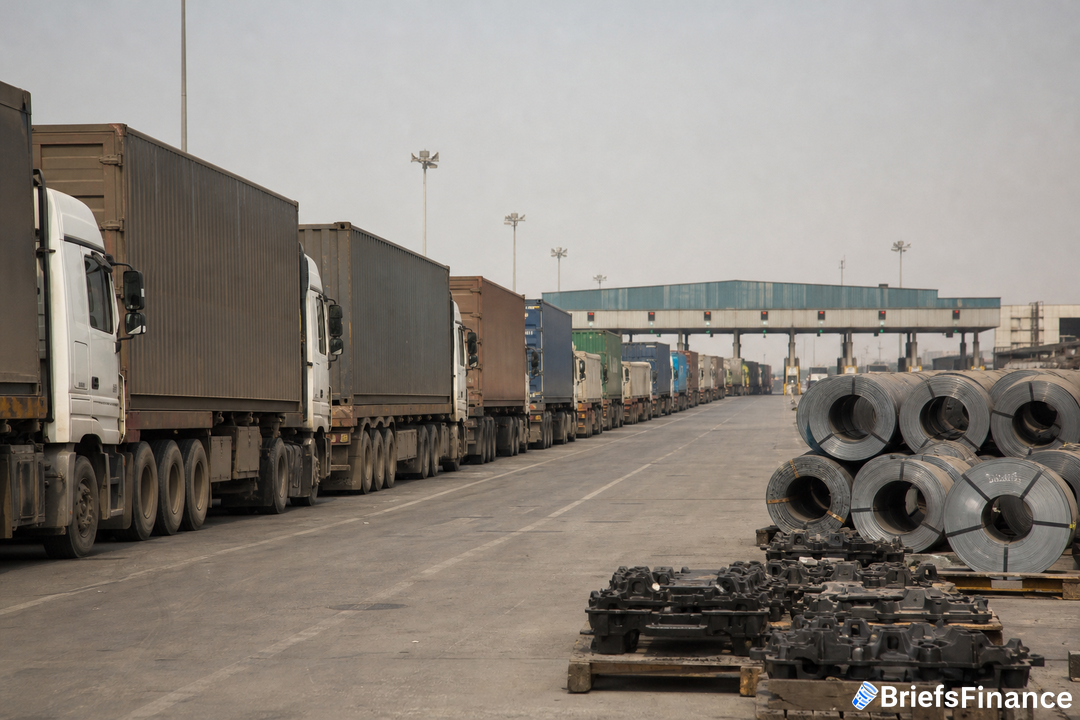
How the talks got stuck
US and Mexican negotiators have run into a stalemate over steel and aluminum tariffs, reversing earlier optimism about a quick accord. According to people familiar with the talks, momentum ebbed when US officials - among them Commerce Secretary Howard Lutnick - resisted Mexico's push to relax metals tariffs in the past few days.
A counterproposal from Lutnick did not satisfy Mexico's priorities, the people said, and US officials are now fine with punting a potential deal well past the Nov. 3 midterm elections. The White House and Commerce Department did not comment. Mexico's ambassador to the US, Roberto Lazzeri, told a Miami panel on Monday, "We're a little bit stuck on the details," and labeled "the 232 tariffs" the sticking point. The impasse was initially disclosed by the Wall Street Journal.
The tariff fight and what is at stake
One flashpoint is whether to scale back duties on derivative metals products - items made from steel and aluminum - which have grown to cover a significant share of Mexico's economy. Mexico's leadership has made clear a pact is off the table unless that area receives relief. Another dispute concerns industry specific tariff rates that, Mexican officials argue, give countries like Japan and Korea a competitive edge.
Central to the dispute are Trump-era Section 232 actions: steel and aluminum face a 50% import levy, and cars that otherwise satisfy USMCA rules but contain non US content are hit with a 25% import tax. Mexico has sought to lower the auto duty on light vehicles to 15% from 25%, according to other officials, and to cut the 50% metals rate as well, though the sides have not agreed on a new number. With more than 80% of Mexico's exports headed to the US, relief would ripple across factories and supply chains.
When global talks touch industry decisions, stay informed by signing up for the free Market Briefs newsletter for five minutes daily
The players and the politics
US Trade Representative Jamieson Greer's office led the early rounds, but Lutnick has moved to expand his influence over the negotiations and broader trade policy. He also met virtually with President Claudia Sheinbaum on Sept. 9. The pressure points mirror the breakdown in US Canada talks in August, which people familiar attributed largely to Lutnick's opposition to loosening Commerce Department-run Section 232 duties aimed at particular industries.
Mexico's Economy Minister Marcelo Ebrard, who is leading Mexico's team, pushed back on the idea that Lutnick is blocking a deal, saying late last week, "In my last conversation with him, I didn't get the impression that he was opposed to reducing those tariffs, at least as far as I know." On Tuesday, Sheinbaum said Mexico is working toward "the best possible" trade deal, adding, "We haven't reached a final agreement yet, but we've come quite a long way." Mexican officials had earlier signaled a deal seemed within reach.
Why it matters for your portfolio
A US Mexico framework would add much needed predictability for executives who have been delaying investments amid rolling talks to renew the USMCA. Watch for movement on Section 232 relief and potential changes to auto duties - those are the pressure valves that could restart capital spending and reshape earnings trajectories for autos, metals, and cross border manufacturers.
In times of policy uncertainty, a concise daily roundup helps, so subscribe to the free Market Briefs newsletter sent each morning