Frontier's Premium Pivot
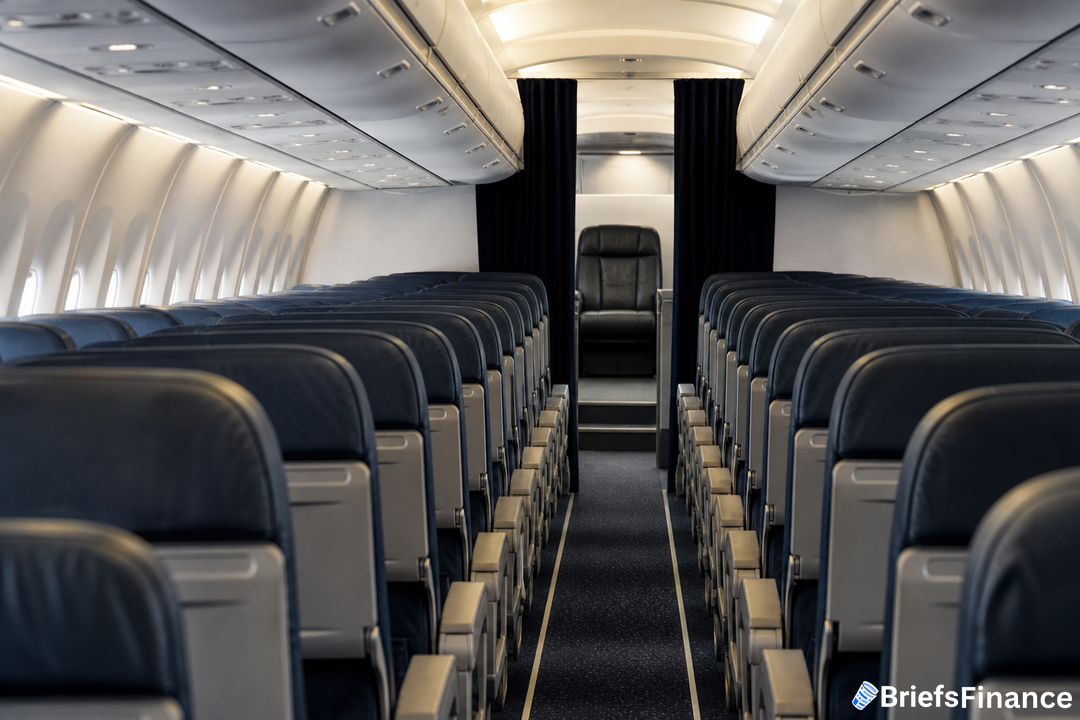
Frontier made its name on ultra-cheap fares and à la carte everything. Now its longtime architect, chairman William Augustus Franke, says a nicer seat up front is in order in the U.S. market. Frontier plans to introduce first class next year across its Airbus fleet and has joined the growing list of carriers installing SpaceX's Starlink Wi‑Fi as it works toward consistent profitability. As CEO Jimmy Dempsey put it on July 29, "We're not forecasting next year, but the airline is certainly on the right trajectory to return to sustainable profitability."
In late June, at Indigo Partners' model airplane-packed Scottsdale offices, Franke, 89, told CNBC that the goal isn't lavish luxury. "We're not trying to have a Singapore Airlines first class," he said. "What we're trying to do is give the consumer an option."
The Low-Cost Model Meets Reality
The ultra-low-cost formula Franke helped popularize has been squeezed by higher pilot pay, pricier maintenance and other operating costs, and a surge in demand for premium travel. One of the model's bedrock rules was not giving things away. Back in 2017 at the Dubai Air Show, after a record Airbus order for his airline portfolio, he compared some customers to teenagers and "spoiled brats" who expected bargain fares plus the extras without paying.
Big rivals took notes. United Airlines and Delta Air Lines added bare-bones fares with more fees, and this year they even brought revenue-boosting restrictions into first class and long-haul suites, including taking away a free seat choice for customers who pick certain options. At the same time, fuel has become pricier since the Iran war began, creating yet another obstacle for U.S. low-cost airlines.
The toll is clear. Spirit "ran out of runway," its CEO said, and after a federal court ruled in January 2024 that JetBlue's acquisition violated antitrust statutes, the carrier collapsed in May in what amounted to the largest U.S. airline collapse in decades. Frontier has posted just one profitable year since 2019, and JetBlue has not been profitable since that year. To adjust, carriers including Frontier have raised fares; federal data released Sept. 11 show August ticket prices were up more than 23% versus last year.
Frontier is not alone in testing pricier seats. Frontier isn't the only one experimenting with premium seating. Allegiant Air plans first class on its single-cabin jets, JetBlue Airways is rolling out a domestic first class, and the big three are widening their premium sections.
Franke's view is that upgrades make sense in some places but not others. In the U.S., where Delta, United and American regularly refit interiors, lower-cost airlines may need to adjust to compete. "That doesn't mean you have to do that in an emerging market like Hungary or Peru," he said.
Shifts in travel are a cue to steady your long term plan. Join Briefs Finance CEO Jaspreet Singh on September 29th for a FREE live investor workshop, How to Profit From A Dollar That's Losing its Value, where he shows how we're spotting investment opportunities as the dollar falls. Save your spot.
The Tempe Tree and the War Stories
Franke's influence runs deep. He ran Spirit Airlines until 2013, then became Frontier's chairman later that same year. He tried to merge Frontier with Spirit in 2022, but Spirit shareholders opted for JetBlue's all-cash offer instead. Beyond those transactions, his portfolio includes owning, running, or backing budget carriers spanning Chile, Hungary, and the Philippines, and he was an early investor in Ryanair.
Many of today's top airline bosses worked for him earlier in their careers, and the connective tissue runs through Tempe, Arizona, home to America West, which through mega-mergers became American Airlines. After starting in law, Franke was tapped by Arizona's governor more than 30 years ago to help rescue America West during its early 1990s bankruptcy, becoming CEO in 1993. American Airlines CEO Robert Isom, former American chief Doug Parker and United Airlines CEO Scott Kirby all count as alumni.
The lore comes with receipts. Isom said Franke is "pretty good at giving jabs," recalling their annual Stanford versus Notre Dame college football bets. "His rule was fast pay makes fast friends," Isom said, and he showed off his spoils - Chilean pesos clipped to Franke's business card and euro coins taped to a page with "PAID IN FULL" in Franke's handwriting. Kirby, for his part, said this spring's Wall Street Journal profile prompted Franke to tell him it made him "throw up in his coffee." Kirby still called him a mentor, and added he was "a hard-ass mentor." Franke countered the idea that he yelled, saying, "That's just not me."
One story underscores his timing. In the 2008 oil spike, crude climbed above $147 a barrel - exceeding $200 in today's dollars - and while Spirit was short on cash, it did have fuel hedges.
What Travelers Want Next
Franke says flyers today are savvier, armed with data and tools like artificial intelligence. Even so, "price and schedule are still at the top." As he put it, a $200 versus $125 fare will not decide it for everyone, but "for a lot of people it is still." "Middle class, younger flyers, they still focus on price."
Frontier's bet is to keep the fare hunters while offering a nicer option for those willing to pay a bit more. Franke remains a major Frontier shareholder and is still looking for the next thing. "We see startup ideas probably one a month," he said.
For your wallet, the takeaway is simple enough: if low-cost airlines mix small premium sections with à la carte fees and fares keep rising, the choice set changes. Watch how Frontier prices the new front cabin and how rivals react - because the sweet spot between comfort and cost is shifting right where you click buy.
As businesses adapt, mindful investors prioritize protecting principal and growing their money. Our CEO Jaspreet Singh is hosting a FREE live investor workshop, How to Profit From A Dollar That's Losing its Value, on September 29th. Sign up free to join him live.