What leaders are saying at New York Climate Week
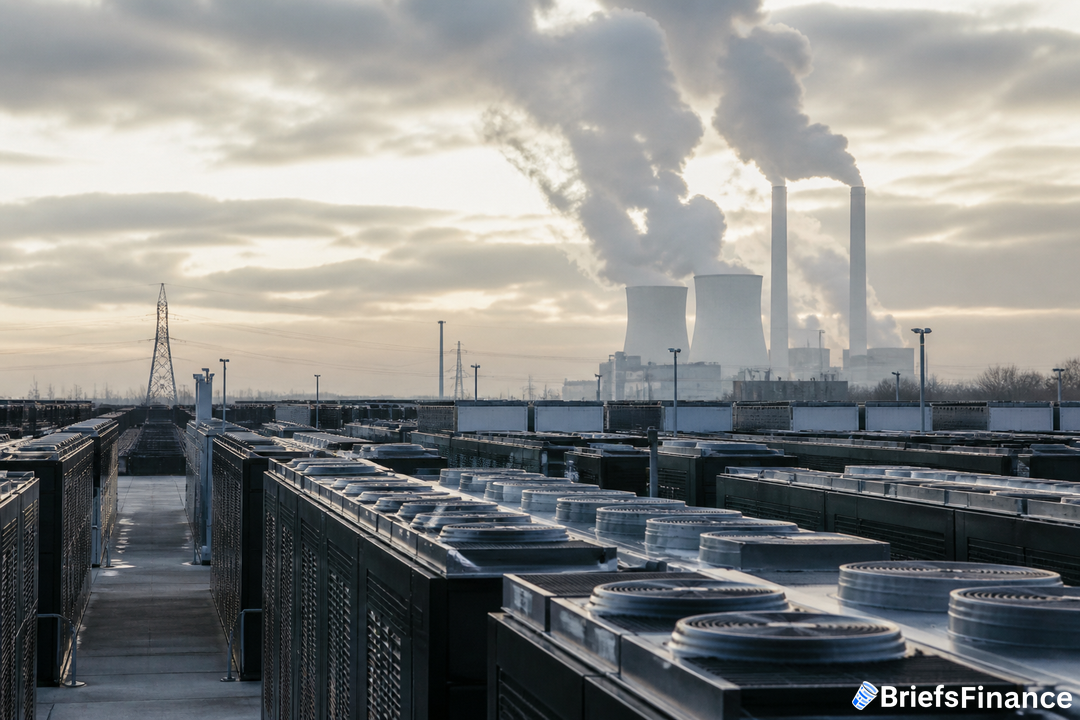
Heading into New York Climate Week, which is expected to draw more than 100,000 people, Jefferies executive Aniket Shah is urging finance to keep its focus on the biggest sources of emissions. He expects the chatter to be "all about data centers" and "all about AI," but argues that focus is misplaced. "Climate change is about 50 billion tons of greenhouse gases going to zero, and so we actually have to have a right framing of what is driving that," he said, adding that "Data center demand growth is actually not in the top five." The worry is that angst over AI data centers hogs airtime that should go to sectors like transport and heavy industry.
Al Gore shares the broader view. His firm, Generation Investment Management, just put out analysis comparing energy demand drivers, and he said it is "understandable" that AI data centers are "a huge concern" for climate watchers. He added, "I just don't think it's a cause for panic." As one example, he noted that "the emissions from uncovered landfills around the world are a large multiple of the emissions from all of the AI data centers put together."
The numbers on power and emissions
There is no definitive, agreed‑upon total for AI's greenhouse gas footprint yet. Still, the International Energy Agency estimates that even with electricity consumption expected to double by 2030, data centers will represent only about 3% of global power demand that year. The IEA also projects that by 2035, emissions linked to data centers of all kinds, not only AI facilities, will account for around 2% of the electricity sector's total.
Generation Investment Management's latest report echoes the idea that data centers are not the top driver of rising electricity use in most countries. The biggest factor is more air conditioning, with electric vehicles and heat pumps also adding sizable load. And BloombergNEF says AI's rapid buildout will strain grids and speed new capacity additions.
The tech industry's hunger for cheaper power is improving prospects for clean energy, BNEF notes, while gas is getting the "biggest boost" to meet AI‑related demand. The IEA also flags that AI‑linked load is already contributing to grid bottlenecks that need urgent fixes.
Sensible investors balance values with returns to protect and grow their savings. Join Briefs Finance CEO Jaspreet Singh on September 29th for a FREE live investor workshop, How to Profit From A Dollar That's Losing its Value, where he shows how we're spotting investment opportunities as the dollar falls. Save your spot.
Local pushback, investor worry, and how AI gets used
Communities across the US are pushing back against mega data centers, often citing energy, water, and land concerns. Analyzing Hamlet data, Bloomberg tallied opposition remarks against data centers during over 900 meetings of local governments across the country, with many comments centered on utility costs.
Investors are weighing in too. A Morningstar Inc. poll shows 25% of asset owners now consider AI's environmental impact a risk, versus 12% a year earlier.
The bigger swing factor may be what AI is used for. "Potentially the most significant impact" that companies building AI infrastructure "will have on the climate is through the way that their AI products are used," said Thomas Day of the New Climate Institute. That raises questions about "the extent to which AI companies should be responsible for who they provide their services to, and what they are used for," tying into the wider debate over "enabled emissions."
The grid is the choke point, and money is lining up
Celine Herweijer, HSBC's former chief sustainability officer and now a visiting professor at the London School of Economics, says electricity is becoming "the binding constraint." That is "why AI matters so much," she said, because "the power system we build for AI will affect everything else we plug into it."
JPMorgan Chase is zeroing in on the same pinch point. The bank expects to talk about the grid "every day of New York Climate Week and every chance that we get," said Heather Zichal, its global head of sustainability. She called grid modernization "the single biggest unlock for everything else: it helps national security, it helps energy affordability, and it helps speed to power." Last year, the firm rolled out a $1.5 trillion initiative on security and resiliency, designed largely to bolster American infrastructure, and it sees "significant investment opportunities in capital market activity in a range of new technologies from carbon removal to nuclear to energy storage, geothermal, et cetera." New York Climate Week is a venue to surface those opportunities, she said, which is "why we're showing up in force."
What this boils down to for your wallet: the story is shifting from how much electricity AI uses to where that electricity comes from and how fast the grid can adapt. The IEA's 3% and 2% guideposts frame data centers within the broader energy system, while local resistance, investor caution, and grid warnings highlight where costs and opportunities could show up next.
Keeping a steady focus on long term goals helps money weather changing headlines. Our CEO Jaspreet Singh is hosting a FREE live investor workshop, How to Profit From A Dollar That's Losing its Value, on September 29th. Sign up free to join him live.