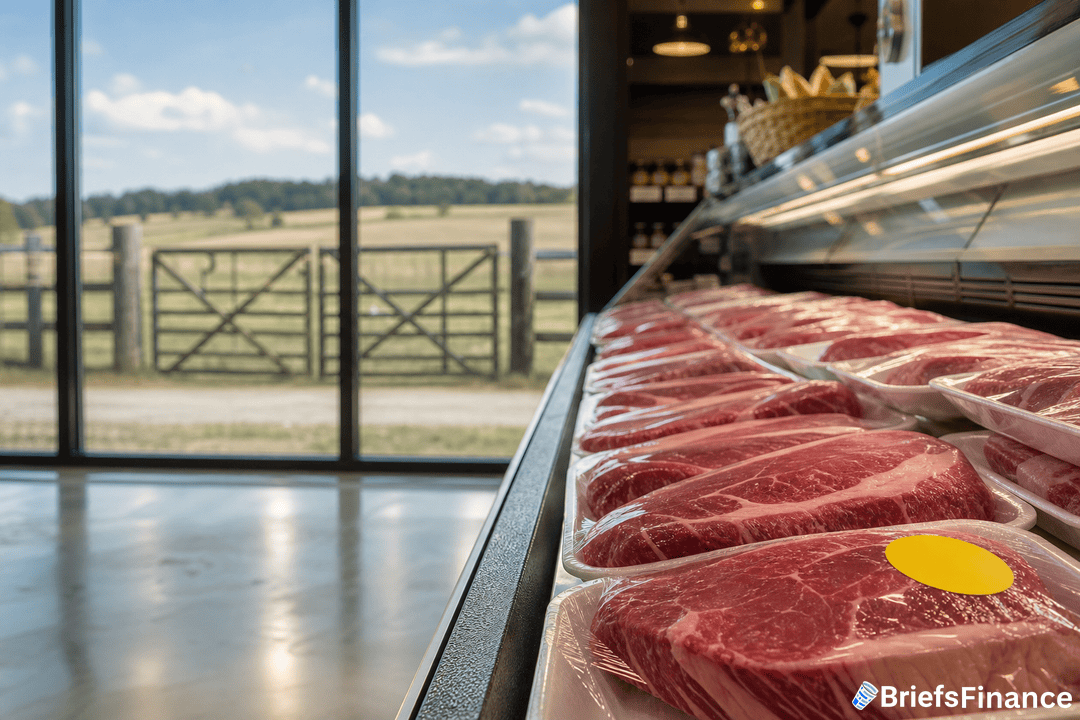
President Trump announced a deal on August 21, 2026, that he says will cut the price of ground beef for American families. From that date, the government will permit 300,000 metric tons of ground beef to be shipped in tariff-free for 90 days, contingent on exporters offering a 25% price reduction. In return, the suppliers have promised to price the beef 25% lower than the prevailing market rate.
In a social media post, Trump announced the deal, stating that the imported beef would be priced 25% under current market levels. "I concluded a deal to substantially lower the price of ground beef for working American families," he wrote.
The move directly targets grocery costs, which remain a sore spot for household budgets. Ground beef is a staple protein for millions of families, and any price cut at the meat counter gets noticed fast.
Rancher Backlash
Cattle producers are not cheering the news. Immediate criticism came from cattle ranchers and representatives in agricultural areas, risking the alienation of important voters before the midterms and underscoring the challenge Trump has in responding to public frustration over costs.
As grocery bills fall, grab the free Always Be Buying E-Book to build wealth on any income
This import action, representing roughly 2% of the nation's yearly beef usage of about 13 million tons, is the latest White House effort to reduce the cost of beef. That sounds small, but ranchers say the timing is terrible. Doubts about drought, rising expenses, and other inputs have made ranchers reluctant to grow their herds. Markets took the news hard, with live cattle futures dropping as much as 2.4% to their lowest level since last November.
The National Cattlemen's Beef Association said "Today's announcement and other market interventions throw cold water on the prospect of herd expansion and sacrifices long-term stability for short-term messaging." Bill Bullard, CEO of the rancher group R-CALF USA, said the policy "undermines the producer confidence necessary to rebuild the cattle herd" and sends "exactly the wrong signal."
Some Republican lawmakers from cattle country are also pushing back. Senator Tim Sheehy of Montana said the move would "harm our ranching families who feed the nation," while Senator Deb Fischer of Nebraska voiced opposition as well. They argue that the real fix for high beef prices is a bigger domestic herd, not cheaper imports.
Market Response
The market response shows how much is at stake. Shares of Brazilian meat packers MBRF and JBS jumped to multi-month intraday highs, while Tyson Foods barely moved. That split tells the story: foreign producers gain, American ranchers worry.
Consumer Impact
The stated goal is simple. An anonymous White House official said the president plans to issue an executive order in the coming fortnight to relax the tariffs. Under the arrangement, foreign exporters agreed to provide a 25% discount in exchange for tariff relief, and the beef is supposed to sell at 25% below current market prices.
But there's another layer here. The U.S. is also set to resume Mexican cattle imports through an Arizona port, which could bring in more than a million head annually. That pending change, combined with this tariff break, suggests more foreign supply is on the way.
So what does this actually mean for your grocery cart? Ground beef prices could ease over the next three months if the imported product shows up at stores as promised. The big question is whether those savings stick around after the 90-day window closes, or whether the plan backfires by discouraging U.S. ranchers from expanding their herds. For now, the deal offers a possible break at the meat counter, but it comes with real consequences for the people raising cattle in this country.
While ranchers push back, discover what the Always Be Buying E-Book teaches about steady investing