What Huawei showed and why it matters
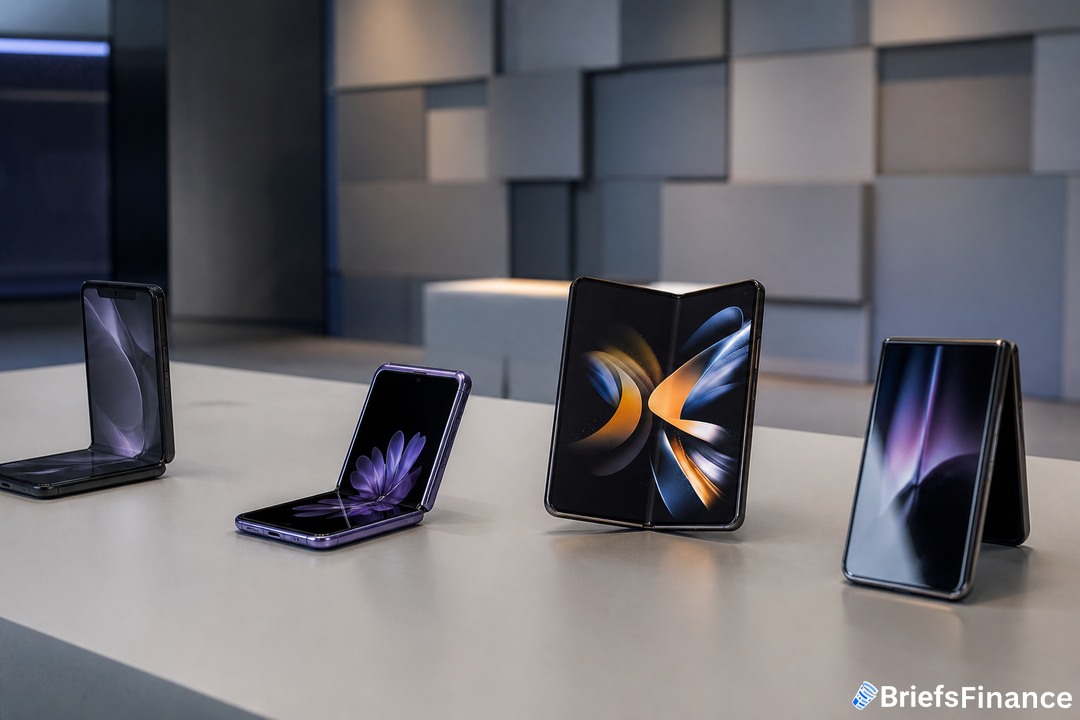
Huawei rolled out the Mate XT 2 on Monday, a high‑end trifold with two separate hinges. It replaces the Mate XT from two years ago and works like a standard phone that opens into a 10.2‑inch tablet. The new version climbs to 19,999 yuan, with consumer chief Richard Yu linking part of that bump to tougher memory procurement. As a result, the entry model includes 16GB RAM paired with 256GB of storage - a comparatively lean setup for a flagship.
Sales in China start Saturday.
Chips, cooling and Huawei's new design bet
This model debuts Huawei's LogicFolding chip design playbook, using the Kirin 9050 Pro as the first processor created under that approach. Earlier this year, semiconductor chief He Tingbo introduced the alternative path for crafting advanced chips, meant to navigate US‑led curbs that block access to cutting‑edge lithography tools.
Ahead of the phone launch, He published a paper pushing back on overheating worries and said the new chip sharply cuts power use. "The chip was cooler than its predecessor while comprising 55% more transistors per square millimeter and delivering as much as 66% power reduction on some key tasks," He wrote.
Xiaomi's move and Apple's looming entry
Later in the evening, Xiaomi's 18 Fold is poised to be another stride by a Chinese maker toward deeper self‑reliance. The device is set to use memory from domestic supplier CXMT Corp. and Xiaomi's self‑developed Xring O3 processor. Its passport‑style form factor echoes how Apple's first foldable iPhone is anticipated to look, a device expected to carry a price above $2,000.
Moves from two of China's biggest brands highlight both the risk and the opening created by Apple entering a niche but high‑priced slice of the market. These devices have been on sale for years from Chinese makers and from Samsung Electronics Co., identified as the global shipments leader overall. In China specifically, foldables have held up as a bright spot even as the broader phone market has sagged.
Understanding what moved a market beats knowing that it moved. Get the free Market Briefs daily newsletter and follow the drivers.
The wider market and what to watch for your wallet
Counterpoint projects the industry is headed for its biggest yearly decline ever this year, with shipments likely to fall 14%. Chinese vendors have been among the most exposed because they lean heavily on budget phones that struggle to absorb pricier components. To offset that pressure and lift average selling prices, many brands are leaning hard into premium lines like foldables.
Company scorecards reflect the strain. Xiaomi's profit has fallen for three straight quarters as it pulled back shipments of money‑losing low‑end models. Huawei, despite growing shipments, reported a first‑half profit decline partly tied to stockpiling components to counter rising memory costs. Earlier this month, Huawei joined Xiaomi and Honor Device Co. in raising prices, according to Jiemian.
Analyst Ivan Lam at Counterpoint said, "Apple has the world's biggest premium device installed base. Its foldable will sell well and rapidly grab market share." He expects that launch to nudge more consumers toward the format and lift demand for rival devices too. Timing helps: landing products a couple of days before Apple's Wednesday event gives these brands a short window to hog the spotlight. And projections from Smart Analytics Global put Apple at roughly one quarter of foldables this year and in first place with a 41% share next year.
Bottom line for everyday buyers: Chinese brands are steering toward higher‑margin foldables as parts get pricier, and a premium‑priced Apple foldable could shift attention in a hurry. If you follow phone makers or the suppliers behind them, watch how quickly shoppers trade up and whether those higher prices actually stick.