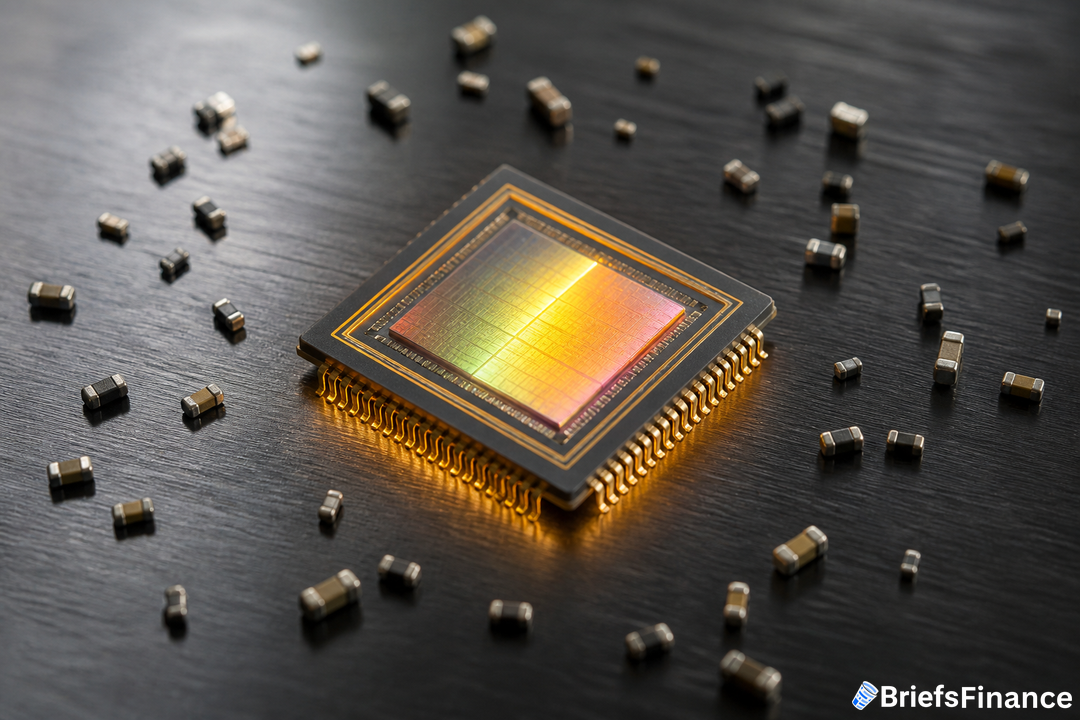
For a long time, Xiaomi sourced its phone processors from Qualcomm and MediaTek, as most smartphone makers do. This setup has functioned well, yet it makes Xiaomi reliant on outside vendors.
The Xring O3 alters the equation. The chip is built for two things Xiaomi cares about a lot: image processing and on-device AI. Translation: better photos and smarter features that run right on the phone, without sending data to a cloud server.
The move is a major step for a company known for offering high-spec devices at low prices. Its product lineup includes a $50,000 electric vehicle and a $500 smartphone, showing its ambition to compete across multiple tech sectors. The Xring O3 is manufactured by a leading foundry that also produces chips for Apple and Nvidia.
Founder Lei Jun announced the chip on WeChat, and Reuters confirmed the production details. This partnership gives Xiaomi access to cutting-edge manufacturing without building its own fabs. The chip's success could reshape Xiaomi's image from a budget brand to a tech innovator.
The 3-nanometer process is more advanced than what other phone makers currently use, and it's competitive with Apple's latest chips. For a company that has been known as a value brand, this is a serious upgrade in technical credibility.
The Catch
The catch: Here is the story where it gets complicated.
A few minutes a day is enough to stay genuinely informed about your money. Join Market Briefs free and start tomorrow.
Analysts point out that competitors are already moving to 2nm chips. Xiaomi is staying at 3nm, betting instead on smarter architecture and features like faster memory. That is a reasonable strategy, but it is also a sign of limits.
The bigger issue is scale. Making a cutting-edge chip is expensive, and Xiaomi's production volume is limited. The result, analysts say, is that Xiaomi will still depend on Qualcomm and MediaTek for most of its volume.
The Xring O3 is a statement, not a full break. The company will need to invest heavily in R&D and production capacity to make a real dent.
The Xring O3's 3-nanometer node is a major technical advance, roughly on par with the manufacturing process behind Apple Inc.'s latest A19 Pro chips and surpassing the in-house designs of domestic rival Huawei Technologies Co. Smaller transistors typically mean faster performance and better energy efficiency. For Xiaomi, this could differentiate its premium phones in a crowded market.
What It Means for Investors
What this means for your money: For investors, the chip launch is less about the chip itself and more about what it signals.
Xiaomi is trying to control more of its own destiny. A phone maker with its own processor has more bargaining power with suppliers and more room to build features that competitors cannot easily copy. That is the kind of thing that can protect profit margins over the long run.
But it is also a reminder that Xiaomi is juggling a lot. Phones, electric cars, and now semiconductors. Each business is capital-hungry, and the company is betting it can win in all three at once.
The Xring O3 will likely appear in a handful of premium phones first. If those phones sell well and the chip performs, expect Xiaomi to push further. If not, it will keep buying from Qualcomm like everyone else.
Either way, the company just told the world it does not want to be a follower forever. For a brand that built its name on offering good specs at low prices, that is a meaningful shift. Whether it pays off is a question the market will answer over the next few quarters.
Rates, prices and policy all end up in your budget eventually. Get the free Market Briefs daily newsletter and see it coming.