Free NewsletterPro Login

Cruise lines pile into luxe suites as high-end travel sails ahead

Published Oct 22, 2026
Share:
Summary:
  • Regent's Seven Seas Splendor, an all-luxury ship, prices cabins from $1,800 up to $15,000 per night, with the Regent Suite as the top-of-the-line booking packing ultra-premium perks.
  • CLIA forecasts the luxury fleet to expand from 104 ships in 2026 to no fewer than 130 by 2036, and anticipates global cruise patron counts to increase about 11% from 2025 to 2028.
  • The premium trend spans travel: United introduced roomier Polaris Studio suites, Marriott's luxury RevPAR in the U.S. and Canada climbed 9.1% in Q2, and casinos are courting top-end spend even as results vary.

Cruise operators chase bigger tickets with smaller ships

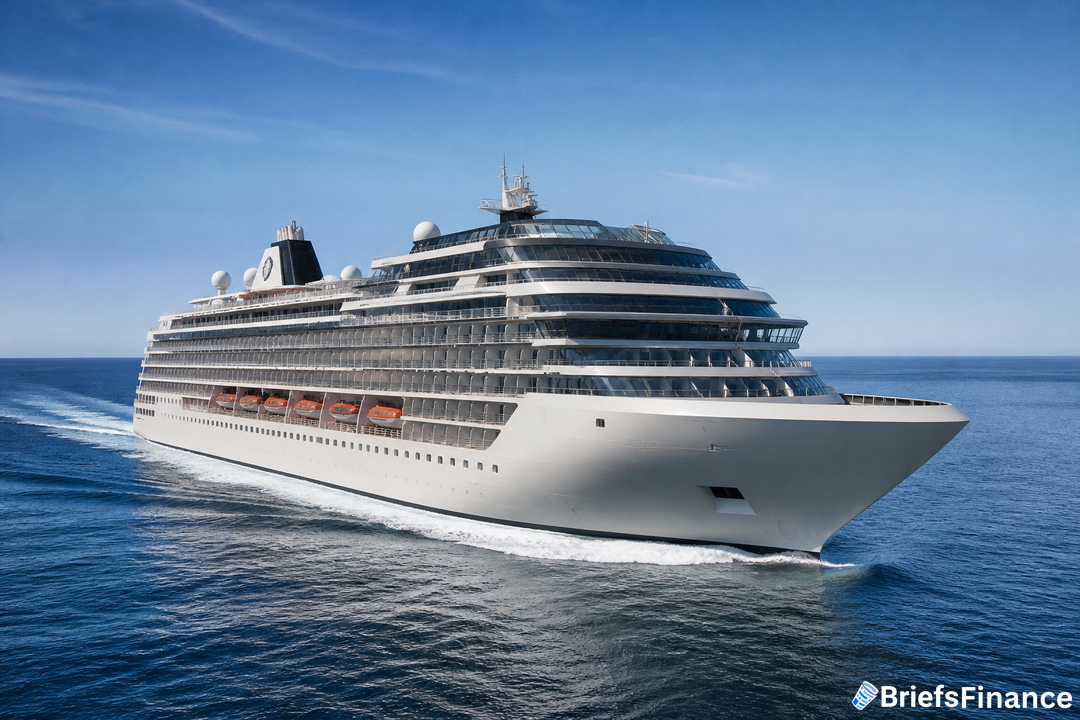
Cruise lines are leaning into space and service at the top end. On Regent's Seven Seas Splendor, cabins run $1,800 to $15,000 a night, with the Regent Suite as the top-of-the-line booking, and it's not just about square footage. Amenities span a Steinway piano, an exclusive dining space, plus a wraparound terrace featuring a hot tub, with sightlines the company says rival those from the bridge.

Demand looks durable. Regent said multiple passengers wanted that suite for the Splendor's 151 night global cruise that embarks in January, and the company notes the room is booked nearly all the time.

Regent is aiming even higher next.

Smaller luxury vessels, bigger profit focus

Giant vessels outfitted with surfing simulators and waterslides can hold over 7,500 travelers, but the smaller, elite vessels - some with fewer than 1,000 guests - are helping drive profits at companies like Norwegian Cruise Line Holdings. Norwegian owns luxury brands Regent and Oceania.

CEO John Chidsey said his priorities include refining how those brands are positioned, elevating their offerings and the guest experience, and boosting commercial results. He added that Regent and Oceania look well positioned for 2027, though he did not provide brand-level metrics.

Competition is heating up. Regent faces established rivals such as Royal Caribbean's Silversea and Carnival's Seabourn, while hotel names like Four Seasons, Aman and Orient Express are moving into yacht style cruising.

The order book tilts upscale

According to the Cruise Lines International Association, the luxury fleet is expected to expand from 104 ships in 2026 to no fewer than 130 by 2036. CLIA further projects that global cruise passengers will climb by roughly 11% from 2025 to 2028.

When markets and options feel overwhelming, stay grounded with our free Market Briefs newsletter that explains the essentials.

Investment is following that trend. From 2020 through 2025, CLIA tallies a 71% rise in luxury-ship totals and an 84% uptick in berths. Orders on the books suggest a further 26% expansion in the fleet by the end of 2029, together with a 32% rise in overall capacity, as funding increasingly targets luxury and expedition brands and the project pipeline over the next decade leans toward smaller ships with fewer berths.

Luxury spreads across travel - with some warning lights

The upscale wave is industry wide. United Airlines this year introduced larger Polaris Studio suites featuring doors for added privacy and offering caviar service. Marriott's second quarter showed luxury revenue per available room in the U.S. and Canada up 9.1% year over year, versus 5% across all hotels in the region, and CEO Anthony Capuano said in June there is an "almost insatiable appetite" for luxury travel. Wynn Resorts has kept Las Vegas room rates high even as visitation slowed over the past year.

Premium does not guarantee profits. The Ritz Carlton Yacht Collection has struggled with occupancy despite sizable marketing and, according to the Financial Times, is carrying almost $700 million in losses since 2017. Las Vegas Sands fell short on revenue and profit expectations, pressured by high-end segments in Macao and Singapore. "When the customers don't show up, it's a little problematic," CEO Patrick Dumont said during the company's earnings call.

What it means for your portfolio

In plain English: travel companies are building more high margin, low density products and writing checks to back it up. The near term results are mixed, but the capital plans are clear - new luxury ship classes, pricier seats in the air, and hotel brands chasing high spend travelers.

The bottom line: luxury capacity is expanding, which can lift revenue per guest when demand holds but can bite when occupancy slips. For investors tracking travel, watch who prioritizes smaller ships, premium cabins and distinct experiences, and how that shows up in pricing power and load factors over the next cycle.

As news and choices multiply, get a clear daily snapshot from the free Market Briefs to stay informed each morning.

Disclosure

Recent News

1 2 3 … 108

Get Market Briefs delivered to your inbox every morning for free!

No fluff. No noise. No politics. Just finance news you can read in 5 minutes.

Blogs

October 16, 2026
How Boring Math Makes You Rich: The Briefs Money Spreadsheet, Explained
  • Briefs Money shows you what to do with every paycheck, and in what order: how much to spend, save, and invest, when to build an emergency fund, and which debt to pay off first.
  • The Climb to Wealth course walks you through the system step by step, and the Personal Finance Spreadsheet is where you track your own numbers.
  • Investing is one piece of building wealth. The system that gets money to your investments, and keeps it there, decides the outcome.
Read More
October 16, 2026
Common Investing Mistakes: Why a Stock Grade Is One Tool, Not the Whole Toolkit
  • The Briefs Score shows growth, income, and wealth preservation investors how well a stock fits their goal, with a separate letter grade for each one.
  • The most common mistake is treating the letter as an instruction. An A tells you a stock scores well for one goal, not that you should buy today.
  • Research works best as one input in a process you own. The grade shows how a stock stacks up. You supply the goal, the timeline, and the rules for being wrong.
Read More
October 16, 2026
How to Read a Company's Numbers Without a Finance Degree (Using Briefs Terminal)
  • Briefs Terminal lets you size up any public company in about ten minutes: what the stock costs, what it earns, how fast sales are growing, and what it pays you, all on one page.
  • It lines those numbers up against the company's closest competitors for you, so you can tell if a number is impressive or just average.
  • Below that are the income statement, balance sheet, and cash flow statement from the company's SEC filings, the latest news, and transcripts of its earnings calls.
Read More
October 16, 2026
What Type of Investor Am I? The Three Investor Archetypes, Explained
  • Briefs sorts its stock grades and monthly reports by three investor goals: growth, income, and wealth preservation. Pick yours and you know which report and which grade to read first.
  • Growth investors want stocks that beat the S&P 500. Income investors want to get paid in cash. Wealth preservation investors want stocks that hold up when the market drops.
  • The same stock can score an A- for one goal and a D- for another, so picking your goal comes before picking any stock.
Read More
October 16, 2026
How to Build a Stock Watchlist That Isn't Just Stocks You Heard About
  • A watchlist on Briefs Terminal lets you group stocks by the idea you're tracking and follow each one's price, one-day move, and 52-week high and low in one place.
  • Each list has its own name and description, so you always know why a stock is on it, and you can make as many lists as you have ideas.
  • The monthly growth, income, and wealth preservation reports under the Briefs Research tab hand you new themes to track that you didn't hear about online.
Read More
October 16, 2026
How to Choose an ETF That Matches Your Idea (Using the ETF Planning Tool)
  • The ETF planning tool takes an idea like "I want to invest in fast food companies," asks what you mean, and finds the ETFs that match, with the reasons, the holdings, and the sources.
  • Build a Plan then shows what your money could grow to in those ETFs over the years you choose, with conservative, expected, and optimistic estimates next to the S&P 500.
  • It gets you from an idea to an actual plan without researching dozens of companies one at a time.
Read More
October 16, 2026
Is This Stock a Good Buy? How to Use the Briefs Score to Tell If a Stock Fits the Way You Invest
  • The Briefs Score shows growth, income, and wealth preservation investors how well a stock fits their goal, with a separate letter grade for each one.
  • One stock can score very differently for each. Nvidia showed an A- for growth and a D- for income, because it grows fast and pays almost no dividend.
  • Seven sub scores under each grade show what earned the letter, so you can see exactly where a stock is strong or weak for your goal.
Read More
October 16, 2026
How to Tell an Asset From a Liability: The One Question to Ask Before You Buy Anything
  • The typical American household earned more in 2025 than in any year on record, yet only 30% of Americans say they could pay a surprise $1,000 bill from savings, so the problem isn't income but what the income gets spent on.
  • An asset puts money in your pocket and a liability takes money out, and the wealthy buy assets first, then let the assets pay for the fun stuff.
  • Before you buy anything, ask one question: does this put money in my pocket, or take money out of my pocket? Then you need a plan for the money you keep.
Read More
October 16, 2026
How to Build Your First $2,000 Emergency Fund and Wipe Out Every Debt Over 10%
  • Your first money goal isn't investing, it's $2,000 in its own account named Do Not Touch, built by moving 10% of every paycheck into it automatically.
  • More than a third of American adults couldn't cover a $400 surprise bill with cash or savings, according to the Federal Reserve, and that's how one bad day turns into years of credit card payments.
  • Once the $2,000 is there, attack every debt charging more than 10% interest, highest rate first, because you can't out-invest a 22% credit card so paying it off is the investment.
Read More
October 16, 2026
How to Invest Through a Crash: 3 Rules From the Worst-Timed Investor Alive
  • Meet Bunty, a fictional investor with the worst timing in history: he put $100,000 into the market in four chunks right before four crashes, never sold, and by 2025 it had grown to more than $500,000.
  • Investors who jump in and out of the market miss its best days, and missing just a handful of those days can cut your final result roughly in half.
  • The fix is ABB, Always Be Buying: you buy on a schedule through booms, crashes and scary headlines, which matches the market, and beating it takes knowing where the money is moving first.
Read More
1 2 3 … 29
Share via
Copy link










