Why Fanatics built this tool
Fanatics runs a sprawling catalog of more than 1.5 million unique SKUs at any given time across hundreds of sites, covering categories that span jerseys and hats, along with team-branded streetwear and even socks. According to Justin Tsai, who serves as chief product officer for Fanatics Commerce, that scale made browsing hard: shoppers were trying to navigate "our very large catalog to figure out what they can buy."
Average sessions often stretched beyond 30 minutes, he said, and kept lengthening as the company added upwards of a thousand new products every week. Old-school curation like photo shoots could not keep up with that release pace or lightning-fast items such as championship shirts and hats. And mismatched suggestions alienate fans. As Tsai put it, "Nobody who is a Los Angeles Dodgers fan wants to be matched with a San Francisco Giants item … team and player alignment is extremely important in our world."
How the tech works
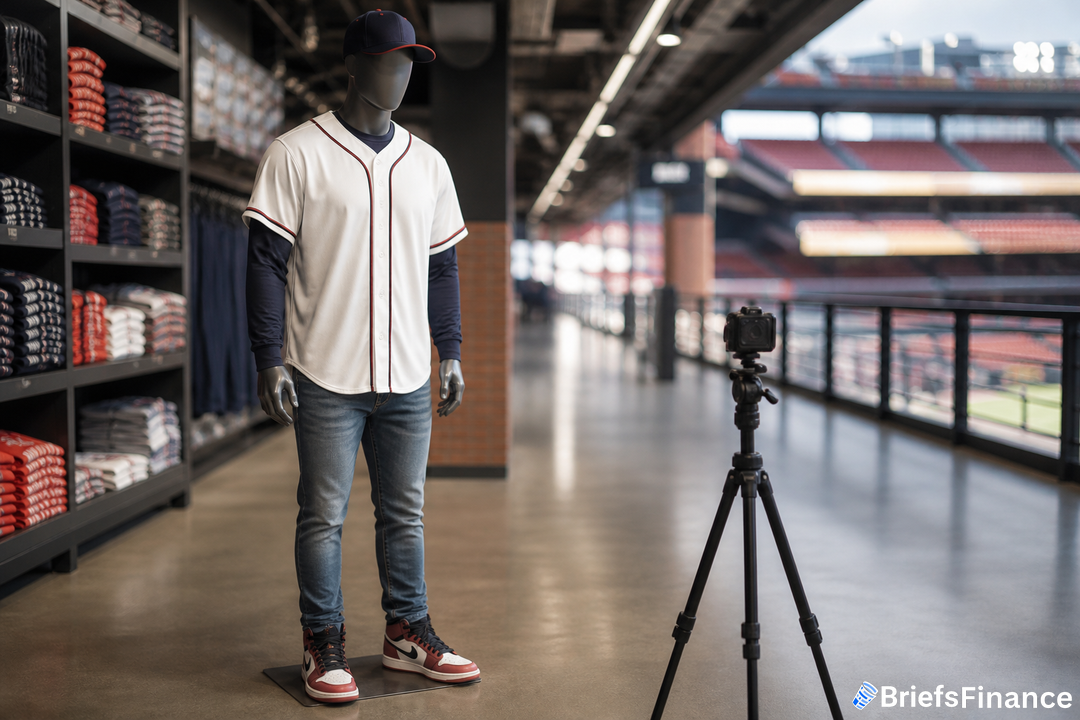
Built with OpenAI's Codex, "Shop the Look" analyzes product and catalog data to spot items that go together and reevaluates recommendations accordingly. On a jersey page, it can assemble a look by suggesting a hat, socks, and other accessories from available inventory that match the team and intended style.
OpenAI has been testing shopping features in ChatGPT since launch. A tool introduced last fall let users buy merchants' products directly in the chatbot, but the company is ending its Instant Checkout effort and, per CNBC reporting, is partnering with retailers to create dedicated applications inside ChatGPT. Rosemary DeAragon, OpenAI's head of industry GTM, called retail personalization "an age-old problem" and said AI enables more deterministic matching after years of stitching together signals like past purchases, location, and logged-in data.
When new technology and products reshape what people watch and buy, sign up for the free Market Briefs to stay informed each morning
What this means for your shopping and your portfolio
Tsai said the rollout lifted views of recommended items by 10%, adding that seeing how pieces fit together gives shoppers "more conviction" about what they are considering. DeAragon said AI's role here shows a "really big opportunity to enhance the existing experience" by narrowing huge product selections and helping justify bigger-ticket buys like authentic jerseys.
Team merchandise still drives Fanatics' top line. Earlier this month on CNBC's "Squawk Box," CEO Michael Rubin said commerce revenue is set to top $7 billion this year, compared with about $5.5 billion from collectibles, which includes Topps trading cards. With Fanatics Commerce manufacturing more than 45 million items a year and selling in more than 180 countries, even incremental gains in discovery and add-ons can matter for conversion across a catalog that grows by thousands of items and spans 1.5 million SKUs.
Because clarity matters in a crowded market landscape, get the free Market Briefs newsletter that explains key developments in minutes