What Trump signaled
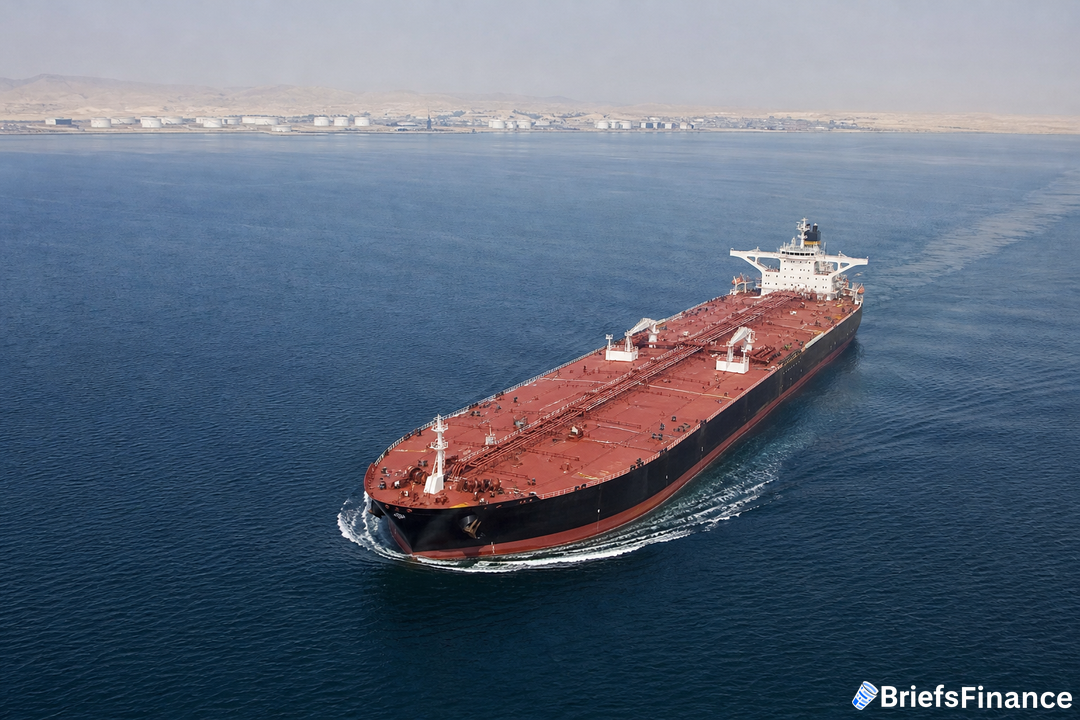
Trump reiterated his claim that Washington holds sway over the Strait of Hormuz, citing crude shipments he said are back to prewar volumes. Tehran officials said they are preparing to answer any U.S. strikes with military action.
Shipping lanes, prices and security risks
Despite Trump's claim, both Washington and Tehran have repeatedly asserted control over the Strait of Hormuz, while overall trade through the waterway remains sharply reduced, pushing up consumer prices. Energy prices are still elevated amid ongoing disruption and a tight global refining backdrop.
The security picture is volatile. Earlier this month, a container vessel flying Singapore's flag went down in the strait after it was struck by an unidentified projectile and then caught fire. Earlier this month, Ali Ozmaei - the head of the Iran Revolutionary Guard navy - said Tehran is "counting the moments" until it can sink American warships.
When global events feel uncertain, staying informed helps you make calm decisions, so sign up for the free Market Briefs
Regional diplomacy heats up
Reuters reported that Qatari mediators were in Tehran on Sunday, while Houthi attacks on Saudi Arabia persisted through the weekend. On Monday, top officials representing Saudi Arabia, Turkey and Pakistan are due to convene with Iran's leadership in Tehran. The trio signed the Makkah Joint Defence Agreement in August, committing to deeper defense coordination and declaring that an armed strike on one would be treated as an attack on all.
This will be their first meeting since Houthi missiles and drones struck sites throughout Saudi Arabia - among them Riyadh airport and a Saudi Aramco administrative building. Last week, Saudi Arabia pushed back its flagship Future Investment Initiative conference to 2027, citing security worries following a series of deadly strikes.
What this means for your portfolio
In plain English: the risk premium on the Gulf is back. Trade through a critical chokepoint is constrained, a container ship just went down, and both sides claim control of the same waterway. Energy prices are already elevated, and the squeeze on trade is filtering into consumer costs. If your portfolio leans on oil, shipping or regional exposure, factor in that the path of escalation or de-escalation - from talks in Tehran to what Trump decides - will set the tone for volatility ahead.
In a world where headlines change quickly, get concise context every morning by subscribing to the free Market Briefs newsletter