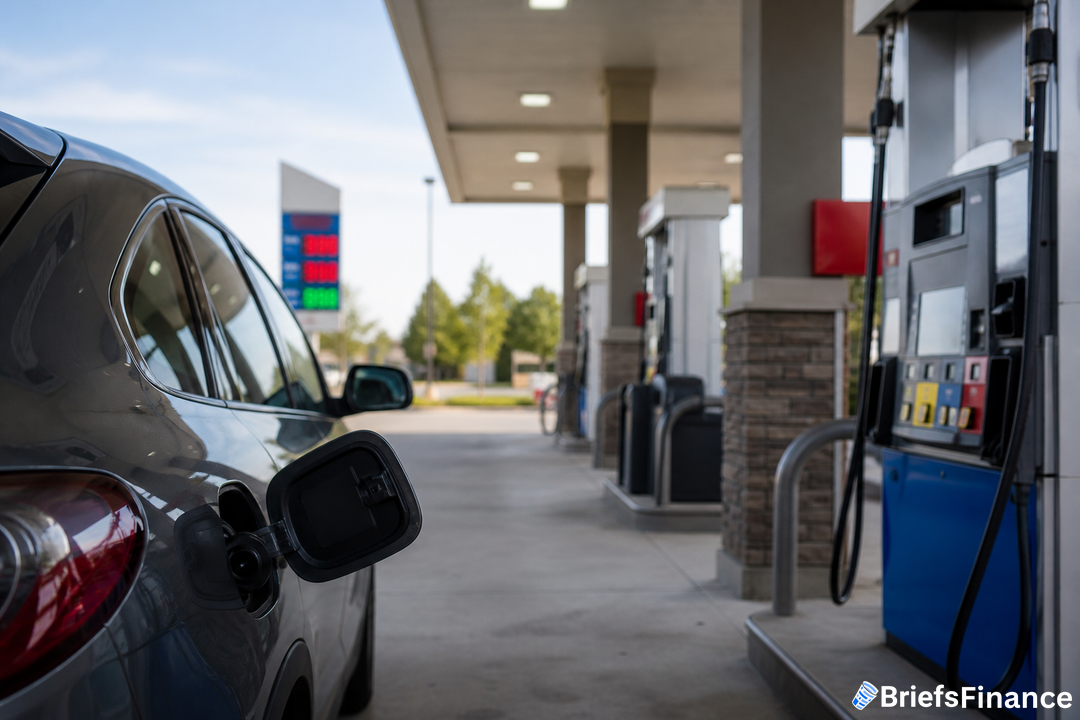
What happened to pump prices
Trump campaigned on sub-$2 gasoline. Nearly two years into his term, AAA pegs the running average price at $3.472 a gallon. That is fractionally higher than the $3.471 a gallon average recorded during Joe Biden's presidency, a difference of less than one cent using AAA's latest daily figures.
Fuel prices surged after the US and Israel's war in Iran began, as the conflict curtailed oil supply and squeezed refining capacity across the globe. Over the last eight months, gasoline is up 43% on average at US pumps, while diesel has climbed almost 70% and set a new record. As of Sunday, AAA's national gasoline average stood at $4.286 a gallon. Biden still holds the all-time high for the nationwide pump price at $5.02 in June 2022, in the aftermath of Russia's invasion of Ukraine.
Diesel, capacity constraints, and policy moves
The squeeze is not just about demand. Susan Bell, senior vice president for downstream at Rystad Energy, said the market is short by roughly 400,000 barrels per day of gasoline that would typically ship from the Middle East.
The Trump administration has tried to blunt supply shocks tied to the Iran conflict, including a diesel arrangement with Russia and, on Thursday, invoking wartime powers to lift domestic output. The Department of Energy followed on Friday with $150 million reserved for refinery investments. Even so, refiners see limited near-term relief. Valero Energy's COO Gary Simmons said Russian diesel volumes are not a "significant volume," and CEO Lane Riggs cautioned that restarting shuttered plants is slow: "Almost any refinery that's been shut down will take a while to start up, so it would be very difficult for them to help the prompt situation." He added, "The idea that there's these refineries that you can sort of walk in and flip the lights and they're going to start running is not exactly the case."
When prices and politics intersect, staying informed matters, so sign up for our FREE daily Market Briefs to get clear updates
Why the politics matter
Fuel costs have become a centerpiece issue for Republicans heading into the midterms, with this year's rapid increases feeding broader cost-of-living strains. Critics also point to a broken promise from Trump, who attacked Biden over high pump prices during the 2024 race. Trump has said gasoline and diesel will recede once the Iran war ends, but the conflict shows no sign of easing. At a weekend rally, he lauded how US oil companies have added "hundreds of billions of dollars" for the country and said, "'President Trump is talking about all the money they're making while people are suffering at the pump, that'll be the headline,'" followed by, "I don't give a damn. I'm going to say it, we're making a freaking fortune."
High energy bills are also scrambling the map. Kansas, Iowa, Ohio, Texas and Alaska - states Trump won by double digits in 2024 - are rated Senate toss-ups by the Cook Political Report. Households in all but Texas spend a larger share of income on energy than the national average, according to James West of Melius Research.
Ryan Cummings of Stanford's Institute for Economic Policy Research, a former Council of Economic Advisers staff economist, said voters will probably compare current prices with pre-pandemic levels that were under $3 a gallon. "Really, what they're comparing against is a $1.50 difference," he said.
The market takeaway
In plain English: supply is tight, policy moves are incremental, and prices remain elevated late in the year. Average diesel under Trump is already about 6% higher than the Biden-era average, and gasoline has set a new late-season high at $4.286. For your portfolio, that keeps energy producers on strong footing, pressures transport and consumer margins, and adds another layer of election risk to watch.
Markets touch everyday life, so simplify your morning with the free Market Briefs newsletter that explains key developments