Why banks are rechecking loans now
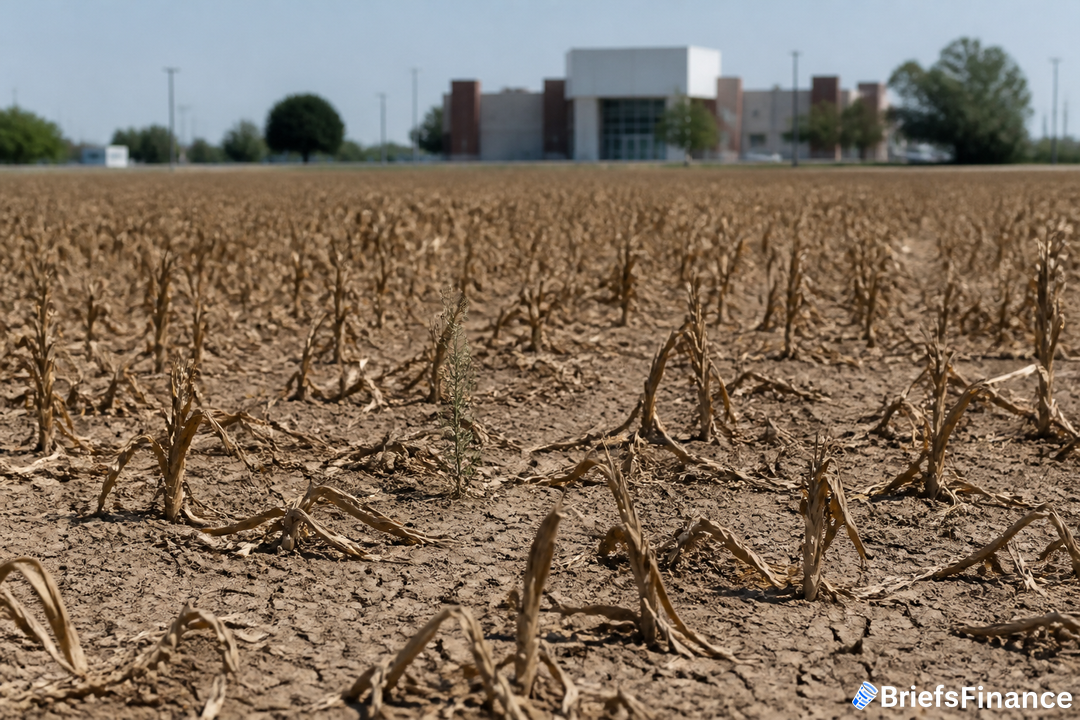
A strengthening super El Niño in the tropical Pacific is already translating into droughts and floods that hit harvests, which shows up as credit risk for lenders. Money managers warn this cycle can squeeze commodity supplies, push inflation higher and widen trade gaps, raising the odds of stress that spills across portfolios.
EU rules add urgency. According to Grace Osborne of Bloomberg Intelligence, who covers sustainable finance, evolving Pillar 3 disclosure demands are pressing European banks to spell out these risks. She also sees a greater likelihood of banks turning to "agricultural loan repayment holidays following severe climate events, given the insurance protection gap in European agriculture."
Research teams at JPMorgan Chase and Citigroup have linked El Niño to vulnerabilities in agriculture, commodities and energy, as well as the wider economy. Sebastian Werner, who leads climate risk scenario design at Citi, said the widely watched Oceanic Niño Index does not "capture all aspects" of the cycle, complicating risk models.
What big banks are doing
BBVA has asked its in-country risk groups to comb through loan books, reflecting its footprint in Iberia and its sizable client base in Peru, Argentina and Colombia. The bank, in analysis it provided to Bloomberg, said potential steps for the most exposed customers include debt rescheduling. It added, "The data we are currently generating supports this management process," and noted it plans to deliver its conclusions to clients as part of its advisory work once the review is ready.
The bank expects to track impacts in two stages. Phase 1 relies on quantitative analysis using historical data to compare neutral conditions with the most intense El Niño episodes. Phase 2 brings in seasonal weather models with monthly updates on key variables to create an early warning system for clients facing extreme conditions. "This type of application has never been attempted before," BBVA said. "Therefore, it serves as a test and validation of the models for future use cases."
Standard Chartered has told bankers to run detailed assessments of the current El Niño's risks across its franchises in the UK and its large client base in Africa, the Middle East and Asia. Speaking for Standard Chartered, Karen Wilkinson - who serves as the global head for climate, sustainability and reputational risk - said, "We are closely monitoring the potential impacts of El Niño." "We have undertaken analysis at a portfolio level across our corporate and investment banking business and are now incorporating this into client-level climate risk assessments." She said the bank is also watching for physical threats like flooding, storms and heat stress "across key operating locations and data centers."
Danske Bank flagged that El Niño can bite via supply chains even if a company is far from the weather. It pointed to sea transport and logistics as industries that could be affected regardless of where a firm is based.
Knowing emerging risks is part of gaining an investing edge today. We're hosting our first ever investor livestream on 11/17 to show you how to use ChatGPT and Claude to invest like a pro, hosted by Briefs Finance CEO Jaspreet Singh. Save your seat.
Intercorp Financial Services in Peru has added special El Niño clauses for fishing and agriculture clients, offering tools such as grace periods and loan reschedulings. In August, Lima-based Credicorp said roughly 9% of its loan portfolio is directly tied to clients vulnerable to El Niño's fallout. Also in that same month, Banco do Brasil SA's Chief Financial Officer, Marco Geovanne Tobias da Silva, told analysts the bank is "very concerned" and is "closely monitoring the effects of El Niño."
How European banks are measuring agriculture risk
Bloomberg Intelligence's look at EU lenders found that BBVA, CaixaBank and Banco Santander have agricultural books with high exposure to physical risks, which Osborne said can undermine credit quality more quickly than real estate loans.
CaixaBank's climate risk manager, Julia Lucena, said in a written response that "while sensitive exposures represent around 60% of the bank's lending to agriculture, livestock farming, and fishing, the sector itself accounts for less than 1% of CaixaBank's total lending portfolio." She added that the bank evaluates, across all sectors, how exposed it is to physical climate risks and has created tools to measure how weather may change credit metrics such as default probability and potential loss. Lending tagged as sensitive to physical climate risk has stayed relatively steady since 2022, she said.
A Santander spokesperson said the bank evaluates climate risks under multiple scenarios and time frames, and runs specific impact reviews when major events occur. Santander's exposure includes €1.7 billion in agriculture, forestry and fishing loans facing physical risk, amounting to 56% of that portfolio. "Our current focus is on anticipation, preparedness and response capacity," the bank said, highlighting weekly bulletins on weather and monthly updates on El Niño. "These help relevant teams identify potentially affected areas and assess exposure across portfolios and clients." The bank also has "contingency and coordination procedures that can be activated" when needed.
What this means for your portfolio
Weather is moving from backdrop to balance sheet. Banks are building early alerts, testing models and, where necessary, offering grace periods and rescheduling to keep borrowers afloat. The World Meteorological Organization warns Southern Africa and Southeast Asia face elevated risks, while parts of Latin America could see both drought and flooding - the same shocks that can disrupt commodities, lift prices and strain trade balances.
The bottom line: as lenders quantify exposures and disclose more under Pillar 3, watch for specifics like share of sensitive lending, scenario results and any shift toward repayment holidays. Those are the signals that reveal where credit risk may rise - and where banks are cushioning the blow.
New tools can help investors spot shifts in risk and opportunity. On 11/17, our CEO Jaspreet Singh goes live for our first ever investor livestream on how to use ChatGPT and Claude to invest like a pro. Register to join him.