What the numbers say
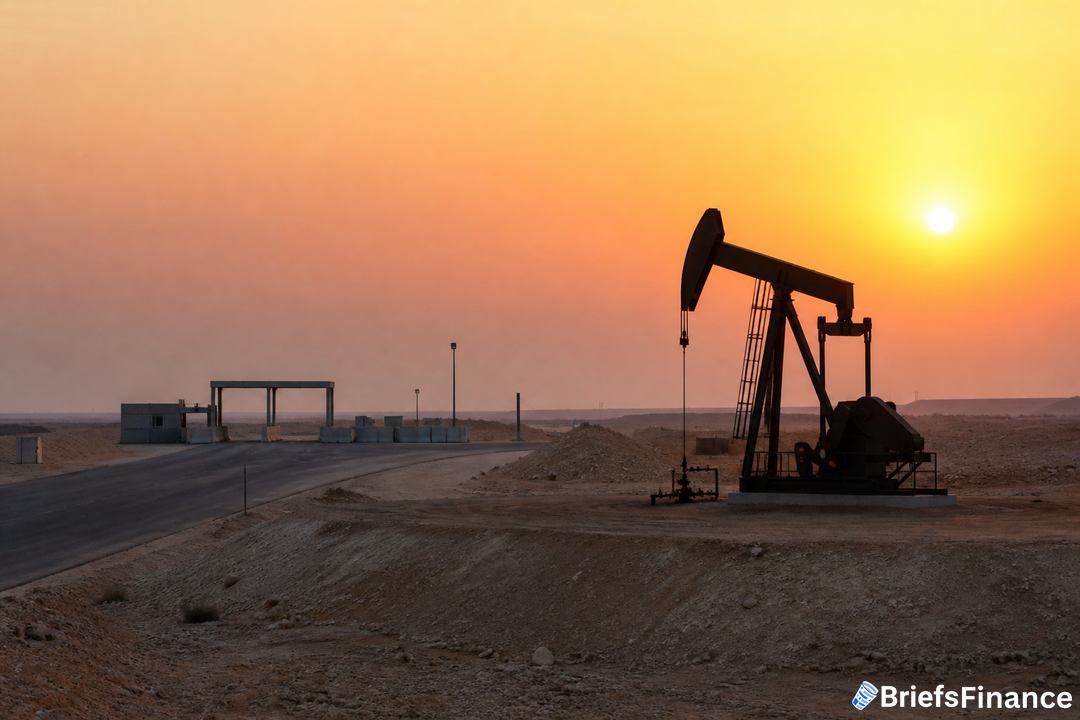
Saudi Arabia's economy shrank 3.8% from a year earlier in the third quarter, the statistics agency said Sunday. That is a smaller pullback than Q2's 4.7% slide and the first stretch of two consecutive quarterly contractions since 2023.
The split is stark: oil dragged, non-oil steadied. Oil activities fell 20.4% from a year ago, after a 24.8% drop in Q2. The non-oil side grew 1.9% as officials continue pressing to remake a roughly 1.4 trillion dollar economy beyond crude.
Conflict's economic footprint
The backdrop is an unusually volatile period tied to a US-Iran war that started eight months ago, alongside Saudi Arabia's fight with Yemen's Tehran-backed Houthis. Retaliatory strikes on Saudi energy assets disrupted pumping and exports, while traffic in the Strait of Hormuz was constrained. To soften the impact, the kingdom diverted crude through a pipeline that feeds a port on the Red Sea.
Operations on that route were briefly stopped in September following a spate of attacks, a disruption reflected in the Q3 figures. The figures also come before Saudi oil exports later climbed back to wartime highs.
Market shifts remind investors that fresh tools can quietly transform how you find opportunities. We're hosting our first ever investor livestream on 11/17 to show you how to use ChatGPT and Claude to invest like a pro, hosted by Briefs Finance CEO Jaspreet Singh. Save your seat.
October disruptions and what is next
In early October, friction with the Iran-backed Houthis escalated when Saudi-led forces began a broad push to recapture Houthi-controlled territory in Yemen. Later in the month, deadly air raids cut back flights serving Riyadh, postponed marquee events, and largely closed the capital's primary financial hub.
Over the weekend, many Riyadh schools extended remote classes through at least Nov. 5. The King Abdullah Financial District informed tenants that the remote-work directive, active since Oct. 11, will continue until further notice. With that, the lens shifts to Q4 and whether non-oil activity can offset the drag.
The market angle
Despite the shocks, economists and investors still view the oil sector as resilient, with exports rising and Brent holding above 115 dollars a barrel. Last month, the International Monetary Fund said that Saudi Arabia's financial cushions and alternative oil-export infrastructure are blunting the war's impact and that the kingdom still looks stronger than its Gulf neighbors despite the Houthi flare-up.
Before the October escalation, the government raised its forecast for the 2026 budget shortfall to 4.9% of GDP and indicated the economy was likely to shrink by about 3.6%, a drop comparable to the slump seen at the height of the 2020 Covid crisis. The bottom line: watch Q4 non-oil momentum and oil export flows to gauge how much of this risk your portfolio needs to price.
Exploring smart technology can give patient investors a clearer view and sharper edge. On 11/17, our CEO Jaspreet Singh goes live for our first ever investor livestream on how to use ChatGPT and Claude to invest like a pro. Register to join him.