Rivian shares rose 8.1% on Monday and jumped 19% the week before. Then the company said it would sell 75 million shares to the public. Investors quickly reversed course. The stock fell 18% on Tuesday - its worst single-day decline since 2024 and the fifth-worst day on record.
The Share Sale
According to a regulatory filing, Rivian will give underwriters 30 days to purchase an additional 11.25 million shares. The funds from the offering will be used to meet equity requirements linked to Rivian's DOE financing agreement. "This capital raise allows us to continue our investment in autonomous driving and the R2 platform," a Rivian spokesperson said.
Get your free investing masterclass bonus when you join Market Briefs, our free daily newsletter
Why Rivian Needs the Money
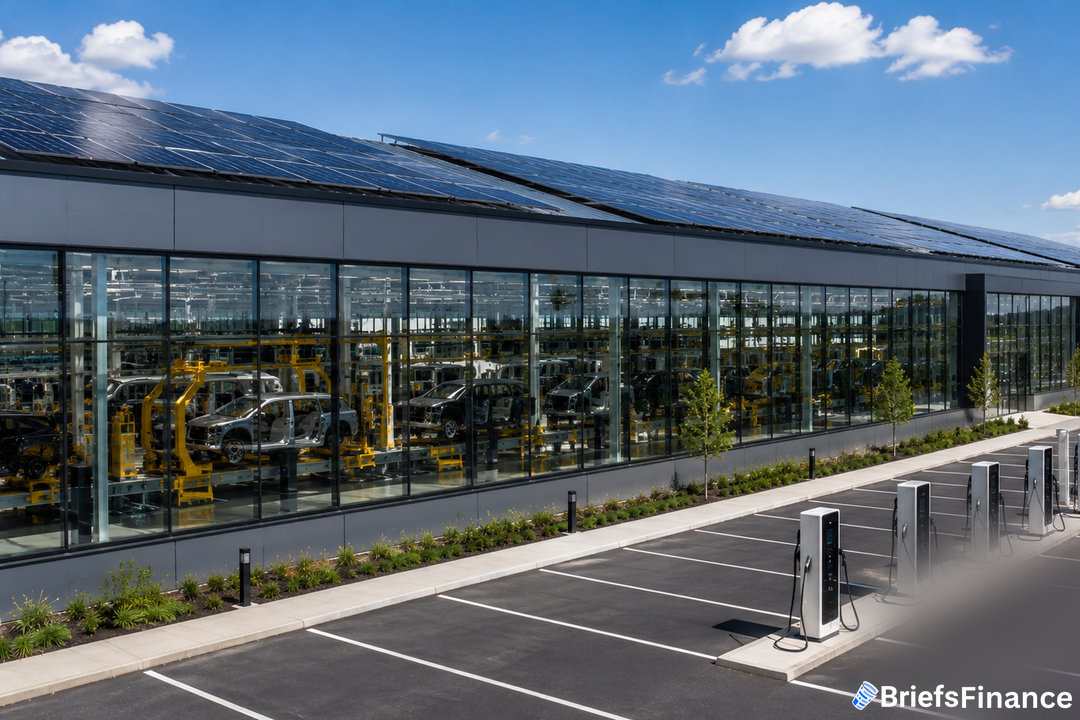
Rivian's decision to sell additional shares comes amid a pivotal transition for the electric-vehicle maker. The company is ramping up production of its R2 SUV, which is expected to be a lower-priced model to broaden its customer base, and it is investing heavily in self-driving technology to compete with rivals like Tesla. The DOE loan, valued at up to $6.6 billion, is intended to support construction of a new manufacturing facility in Georgia.
The R2 is a critical model for Rivian as it seeks to appeal to a broader market with a starting price around $45,000, compared to the R1T and R1S which start above $70,000. Production of the R2 is expected to begin in 2026, and the Georgia plant is slated to be operational by 2028. The DOE loan, if fully funded, would cover a significant portion of the plant's construction costs. However, the equity raise indicates that Rivian still needs additional capital to bridge the gap until the R2 generates cash flow.
However, the equity raise dilutes existing shareholders, which explains the sharp selloff despite the upbeat revenue guidance. Analysts noted that while the revenue beat is positive, the dilution from the share sale and the pushback of profitability targets raise concerns about Rivian's cash burn rate. The company has yet to achieve positive gross margins, and the additional capital is crucial to sustain operations until the R2 ramp generates meaningful revenue.
In a separate regulatory filing, Rivian provided an early look at its second-quarter performance. The company also reported an estimated cash and short-term investments balance of $5.3 billion, up from $4.8 billion at the end of the first quarter.
What the Stock Drop Means
The company's revenue outlook beat expectations.
Subscribe to Market Briefs, our free daily newsletter, and claim your bonus investing masterclass