What the commission plans to change
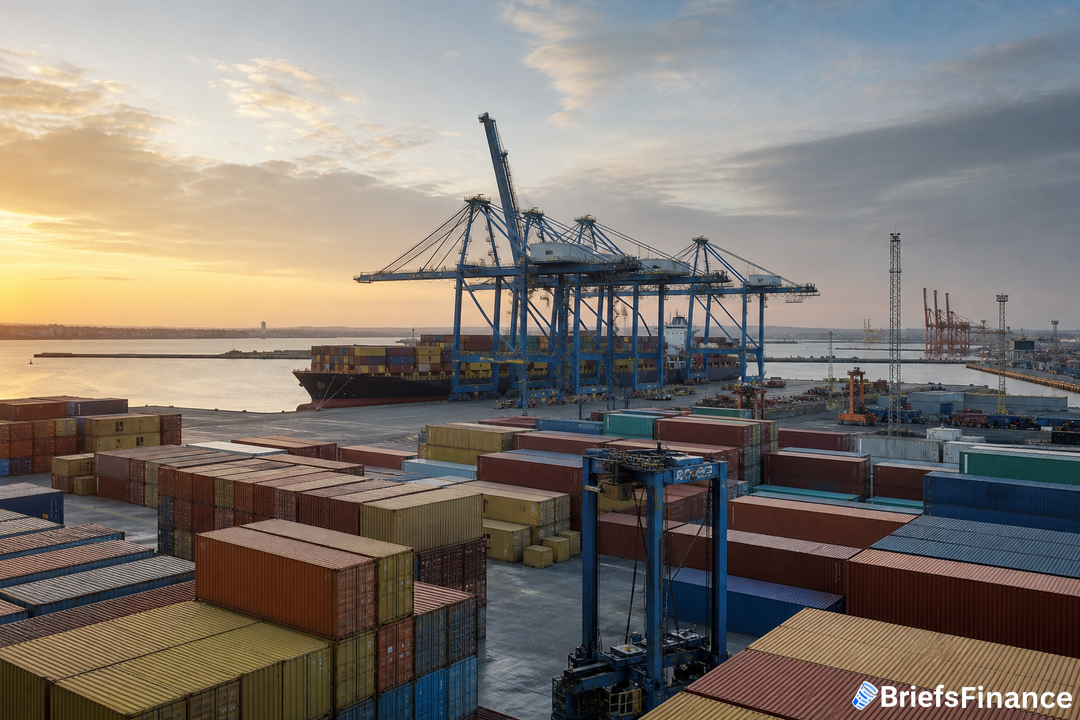
According to people familiar with the effort, the European Commission aims to revise rules that govern how goods and investments from non EU countries, including China, are allowed into the bloc's market, which is valued at €18 trillion, or $20.1 trillion. Planned amendments include motor vehicle type approval rules and the framework on foreign subsidies.
The commission also intends to update forced labor provisions and the trade secrets directive. Those adjustments are meant to better manage economic security risks tied to specific imports while making it simpler for trusted overseas suppliers and businesses to operate within the EU. A commission spokesperson declined to comment.
New tools in the December package
Officials are bundling the rule changes into a broader set of measures slated for release by mid-December. A centerpiece is a diversification instrument designed to steer companies toward alternative sources. It would map where the EU is heavily reliant in goods and services, examine the associated risks, and present ways to reduce those exposures using existing or fresh measures.
The package also includes new powers to act quickly if faced with hostile trade moves, with a proposed instrument that could curtail access to the EU market for selected goods and services more quickly and across a wider scope than current tools allow. The goal is to manage economic security risks and close gaps that undermine the single market, even as the EU's trade shortfall with China - about €360 billion last year, with Eurostat data showing roughly €361 billion - is expected to keep growing.
Safeguards, quotas and a reference point
In parallel, the EU is preparing safeguard steps to trim purchases from China in areas such as chemicals, furniture and machinery, Bloomberg previously reported. Those steps could be either import limits or tariffs and could be unveiled as early as the first quarter of 2027.
Officials are looking to echo a recent arrangement with Beijing that set a ceiling of 350,000 hybrid cars a year from China entering the EU, a level viewed as sufficient to deter retaliation. Under safeguard rules, the bloc can restrict products from a sector when imports have surged.
Regulatory shifts and global supply changes reshape where risks and opportunities appear. We're hosting our first ever investor livestream on 11/17 to show you how to use ChatGPT and Claude to invest like a pro, hosted by Briefs Finance CEO Jaspreet Singh. Save your seat.
Diplomacy, trade give and take, and what it means for your portfolio
The December package will also propose a solidarity mechanism that lays out options the EU could pursue if a third country targets one member nation or several together with damaging economic actions. The commission's broader approach pairs risk reduction and closing loopholes with continued talks with Beijing and a push for negotiated fixes.
EU trade chief Maros Sefcovic intends to assess progress and outline next steps in talks with his Chinese counterparts at the start of next year. Under the deals reached so far, China would lower tariffs on certain auto parts as well as on olive oil and ice cream. At the same time, the EU wants better entry to China's market and smoother procedures for exporting critical minerals and permanent magnets, while Beijing is advocating looser EU export curbs and fewer investigations into Chinese goods and investment.
For investors, watch how approvals, foreign subsidy scrutiny, and rapid response tools reshape who can sell into Europe and how fast alternate suppliers can scale. Also track any sector safeguards around early 2027. Those choices will influence input costs, market share and where capex shows up across your portfolio.
Savvy investors look for smarter tools to spot subtle shifts before others do. On 11/17, our CEO Jaspreet Singh goes live for our first ever investor livestream on how to use ChatGPT and Claude to invest like a pro. Register to join him.