What happened
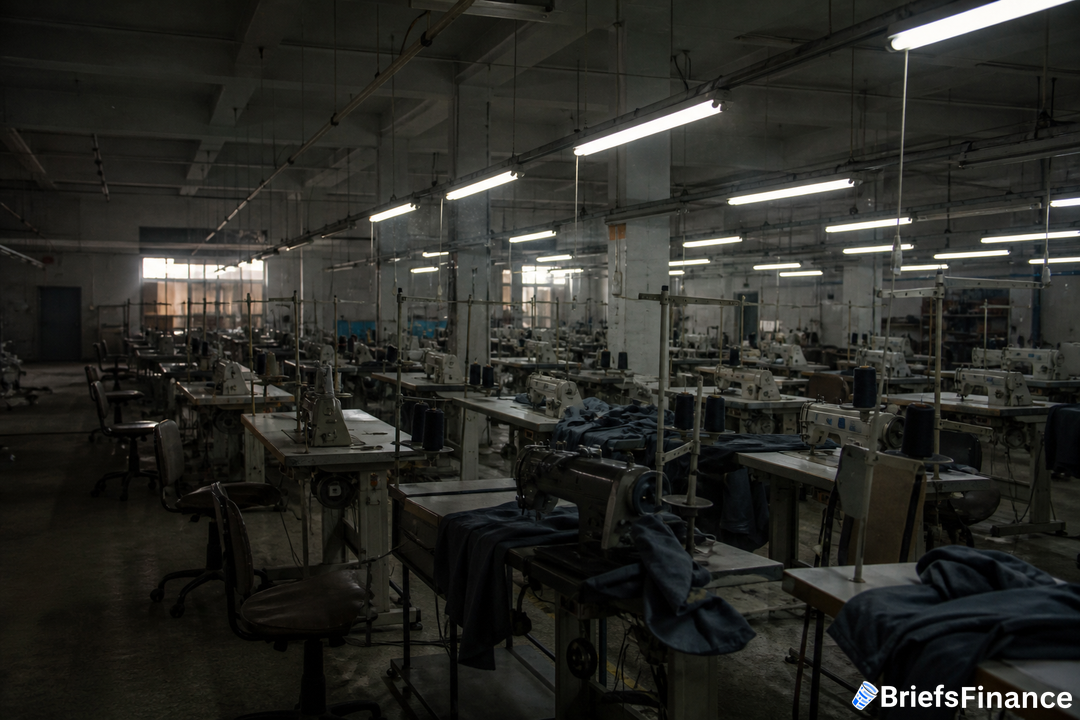
Garment workers kept up wage protests for a fourth straight day, and the standoff turned confrontational as officers used tear gas on protesters in the Ashulia belt outside Dhaka a day before Tuesday. The ripple effects were immediate, with at least 70 factories shutting for the day and several others seeing production halted. Turnout was wide-ranging, drawing staff from no fewer than 670 factories.
Who is negotiating and what they want
Union representatives sat down with Home Minister Salahuddin Ahmed and Labour and Employment Minister Ariful Haque Choudhury, pressing for a government decision on higher pay by December that would kick in come January. Workers are demanding a 140% increase, seeking to set the monthly minimum wage at 30,000 taka instead of 12,500, pointing to rising costs as the current three-year wage pact runs out next month. At a Monday briefing, Babul Akhter, who represents workers on the wage board, urged a return to work while promising to keep pushing for a bigger paycheck.
Bigger picture and what it means for your portfolio
The garment sector is central to Bangladesh's economy, employing over four million people, generating more than 80% of export earnings, and accounting for around 10% of GDP. As the world's number two garment exporter after China, Bangladesh is a key supplier to H&M Group, Gap Inc., Walmart Inc., and Target Corp., so prolonged disruption can travel up the supply chain.
Short term, the government may tamp down the unrest and settle on a raise below the unions' demands, said Asif Mohammad Shahan, a development studies professor at the University of Dhaka. His caution was blunt: "They will be able to extinguish the flames, but the sparks will remain, waiting for the right conditions to reignite," unless pay and broader economic pressures ease. Officials also alleged that backers of the Bangladesh Awami League, described as the former ruling group led by ousted Prime Minister Sheikh Hasina, were contributing to the unrest. Home Minister Ahmed claimed that certain factory owners once held roles as lawmakers or ministers during the last government, though no evidence was offered tying them to the protests.
Supply disruptions and labor unrest remind investors that uncertainty rewards better tools. We're hosting our first ever investor livestream on 11/17 to show you how to use ChatGPT and Claude to invest like a pro, hosted by Briefs Finance CEO Jaspreet Singh. Save your seat.
In plain English: if wage talks drag or settle too low, fresh unrest could follow, risking shipment timelines and inventory planning for global retailers. For your portfolio, watch for guidance from brands exposed to Bangladesh and any signs of margin pressure from rerouting orders or absorbing delays.
New analytical tools like AI can help investors make clearer choices during uncertainty. On 11/17, our CEO Jaspreet Singh goes live for our first ever investor livestream on how to use ChatGPT and Claude to invest like a pro. Register to join him.