What Changed
Russia will permit the use of computing power outside its borders on a temporary basis. The permission is not blanket access, though. Any such use needs authorization from the Federal Security Service and a designated government subcommission.
The decree also sets two domestic guardrails. Private data-center operators must keep 10% of their available capacity unused as a reserve, and the Digital Ministry is tasked with auditing capacity at those sites.
What Triggered It
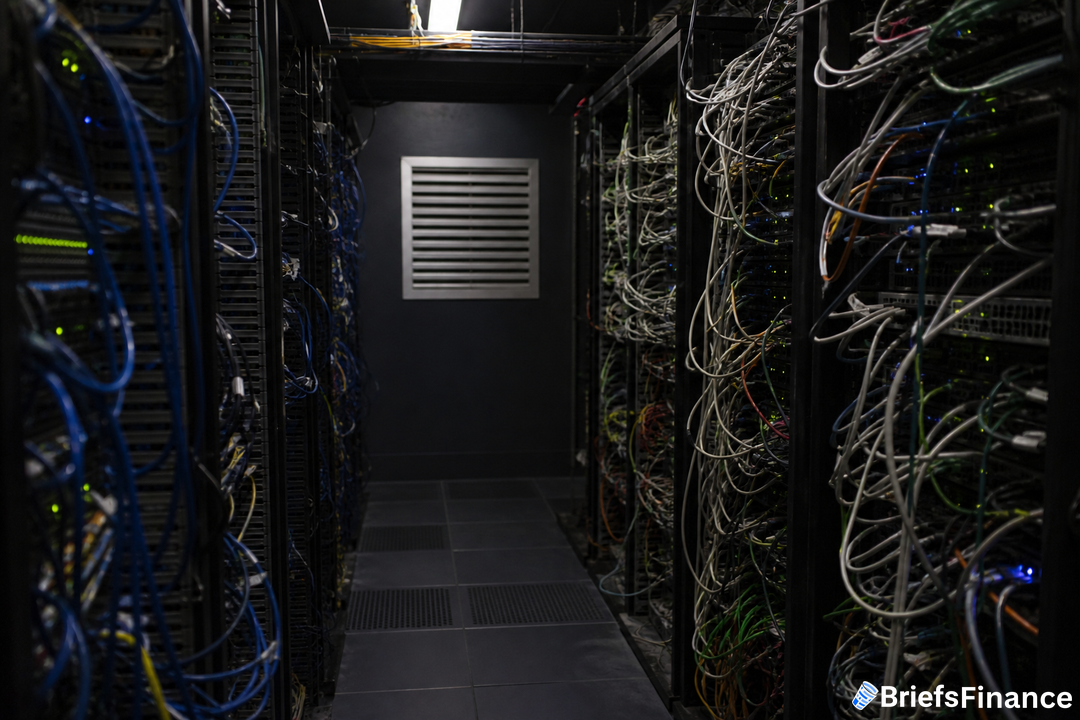
In October, Ukrainian drones hit three Yandex data centers, leading to short-lived service disruptions that reached some business users. Afterward, Yandex moved its three supercomputers to different locations, according to state-run Tass late last month.
Yandex, Russia's biggest technology company, spans consumer services including search, cloud computing, artificial intelligence, e-commerce, and ride-hailing.
In fast-changing tech and infrastructure, investors seek smarter ways to spot opportunities. We're hosting our first ever investor livestream on 11/17 to show you how to use ChatGPT and Claude to invest like a pro, hosted by Briefs Finance CEO Jaspreet Singh. Save your seat.
Why It Matters for Your Portfolio
The order opens a controlled off-ramp to foreign capacity while Russia builds a buffer at home, signaling a policy focus on continuity after physical infrastructure was targeted. For cloud, data and AI exposure, the watch items are backup arrangements, regulatory checkpoints, and how quickly workloads can shift under pressure.
As digital systems evolve, learning how AI supports decisions can sharpen your edge. On 11/17, our CEO Jaspreet Singh goes live for our first ever investor livestream on how to use ChatGPT and Claude to invest like a pro. Register to join him.