What BII is committing and where it will flow
British International Investment intends to put about £2.25 billion, or $3 billion, to work in riskier African economies over the next half decade. CEO Leslie Maasdorp said this slice represents one quarter of a £9 billion Africa allocation within BII's 2026-31 plan.
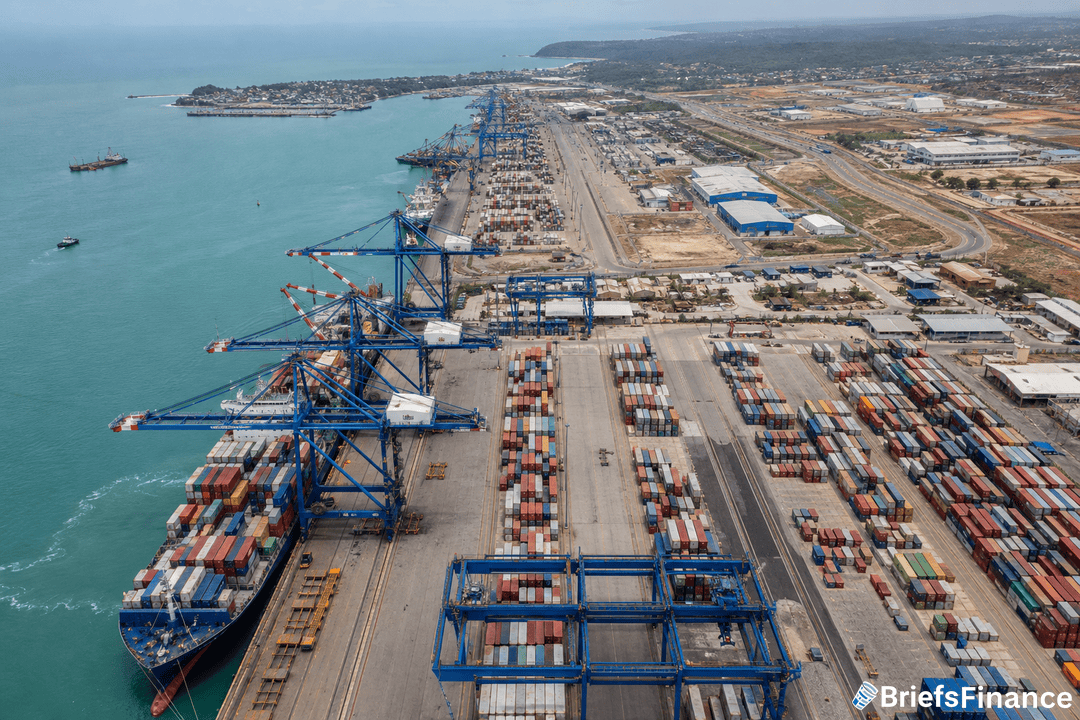
The institution will put up £5 billion of its own capital and will bring in a further £4 billion from partners, with a focus on power, ports, rail links and digital infrastructure like telecom towers and data centers. The full target across all regions in the strategy comes to £15 billion.
BII also intends to collaborate with domestic counterparts to strengthen financial systems and unblock obstacles that stop capital from flowing to companies and infrastructure. It will provide funding to banks to expand financial inclusion and support manufacturers with an emphasis on e-mobility.
Smart investors look for new tools that can give them a subtle edge. We're hosting our first ever investor livestream on 11/17 to show you how to use ChatGPT and Claude to invest like a pro, hosted by Briefs Finance CEO Jaspreet Singh. Save your seat.
Why BII is leaning into frontier and least-developed markets
Maasdorp noted that many African sovereigns sit at least four steps below investment grade, and some are not rated at all, which knocks them out of bounds for investors like Prudential Plc, BlackRock Inc. and Brookfield Asset Management Ltd. "We are very realistic and recognize that we're not going to get BlackRock to come and invest in Burundi or in the Democratic Republic of Congo," he said.
The CEO said, "So in Africa, we have got a strong drive to do what we call domestic resource mobilization," adding that 25% of BII's planned African investment is being set aside for frontier markets and least-developed countries. "It's about a continued commitment to the riskiest markets and there's a lot of countries that fall in that bucket," he said. "We in fact have one of the highest exposures in relative terms amongst the DFIs in terms of our investment in low-income countries and frontier markets."
How BII will reach the market and what it means for your portfolio
Seema Dhanani, who serves as BII's regional director for East Africa, said the DFI plans to channel capital to banks and manufacturers, with e-mobility as the primary emphasis on the manufacturing side. "Financial services is a really big part of our current portfolio and I see that continuing going forward," she said. "Banks give us scale and they also give us reach, but we're able to really tailor the transactions to hit target sectors of the market. So SMEs, agriculture, women-owned businesses, as well as climate finance."
The bottom line: this is capital headed to areas many large managers avoid, backing infrastructure, credit access and targeted manufacturing. For investors, it is a signal of where public development money is concentrating across 2026-31, which can shape deal flow, risk pricing and co-investment opportunities on the continent.
Learning how to use powerful technology thoughtfully can sharpen an investor's decision making. On 11/17, our CEO Jaspreet Singh goes live for our first ever investor livestream on how to use ChatGPT and Claude to invest like a pro. Register to join him.