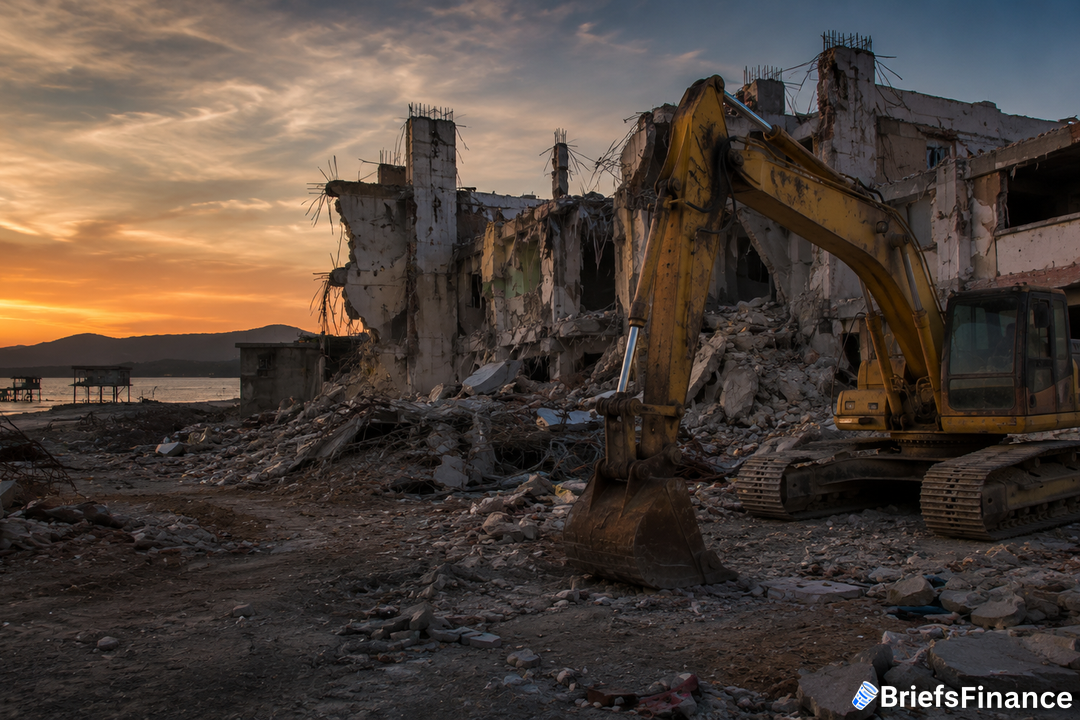
In parts of La Guaira state, rescue teams found themselves unable to operate excavators and cranes because diesel supplies had dried up, leaving debris untouched days after the earthquake.
Civilian Ariana Requena is searching for her mother and brother amid the rubble of a collapsed building in La Guaira. She said, "There is no fuel, the machines are stopped since yesterday." She added, "We had to raise hell yesterday because the machines stopped at 3 in the afternoon."
Government Moves to Fix Shortage
Venezuela's Energy Minister Paula Henao appeared on state television to address the fuel shortages. She said, "We're on the ground making sure that assistance reaches every location and that there's no shortage of fuel or diesel needed to power the machinery required for the response."
But Neil Osnato, founder of Persistence Analytics Group, an infrastructure risk analytics firm, explained the real problem. He said, "Diesel is not just a fuel issue in a disaster response, it is an operating constraint across the entire rescue system."
Get your free investing masterclass bonus when you join Market Briefs, our free daily newsletter
Why Diesel Is Scarce
Venezuela's fuel system has been crumbling for years. A combination of persistent underinvestment, mismanagement, and frequent refinery breakdowns has created the ongoing fuel shortages.
The earthquake, which struck the coastal state of La Guaira, has compounded an already dire fuel situation. With refineries operating at reduced capacity and the country dependent on imports, the sudden demand spike for diesel overwhelmed the system. Local authorities reported that even emergency vehicles struggled to find fuel, forcing some rescuers to rely on manual labor to move debris.
Damaged roads and limited cellphone service in La Guaira make fuel distribution harder. Rescue operations now compete with ambulances, generators, and water pumps for the scarce diesel supply. Private firms are stepping in with heavy equipment and crews, but they cannot fix the broken fuel pipeline.
The underlying crisis is decades in the making. Venezuela's oil industry, once a global powerhouse, has suffered from underinvestment, corruption, and a brain drain of skilled engineers. Refineries operate well below capacity, and frequent outages at the Jose complex and other facilities have left the country dependent on imports even in normal times.
When a disaster strikes, the fragile supply chain snaps, leaving rescue crews without the fuel needed to move debris or power critical equipment. This systemic weakness means that even emergency shipments cannot keep pace with demand.
What to Watch
Energy ministry officials visited the main fuel terminal in Catia La Mar to try to resolve the shortages. PDVSA has delivered a diesel shipment, but the broader fuel system remains weak. Rescue efforts continue.
Subscribe to Market Briefs, our free daily newsletter, and claim your bonus investing masterclass