A Long-Awaited Arrival
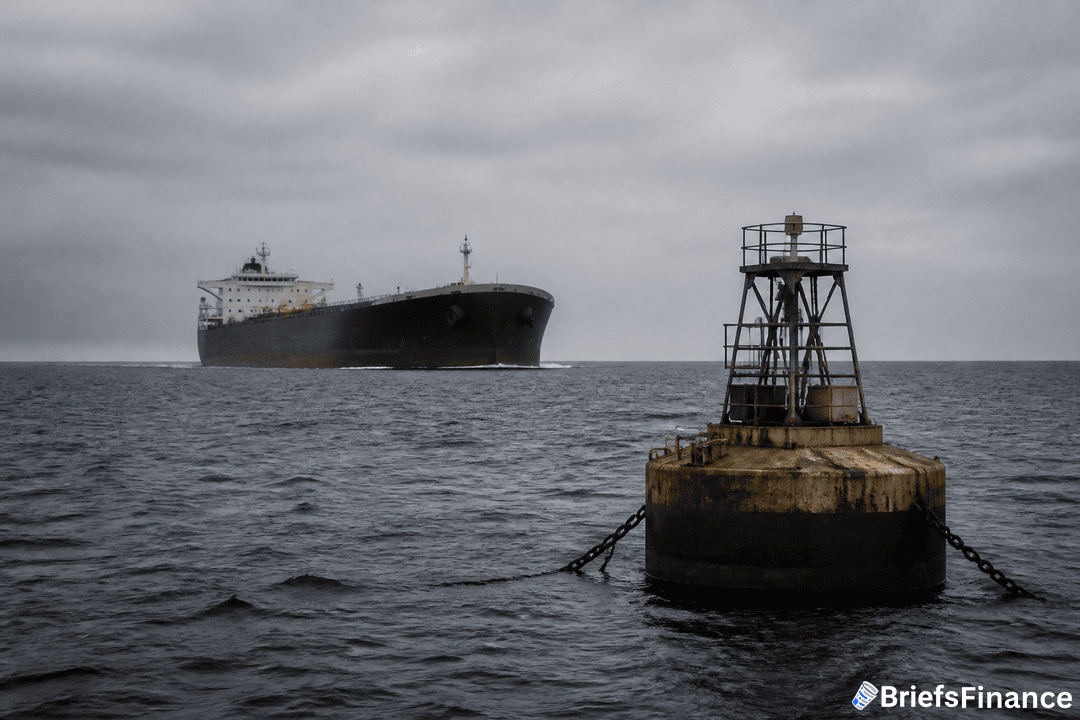
A vessel has been spotted connected to Single Point Mooring 2 at the Caspian Pipeline Consortium terminal on Russia's Black Sea coast, marking the first time a ship has been seen at that location since late November. Satellite imagery captured the vessel at the facility at the close of last week.
The mooring, one of three at the terminal, has been offline since a Ukrainian drone strike caused substantial damage to it in the final days of November. The berth had been operating since 2001 before being taken out of service.
Replacement and Testing Phase
The presence of a tanker at the damaged buoy is significant because of how these systems function. When a mooring has been inactive for an extended period, the underwater infrastructure needs to be cleared and tested, which typically requires a vessel to connect first. This suggests the facility may be entering its final evaluation phase before cargo operations resume.
Markets move every day, and most of it never reaches you in time. Get the free Market Briefs daily newsletter and stay ahead of it.
CPC had initiated a long-planned replacement of SPM 2 back in May. The original equipment had been in service for over two decades, and the replacement was already on the schedule before the attack. A spokesperson for CPC offered no comment when asked about the recent developments at the terminal.
Significance for Global Markets
The importance of this location cannot be overstated. The terminal is responsible for moving roughly 80% of Kazakhstan's oil exports, and under normal conditions, it supplies nearly 2% of the world's total oil. The recent months of attacks in the Black Sea region have caused significant disruption, leading to reduced export capacity.
European refiners are particularly exposed to these disruptions, as they are the destination for more than 70% of the terminal's output. This comes at a time when these same refiners are also dealing with major restrictions on oil flows from the Strait of Hormuz, placing pressure on two critical supply arteries simultaneously.
Looking Ahead
The terminal operates with three berths, which provides some flexibility even when one is offline. However, the extended closure of SPM 2 has diminished that buffer. Under normal conditions, the facility loads crude from two moorings at the same time, each capable of handling 800,000 barrels daily. The other original mooring, SPM 1, is also scheduled for replacement later this year.
Should SPM 2 become fully operational again, it would bring back the terminal's standard two-berth loading capacity. The next few weeks will be crucial in determining whether this was a routine test or the beginning of full-scale operations. Investors and market watchers will be monitoring satellite imagery and shipping data closely, as the return of this facility to full capacity could have significant implications for global oil prices.
The money story behind the headlines is usually the part that matters. Join Market Briefs free and get it every morning.