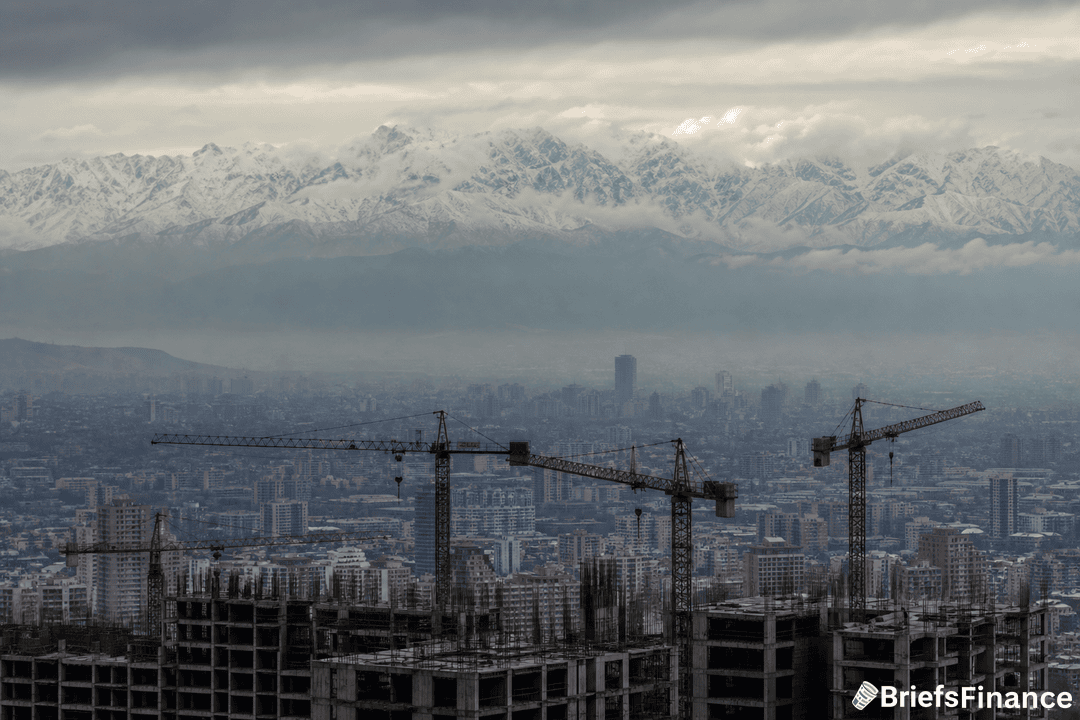
The Numbers Tell a Tough Story
Chile's economy stalled in the second quarter, and the timing could not be worse for its new president. Analysts had predicted a 0.3% rise. Instead, the economy shrank 0.2% from the same period last year.
Jorge Selaive, chief economist at Scotiabank Chile, called the quarter "horrible" in a post on X. He pointed to construction declining for four straight quarters and weak spending across the board.
Heavy rains in July killed more than a dozen people, closed schools, and briefly halted some mining work. Mining output grew 0.6% in the second quarter compared with the first, but the rest of the economy shrank 0.1%. Domestic demand rose a wafer-thin 0.1%.
Why It Matters
Chile's economy has been stagnant even before President Kast took office on March 11. He campaigned on reviving one of Latin America's most prosperous economies. In July, Congress passed key measures, including guarantees for investors and lower corporate taxes.
Markets move every day, and most of it never reaches you in time. Get the free Market Briefs daily newsletter and stay ahead of it.
But the opening months have not been smooth. A policy shift allowed fuel prices to jump by the largest margin since at least 1980, pushing inflation above the central bank's 3% target and hurting consumer confidence.
What Comes Next
Construction is weak, consumer spending is soft, and even 1% growth for the full year looks difficult.
Kast has pushed back. In an August 10 radio interview, he predicted recovery would begin in the last three months of the year. Daniel Mas, the official in charge of mining and the economy, said the plan would "speed the pace" and repeated promises to unlock investment, boost productivity, and create jobs.
Not everyone shares that confidence. Analysts surveyed by the central bank now expect growth of around 1% for 2026. At Capital Economics, Kimberley Sperrfechter expects the economy to keep struggling because of problems in the copper sector and tighter fiscal policy. She forecasts 0.8% growth for next year, below the consensus.
What It Means for Your Money
Its July minutes showed officials wary of weak investment and consumer sentiment. Uncertainty over Middle East conflicts could raise energy prices further, leaving little room to cut rates soon.
For anyone with money in local markets or the peso, the short-term picture remains uncertain.
If the late-year recovery arrives, the peso and local assets may start to attract buyers again. If not, flat growth and high unemployment will continue. The data point to an economy that is not falling apart but not moving forward either. Mining is the one bright spot, but Chile cannot mine its way out of this while the rest of the economy stalls.
The money story behind the headlines is usually the part that matters. Join Market Briefs free and get it every morning.