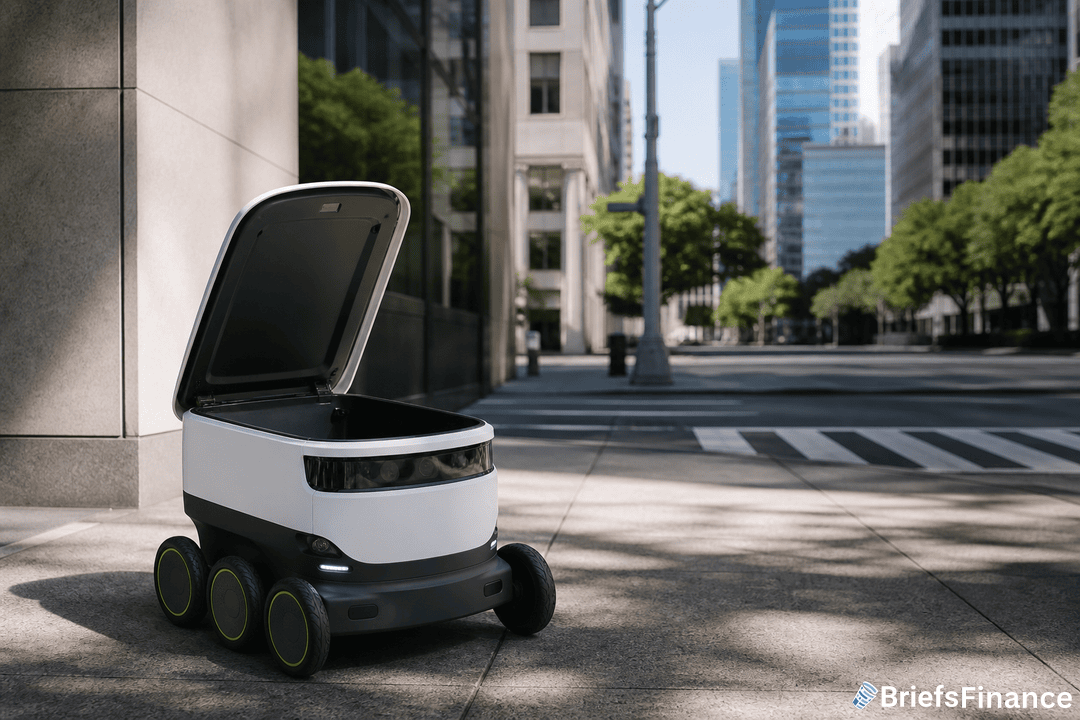
More Cities, More Robots
Serve Robotics is betting that more delivery partners means more robots rolling through American cities. The company unveiled a new partnership with Grubhub this week, while also expanding its existing deal with DoorDash to include Washington and San Jose, California. That brings DoorDash coverage to five cities total: Chicago, Los Angeles, Miami, and now the nation's capital and a key tech hub. The Grubhub deal, worked out with its parent company Wonder Group, puts autonomous deliveries in Los Angeles, Chicago, and Alexandria, Virginia.
The Uber Relationship Winds Down
The new partnerships come with a notable side story. Serve is quietly stepping away from Uber. During an earnings call two weeks ago, Serve's CEO said the Uber delivery contract will not be renewed after its early 2027 expiration.
Uber, which had been a major partner, already sold off its long-held stake in Serve. The timing is no accident. Serve is shifting focus to other partners while it still has time before that contract ends.
Why the New Partnerships Matter
The robot delivery market runs on volume. More orders mean each robot spends more time on the road earning money. Serve's fleet has about 2,000 robots, but the average number actively working during the second quarter was just 792.
A few minutes a day is enough to stay genuinely informed about your money. Join Market Briefs free and start tomorrow.
That gap between capacity and usage is the biggest challenge, since idle robots generate no revenue. Adding new cities and a second delivery partner gives Serve more places to deploy its fleet, which should push that active number higher.
Direct Access to Restaurants
The Grubhub deal also includes a new device called Beacon. Serve is rolling out Beacon to alert kitchen staff when a robot is waiting for a pickup. The goal is to skip the usual jumble of tablet alerts and separate apps, giving restaurants a simpler connection. Serve believes that ease of use could lead to more repeat business.
The Math Behind the Expansion
The company is also planning micro depots - small local hubs where robots can charge between runs - to support high-demand areas.
What It Means for You
The delivery robot idea has mostly lived in a few test neighborhoods. Serve's expansion suggests the model is moving past the pilot phase. Washington and San Jose are substantial markets, and having both DoorDash and Grubhub orders flowing through the same robots should help keep those 2,000 robots busy.
For anyone ordering delivery, this could mean more robot drop-offs in your area sooner than expected. For investors, the math is straightforward: Serve needs to show those robots are actually working, not sitting idle. The expanded partnerships are the first step.
Whether demand shows up is the next question.
Rates, prices and policy all end up in your budget eventually. Get the free Market Briefs daily newsletter and see it coming.