Remember when flying American meant staring at your own phone for three hours because the seat in front of you had a plastic tray and nothing else? That era is ending.
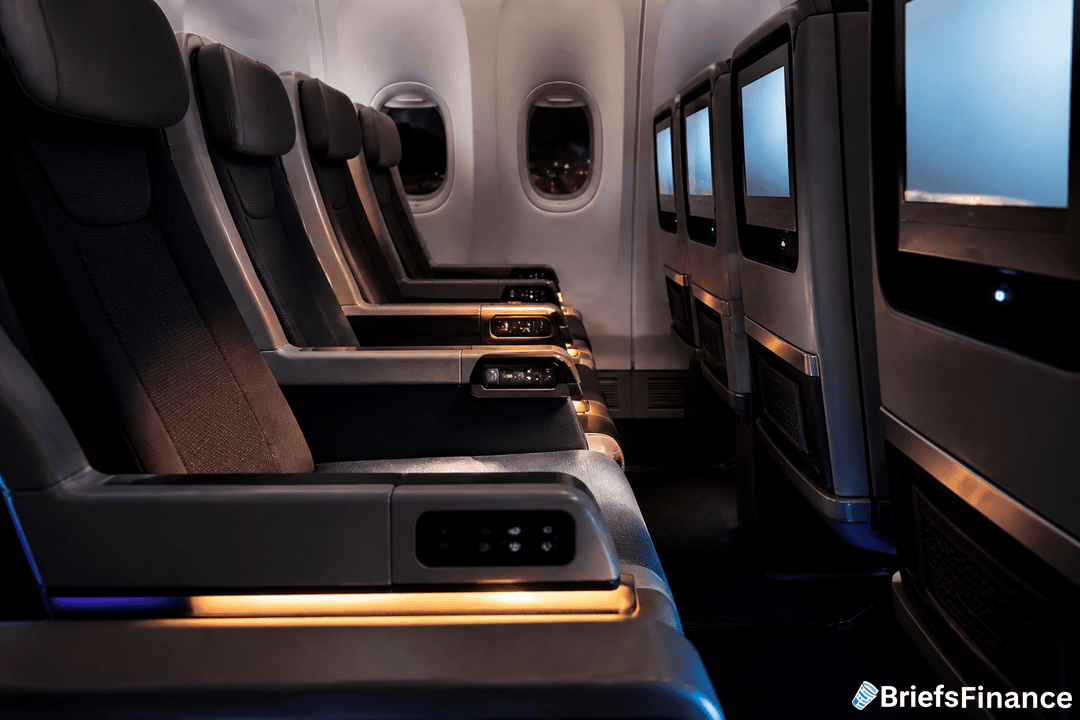
American Airlines Group Inc. announced it will bring seatback displays back to its narrowbody planes starting in 2028. The move is part of a bigger push to compete with Delta Air Lines Inc. and United Airlines Holdings Inc. for the travelers who spend the most money.
The Plan: Screens Are Back
About a decade ago, American pulled seatback entertainment from its single-aisle jets to save money. The logic made sense at the time. Passengers already had phones and tablets, so why pay to bolt screens onto every seat?
That cost-cutting effort, known internally as Project Oasis, did more than remove screens. It squeezed more seats into cabins and shrank the lavatories. Flights got more cramped, and the flying experience took a noticeable step back.
Now American is reversing course. That means the whole narrowbody fleet, the workhorse planes used on most domestic routes, will eventually have the screens.
Rates, prices and policy all end up in your budget eventually. Get the free Market Briefs daily newsletter and see it coming.
Why Premium Seats Matter More Than Ever
The screen restoration is part of a larger strategy around seating.
That shift reflects a hard lesson from the past decade. While American was trimming costs, Delta and United were discovering that premium travelers were their most profitable customers. Business travelers and vacationers willing to pay for more space became a reliable revenue engine, and American fell behind its more profitable rivals.
The numbers tell the story. A seat that sells for two or three times the price of a standard coach ticket brings in far more revenue per flight, and airlines have learned that travelers will pay up for comfort, especially on longer domestic routes.
The catch: American has to convince those travelers it can deliver a premium experience, not just a wider seat. That is why the airline is also upgrading premium meals and adding Starlink satellite internet. The goal is to match what Delta and United already offer, then hope the combination of screens, food, and Wi-Fi pulls in the customers who currently book elsewhere.
What This Means for Your Next Flight
If you fly American regularly, the changes will not show up overnight. New planes with the screens start arriving in 2028, and retrofitting the older fleet will take time. But the direction is clear.
For passengers, this is a return to a standard that felt normal a decade ago. You will be able to watch a movie on a real screen instead of propping your phone against the tray table. The seats might not get bigger, but the experience around them should improve.
For investors, the interesting part is what this says about the airline business. The carriers that figured out how to charge more for better seats are the ones making the most money. American is now betting that giving up some seats to add premium ones will pay off in the long run.
The risk is that the strategy works too slowly. Delta and United already have years of head start, and travelers who switched loyalty may not rush back just because a screen appeared. But for American, doing nothing was no longer an option.
The company watched its rivals pull ahead, and this is its answer. Whether it closes the gap will depend on how quickly the planes get upgraded and whether the premium experience lives up to the price tag.
The best financial decisions come from understanding the whole picture. Join Market Briefs free and get the full brief each morning.