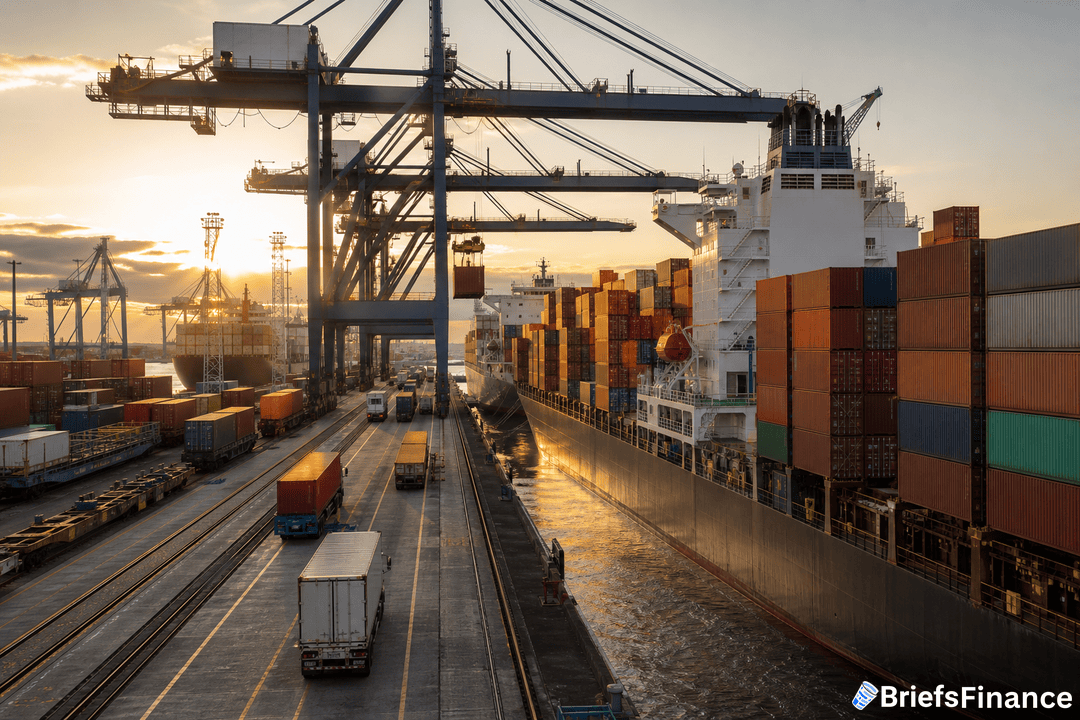
A July That Looks Like the Holidays
The Port of Los Angeles usually does its heaviest lifting later in the year. This July, the busiest container port in the country looked like it was already in peak season, with dockworkers moving 960,464 container units, the second-highest July figure on record.
Import-loaded shipments totaled 499,552 20-foot containers, the standard shipping measure. That is down 8% from July 2025, when importers set a record by rushing cargo through before an early August tariff deadline.
Even with that drop, the port landed 6% above its five-year average for July. The rest of the cargo picture was quieter.
On the export side, loaded containers totaled 111,776, down 8% from a year earlier. Empty containers added up to 349,137, 2% below the July 2025 level.
Given that it moves more container cargo than any other U.S. port, its monthly numbers reveal how much merchandise businesses are shifting and how concerned they are about timely delivery.
Why Cargo Came Early
That July 2025 record is the key to this year's numbers. The Supreme Court declared those country-specific tariffs unlawful in February, but President Donald Trump issued a new round using legal authorities considered harder to overturn.
The best financial decisions come from understanding the whole picture. Join Market Briefs free and get the full brief each morning.
One of those authorities is Section 301 of the 1974 Trade Act, which lets the president hit other countries with tariffs. So the uncertainty that drove last year's rush never really went away.
Importers had a fresh reason to move fast, and they had reasons beyond tariffs. The conflict involving Iran has nearly closed the Strait of Hormuz, pushing freight costs higher.
Panama Canal congestion is getting worse, with crossing waits stretching from a few days to three weeks, and El Niño is expected to add to the problem. Retailers responded by front-loading their orders.
The result was an unusually early peak-shipping season. Normally the busiest stretch comes later in the year, but stores wanted goods on shelves before the next tariff change landed.
Jonathan Gold, who handles supply chain and customs policy at the National Retail Federation, said retailers stocked up before the late July tariff changes and braced for problems like the shipping disruption tied to the Iran conflict. Port of LA Executive Director Gene Seroka said businesses keep moving cargo when they spot a chance to get ahead of the shifting trade rules.
What It Means for Your Money
The early peak season is not over yet. The National Retail Federation forecasts U.S. import volumes will stay high in August 2026 before declining through the rest of the year, according to the Global Port Tracker.
For investors, port traffic is a useful tell. It shows how much stuff companies think they need, and how fast they want it.
A near-record July means businesses are still bracing for trade policy shifts and supply-chain snags, and those costs tend to show up somewhere. Tariffs raise the price of bringing goods in, and longer shipping routes add fuel and delay on top of that.
Some companies can pass those costs to customers; others will feel the squeeze in their profit margins. Watching how cargo moves in the coming months is one way to see which side of that divide a business sits on.
When freight costs rise, they do not stay at the dock. They show up in the price of goods on shelves, which is one more quiet pressure on inflation.
You do not need to watch shipping schedules to feel the effects. They show up in prices, in delivery times, and in the profit reports of the companies you own.
Markets move every day, and most of it never reaches you in time. Get the free Market Briefs daily newsletter and stay ahead of it.