A Deal Takes Shape
Hope can move markets. Right now, the hope is about one of the world's most important waterways.
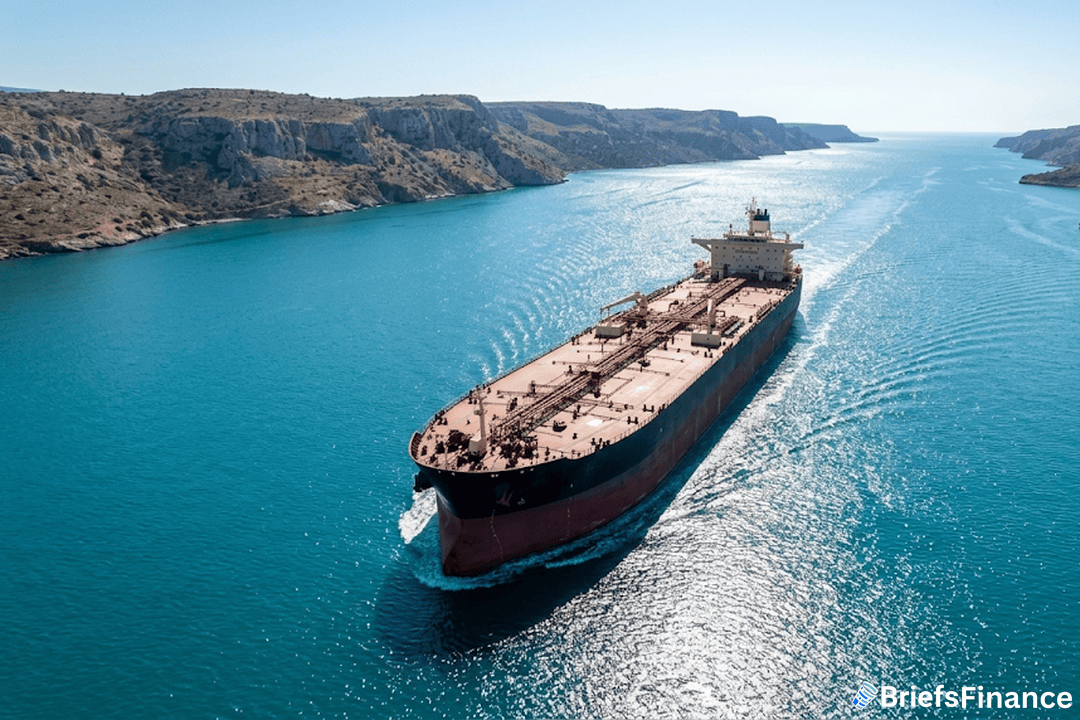
The Strait of Hormuz is the narrow passage between the Persian Gulf and the wider ocean. A huge share of the world's oil travels through it.
For weeks, the big fear has been that an attack on Iran could shut it down.
That fear started to ease.
U.S. officials now expect a temporary deal that would restore traffic through the Strait of Hormuz. Qatar says a draft proposal is on the table, and people close to the talks say Iran may let European nations clear mines from the waterway.
Secretary of State Marco Rubio and Treasury Secretary Scott Bessent both sounded positive about the negotiations.
Investors responded the way they usually do when danger fades: they bought stocks, bought bonds, and sold oil.
That reaction underscores why the talks matter. The strait is a chokepoint for global oil, so even the possibility of reopening it can shift expectations for energy prices, inflation, and central bank policy.
Get the free Always Be Buying eBook and learn the simple system for building wealth on any income
The S&P 500 moved past its June closing peak, putting it on track for an all-time high.
Strong corporate results were part of the push too. Traders have more to chew on: results from SpaceX and Advanced Micro Devices are next on the agenda.
Why Oil Matters So Much
There is a clean chain here worth following. If the Strait of Hormuz reopens, oil supplies become steadier. Steadier supplies mean lower energy prices, and lower energy prices take some pressure off inflation.
Tony Miano of the Wells Fargo Investment Institute put it plainly: "Markets are reacting to the possibility that a reopening of the Strait of Hormuz could help normalize global oil supplies and reduce near-term energy price pressures. Lower oil prices can ease inflation concerns."
The catch is that inflation does not vanish just because oil calms down. Miano thinks prices elsewhere could stay sticky, which would limit how far Treasury yields fall.
That matters because the Federal Reserve is still worried. The Fed left rates unchanged last week, but more of its policymakers are backing a rate increase.
Middle East tensions and an AI investment boom are feeding inflation concerns from another direction.
The Jobs Report Test
The labor market adds another layer. In June, open U.S. jobs dipped while hires rose a bit, a sign that labor demand held up reasonably well heading into the summer.
Bret Kenwell of eToro said that steadiness gives the Fed room to focus on inflation. Friday's employment report could shift the outlook quickly.
"However, a disappointing report combined with last week's weaker-than-expected gross domestic product growth could give the Fed more cover to remain on hold," Kenwell said.
What This Means for Your Portfolio
So what does all of this mean for your money? For now, the market is betting that calmer oil gives the Fed room to breathe.
One hot jobs number, one broken-down negotiation, or one surprise from AMD could change that math quickly. The days around August 3, 2026 and August 4, 2026 will tell us whether this rally has legs.
Until then, expect the headlines to stay loud. The path forward is real, but it runs through a very narrow waterway, a very busy jobs market, and a Fed that has not made up its mind yet.
Download the free Always Be Buying eBook and start putting your money to work today