The Hidden Electricity Problem
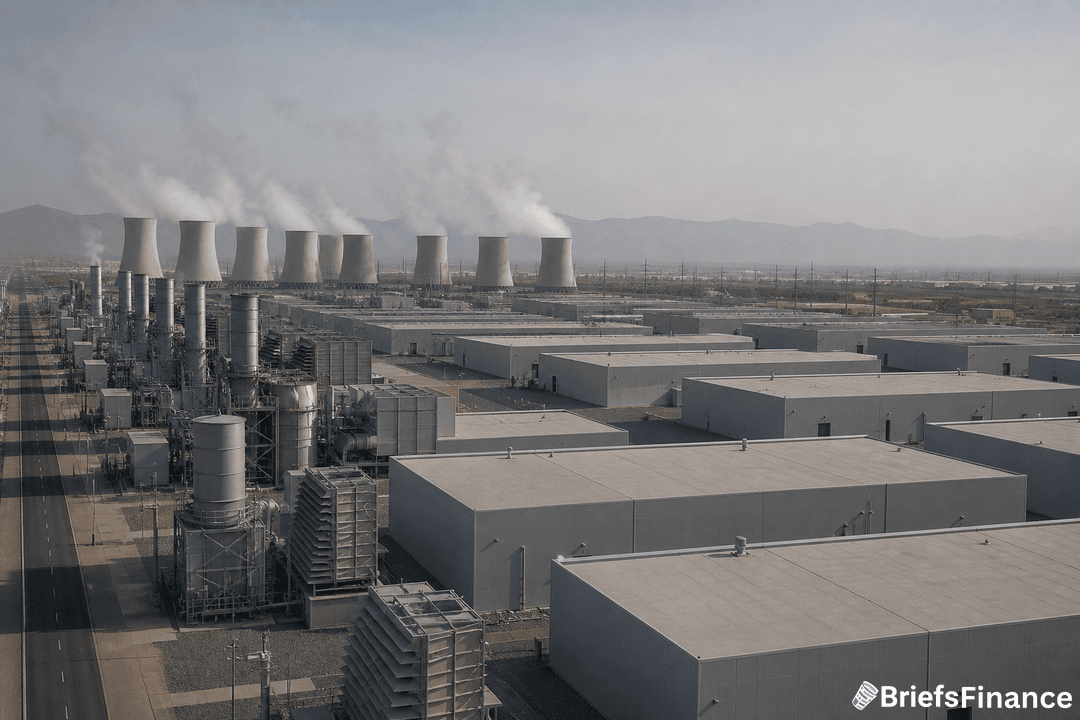
The data center boom has stretched the nation's power grid, raising reliability concerns and leading to approval freezes in some areas. Since even approved projects can wait years for a connection, builders are putting gas plants behind the meter so the power is used on-site and skips the utility sign-off.
Bloomberg counted 99 gas projects planned in 22 states, more than a third of them in Texas. That rush is why Texas Governor Greg Abbott placed a pause on new data center approvals. These "behind-the-meter" plants now cover 99 proposed projects and up to 126 gigawatts of new generation.
What the New Plants Mean for US Emissions
Data from the U.S. Energy Information Administration shows the entire US power sector emitted about 1.485 billion metric tons of carbon dioxide last year.
The math is only part of the story. Not every announced plant gets built, and some proposals are long shots. But most of the ones that do move forward use single-cycle turbines, which are quicker to install and more polluting than the cleaner kind. Those cleaner combined-cycle units sound better, but there is a multi-year backlog for them.
Markets move every day, and most of it never reaches you in time. Get the free Market Briefs daily newsletter and stay ahead of it.
Big Tech Companies Face an Uncomfortable Trade
Amazon and Microsoft have both pledged to zero out their carbon contribution. As their own numbers now show, the gas buildout is making that promise harder to keep.
Amazon's West Texas project covers 8,000 acres in Pecos County and could become one of the country's biggest new carbon sources. About 30 miles (48 km) away, Chevron is building a gas plant for Microsoft on a 2,000-acre site. Combined, the two projects can supply over 10 gigawatts, comparable to New York City's peak power demand, and their combined annual emissions could reach 45 million metric tons of CO2 equivalent. That is just under half of Washington state's yearly total.
Amazon and Microsoft say their climate pledges stay intact. Amazon is also looking into solar power and batteries at the West Texas site.
But the overall direction has David Pomerantz sounding flat. He says: "There is immense, immense pressure on the whole sector to get power, and get it fast," and "They're sort of agnostic if it is clean or dirty."
Drew Wilkinson has the same lack of faith. "It has been a remarkable shift in the last three years," he says, and "The companies who set the bar for corporate climate action are now bringing net new fossil infrastructure online at a breakneck pace. Few of us saw it coming."
What That Means for Your Money
This is not just a story about big tech companies or their promises. The rush for data center power is happening on the same grid that serves your home and your investments.
Electricity demand is now tied directly to the artificial intelligence boom. If the country builds more gas plants, the energy timeline will get worse. If the buildout hit gets too slow, some businesses may wait longer to get the power they want.
For your portfolio, it helps to watch how energy and technology are colliding. Companies that promise to be clean can still end up funding fossil fuel plants when the pressure builds. The final price of that choice shows up not just in carbon totals, but in the next earnings season and the electricity bills down the road.
The money story behind the headlines is usually the part that matters. Join Market Briefs free and get it every morning.