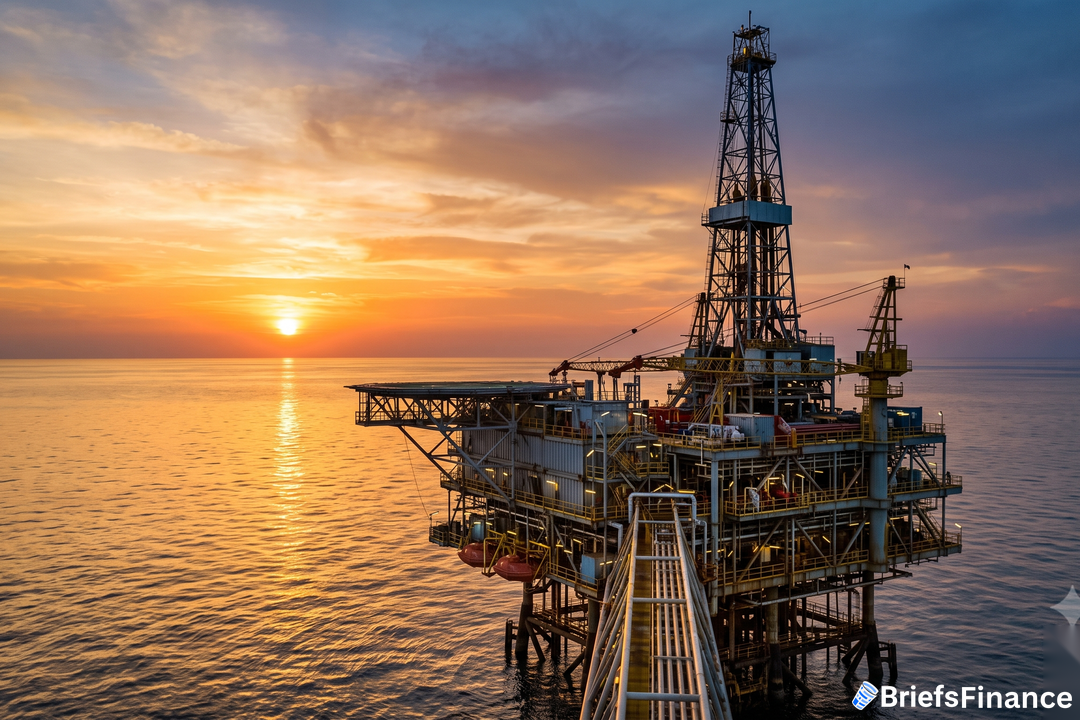
The Blockade and the Price Jump
Trump called for a payment of one-fifth of every cargo's value to cover the cost of U.S. naval protection. "We are reinstating the THE IRANIAN BLOCKADE, so named because it is only stopping Iran's ships or customers from entering or leaving. All other countries will have fair and open use of the Strait," Trump said.
The Military Escalation
The weekend's strikes were the latest in a conflict that began on Feb. 28, when Iran was attacked by the United States and Israel. On Saturday, the U.S. military hit 140 targets inside Iran. The attack came after Iran's Islamic Revolutionary Guard Corps (IRGC) attacked a container ship transiting the Strait of Hormuz. Iran then closed the strait, according to state news agency Tasnim.
But the U.S. military disputes that. "Iran does not control the strait. Traffic is flowing," U.S. Central Command said in a social media post. Centcom added: "U.S. forces are positioned and prepared to ensure that freedom of navigation remains available despite unwarranted Iranian aggression, harassment, threats, and arbitrary declarations."
Get the market news that matters in a five-minute read with Market Briefs, our free daily newsletter
Before the Feb. 28 incident, about 20% of global oil supplies passed through the Strait of Hormuz. Maritime intelligence firm Windward tracked ship transits, and the Joint Maritime Information Center provides security updates.
The Peace Deal Disagreement
The U.S. and Iran signed an interim peace deal on June 17. But they have different interpretations of how that deal should reopen the Strait of Hormuz. The IRGC's attack on the container ship prompted the U.S. response. Trump's new blockade is his answer to the situation.
Background of the Conflict
The Feb. 28 strikes marked a dramatic escalation after months of rising tensions. The U.S. and Israel had accused Iran of supporting militant groups that targeted American assets in the region. In retaliation, Iran's IRGC began targeting commercial shipping in the strait, culminating in the container ship attack that triggered the latest U.S. military response.
Given that approximately one-fifth of the world's oil supply traversed the strait prior to the Feb. 28 strikes by the U.S. and Israel against Iran, even small disruptions have triggered price surges in the past. Markets are especially sensitive because any extended halt in strait traffic could remove millions of barrels from daily global supply, prompting traders to watch diplomatic moves and any signs of further escalation.
Strategic Importance of the Strait
The narrow waterway serves as a vital artery for worldwide oil shipments. Prior to the Feb. 28 escalation, any disruption to shipping lanes there typically triggers sharp price spikes.
The Strait of Hormuz has been a flashpoint for decades. Previous crises - such as the 2019 attacks on Saudi facilities and the 2020 U.S. killing of Qasem Soleimani - caused temporary price jumps. The current confrontation, however, marks the first time the U.S. has imposed a formal blockade in this waterway since the 1980s Tanker War. With about 20% of global oil flows at stake, the stakes are exceptionally high for both energy markets and regional stability.
Join Market Briefs, our free daily newsletter, for a quick daily rundown of the markets