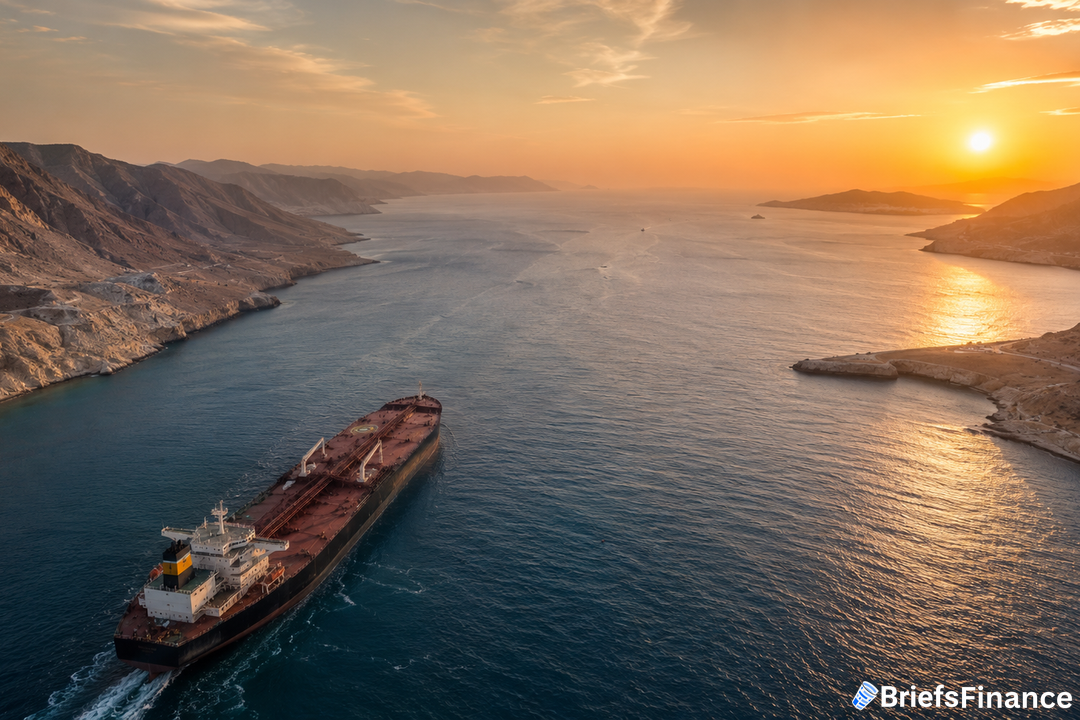
President Trump says America guarded the Strait of Hormuz for free and now wants to be paid. But international law generally forbids charging ships for transit through international straits. And US allies in the Gulf, which export energy through the waterway, could be angered by the fee.
The Plan: Block Iranian Ships, Tax Everyone Else
In a statement, Trump declared the US will be "THE GUARDIAN OF THE HORMUZ STRAIT."
"We guarded it for nothing, and now we're going to guard it, and we're going to get paid for guarding it - a lot of money," Trump said. He added that the reimbursement covers the cost and danger of providing security in a "very volatile section of the World."
The White House did not provide details on how the plan would be implemented or whether it was shared with US allies in the Gulf. Earlier, Secretary of State Marco Rubio had stated that no vessel should be barred from navigating the strait.
Get the market news that matters in a five-minute read with Market Briefs, our free daily newsletter
Why Now and What It Means for Oil
The Strait of Hormuz - a narrow waterway - transports roughly 20% of global oil, a role it held until late February when the US and Israel initiated military action against Iran. During the war, Iran choked off the strait to gain leverage. An interim peace agreement gave a 60-day window where commercial shipping could pass without paying tolls.
Trump's announcement effectively ends that window with a new fee. The immediate reaction hit energy markets. Think of the strait like a highway toll booth.
A country that used to let everyone pass for free now says it owns the road and will charge every truck. The truck drivers (shipping companies) must pay, and the cost will likely flow to buyers at the pump.
Legal and Diplomatic Hurdles
International law generally says countries cannot charge ships for passage through international straits. That legal reality could slow or stop Trump's plan. The White House did not say whether the administration has a legal strategy.
Also, US allies in the Gulf are major energy exporters. They could see the 20% fee as a tax on their own oil shipments. Trump did not mention any consultations with those allies before making the announcement. In a separate interview on Fox, he repeated that the US wants to be "reimbursed for doing all of this, for putting our people in danger."
Observers are watching how the plan will be enforced and whether Iran will try to challenge it.
Worth Noting
The 20% rate is a blunt number - a straight cut of every barrel's value that travels through the waterway. Whether it holds depends on legal challenges, allied reaction, and whether oil prices keep climbing.
Join Market Briefs, our free daily newsletter, for a quick daily rundown of the markets