BMW is launching an electric version of its popular X5 SUV in the United States. Federal tax credits for EVs have been eliminated, and US sales forecasts for battery-powered cars have been slashed. BMW's approach reduces risk by maintaining a portfolio of powertrain options.
The iX5 and a Flexible Strategy
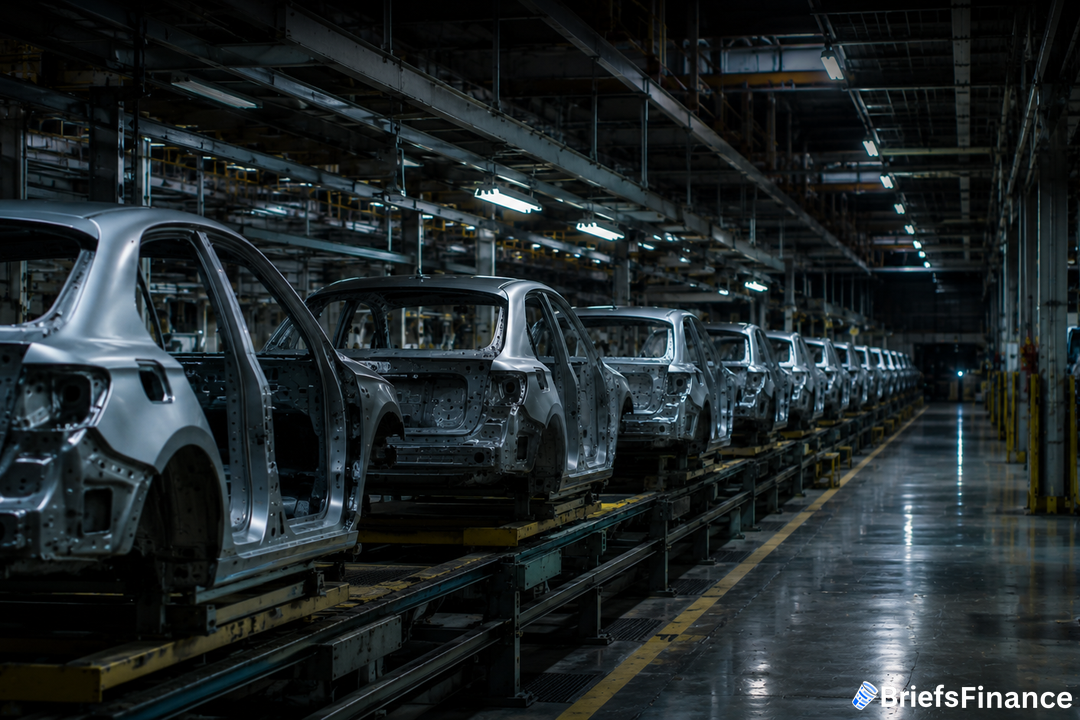
BMW will manufacture the iX5 at its large facility in Spartanburg, South Carolina, which currently produces around 400,000 vehicles annually. This will be the company's first electric vehicle made in the US.
"BMW is not abandoning gasoline engines," a company spokesperson said. The updated X5 comes with four different powertrain choices: gasoline, diesel, hydrogen fuel-cell, and battery-electric. By keeping multiple powertrain options, BMW has sidestepped several troubles that competitors face when scaling down their EV ambitions.
BMW's $1.7 billion outlay, which began in 2022, has reached completion as the new X5 rolls off the line.
Get your free investing masterclass bonus when you join Market Briefs, our free daily newsletter
Rivals have taken a different path. General Motors and Mercedes-Benz Group have both significantly altered their strategies for battery-electric vehicles. BMW is sticking with its mix of powertrains to hedge against weak demand.
By adding the iX5, BMW can use its current facilities to satisfy changing customer preferences.
The decision to produce the iX5 in South Carolina aligns with broader automotive trends of localizing EV manufacturing. By building vehicles where they are sold, BMW avoids potential tariffs and reduces supply chain complexity. The plant's existing workforce and logistics network provide a head start compared to building a new factory from scratch.
A Challenging US EV Market
The US electric vehicle market is not growing as fast as once expected. BloombergNEF, a research firm, now projects that EVs will make up only 17% of US auto sales in 2030. That is down from a 27% forecast last year and far below 2024's projection of 48%.
Policy changes have played a big role. The Trump administration has relaxed fuel-economy and emissions standards. Last year, Republican legislators also removed the $7,500 federal tax incentive for buying electric vehicles. Without that subsidy, many buyers have turned away from electric cars.
Other pressures are coming from abroad. Chinese automaker BYD is gaining ground in China, squeezing Western manufacturers. BMW earlier this month cut its annual profit outlook as demand fell in China, its most important market, and worldwide consumer spending was damaged by Middle East conflict and increasing inflation.
What to Watch
BMW will kick off production of the redesigned X5 later this year at the Spartanburg plant. The hydrogen-fueled variant of the X5 will arrive afterward.
Subscribe to Market Briefs, our free daily newsletter, and claim your bonus investing masterclass