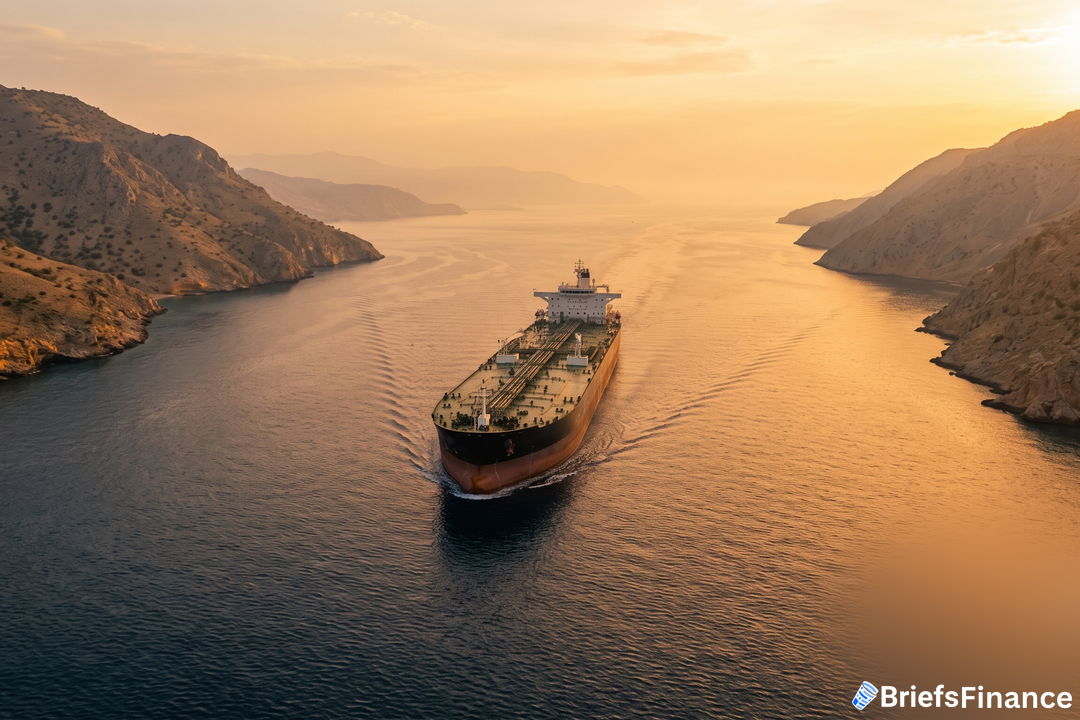
President Donald Trump claims the Strait of Hormuz is open to all countries except Iran. According to maritime data provider Windward, only nine vessels passed through the strait on Saturday, a sharp decline from the 30 to 40 tankers and bulkers seen each day earlier last week.
How We Got Here
The conflict escalated after the U.S. and Iran disagreed on how the strait was supposed to reopen under a June 17 interim peace deal. Iran's Islamic Revolutionary Guard Corps (IRGC) attacked a container ship. In response, the U.S. launched airstrikes on 140 Iranian targets last Saturday.
Iran retaliated by striking U.S. military facilities, according to state news agency Tasnim. Trump then announced he was reinstating the blockade. "We are reinstating the THE IRANIAN BLOCKADE, so named because it is only stopping Iran's ships or customers from entering or leaving," he said. "All other countries will have fair and open use of the Strait."
The U.S. Central Command pushed back. "U.S. forces are positioned and prepared to ensure that freedom of navigation remains available despite unwarranted Iranian aggression," Centcom said. "Iran does not control the strait. Traffic is flowing."
Get the market news that matters in a five-minute read with Market Briefs, our free daily newsletter
Context: The Strategic Importance
The Strait of Hormuz is a narrow waterway between Iran and Oman through which roughly 20% of the world's oil passes daily. The current crisis began in late February after a breakdown in negotiations, leading to a series of escalating attacks and military responses. The U.S. has positioned forces to ensure freedom of navigation, but the drop in traffic suggests the blockade is effectively limiting shipments. This chokepoint has been a flashpoint for decades, and the latest moves by both sides have raised fears of a prolonged disruption to global energy supplies.
The impact extends beyond oil prices. With global inventories already declining, each day the strait remains effectively blocked compounds the supply shortfall, raising the risk of a sharp economic slowdown in importing nations.
The Numbers Tell the Story
Brent crude, the international benchmark, hit $80 per barrel, also up 5.3%.
But traffic has collapsed. David Fyfe, Argus's chief economist, noted that the actual daily flow in recent days has fallen to single-digit numbers.
That sharp drop means less oil moving to global markets. And it comes after months of drawing down stockpiles. "We've been drawing down stockpiles consistently since late February when the crisis began," Fyfe said.
What's Next
Fyfe also highlighted an underappreciated development: Russia has halted diesel exports to the world market. That is shrinking supply from another major source at the same time the strait is tightening.
Combined, these forces could push oil prices "significantly" higher, Fyfe said. Investors already saw a 5.3% jump in a single day.
Join Market Briefs, our free daily newsletter, for a quick daily rundown of the markets