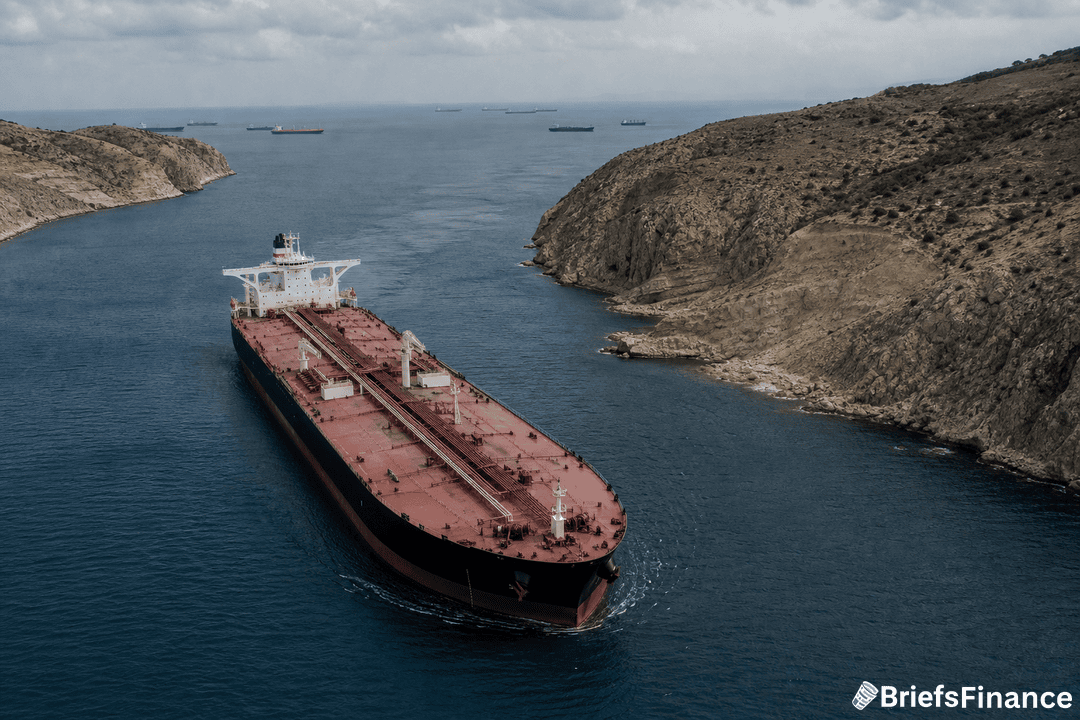
The Strait of Hormuz rarely makes headlines - until fuel prices spike. Roughly one-fifth of the world's oil passes through this narrow waterway between Iran and Oman. When disruptions occur, drivers feel it at the pump immediately. Right now, the situation is tense, with Tehran making threats and Washington sending mixed signals, yet ships are still moving through - just not as many as usual.
Iran's Revolutionary Guard announced Wednesday that Tehran and Oman have finalized terms for a deal to keep shipping safe through the strait. The agreement includes a disputed plan for sharing revenue from managing the waterway. However, the Guard also warned that the strait would remain closed unless Washington meets Tehran's conditions, according to the semi-official Tasnim news outlet.
On Tuesday, Iran and Oman issued a joint statement saying their foreign ministers discussed a "proposed framework" for a temporary joint shipping corridor and a joint demining project. Technical talks are expected to continue on a permanent corridor, traffic control, and navigational services.
The numbers, however, tell a quieter story. Only five cargo ships crossed the strait on Tuesday, compared to a 10-day average of 15, based on preliminary data from Kpler. That represents a significant drop for a waterway normally bustling with tanker traffic.
In Washington, President Donald Trump downplayed the situation during a radio interview with conservative host Glenn Beck. He described the strait as "a very functioning" route, adding: "We take a lot of ships through the strait now. We're taking them in. Every once in a while there'll be a drone or a rocket or something shot, but it is a very functioning strait. A lot of oil is pouring out."
The money story behind the headlines is usually the part that matters. Join Market Briefs free and get it every morning.
Treasury Secretary Scott Bessent also signaled flexibility on enforcement. He had pledged Monday to launch an "economic D-day" against Iran, going after its supporters and trade allies, naming 60 individuals, companies, and ships. But Bessent then suggested there is room to maneuver before things escalate. "Why would I want to blow up the global financial system?" he asked, adding that people should get a "cure period" before action speeds up.
Meanwhile, Russia's RIA Novosti reported Tuesday, citing Iranian and Pakistani sources, that Washington and Tehran were set to unveil a new ceasefire agreement within days. That report remained unverified, and the White House declined to comment.
For markets, the immediate effect has been a cooling of oil prices. Brent crude dropped below $90 per barrel overnight - welcome news for anyone who drives, flies, or buys goods that travel by ship. The bigger question is what happens next with China, which purchases roughly 90% of Iran's oil exports. A Chinese Foreign Ministry spokesperson warned Tuesday that Beijing "will take all necessary measures to firmly safeguard its rights and interests" if the U.S. expands economic pressure on countries trading with Tehran.
That threat carries weight because China is Iran's main crude customer. If Washington really goes after Chinese buyers, the response could ripple through global markets in unpredictable ways.
For now, the picture is mixed. And oil prices are reacting to every headline.
The takeaway for your portfolio: keep watching this story. Shipping routes, oil prices, and big-power standoffs have a way of moving markets quickly. The fact that a deal is on the table is a positive sign, but the gap between what Iran says and what the U.S. does remains wide.