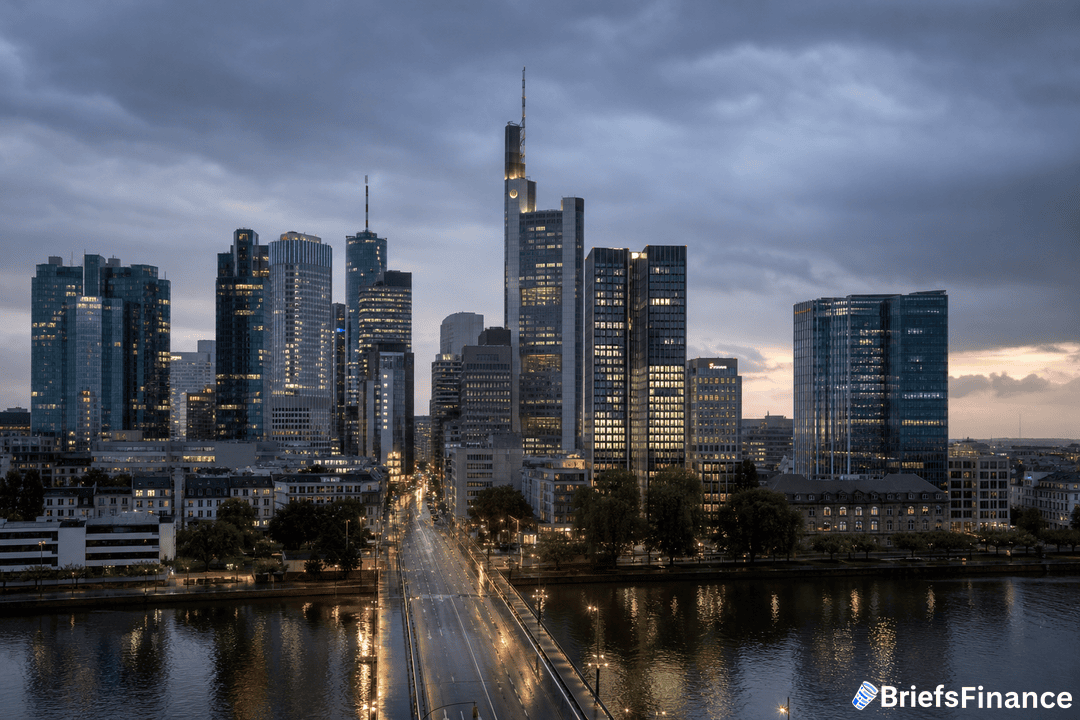
Germany's finance minister is pointing a finger straight at the White House over the rising borrowing costs that are squeezing economies across Europe.
"I want to say here in all clarity and directness - the rising rates in the last days and weeks are the consequence of global uncertainty brought about by the war that Donald Trump started in Iran," Klingbeil said.
What's Happening With Bond Yields
When government bond yields rise, it means borrowing gets more expensive for countries, companies, and everyday people taking out loans. Germany, Europe's largest economy, has been caught up in a market move that pushed government bond rates to their highest point since the global financial crisis.
Investors are getting nervous about inflation and how much governments are spending, and that anxiety is showing up in the rates they demand.
Klingbeil didn't soften his message. He said the higher yields are making Europe's economic pain worse, including higher gas prices. The disruption to worldwide energy supplies from the Iran conflict is rippling through markets in every direction.
The finance minister is known for speaking bluntly about Trump's policies, and this was no exception. He assigned responsibility for the rate spike directly to the White House.
A few minutes a day is enough to stay genuinely informed about your money. Join Market Briefs free and start tomorrow.
The Broader Picture
The forces keeping rates high go beyond the Iran war. Record levels of government debt, more corporate bond issuance, and uncertainty about Federal Reserve Chairman Kevin Warsh's strategy are all playing a part.
Treasury Secretary Scott Bessent has tried to push back by buying back a large part of longer-term debt. So far, that effort has not worked.
This is not the first time Klingbeil has tied Germany's fiscal problems to Trump. He blamed the drop in projected tax revenue on "Trump's reckless war and the resulting global energy price shock."
That May warning is now showing up in the bond market. When governments collect less tax money, they need to borrow more. When they borrow more, investors want higher returns. It becomes a cycle that feeds on itself.
What It Means for Your Portfolio
The August 24, 2026 date on the calendar is not just another day. It marks a moment when investors around the world are recalibrating what they expect from bonds, and that shift touches everything.
If you hold bond funds in your portfolio, higher yields mean the value of existing bonds has dropped. New bonds pay more, which is good for future income but painful for current prices. For stocks, higher borrowing costs can squeeze company profits and make growth harder to fund.
The energy piece matters too. When gas prices climb in Europe, that shows up in household budgets and business costs. Those costs eventually find their way into the prices you pay at the store.
The bigger question is how long this lasts. Klingbeil's blunt assessment puts the blame squarely on a conflict that shows no signs of winding down. Until that changes, the uncertainty driving rates higher has a reason to stick.
For investors, the takeaway is simple. The bond market is sending a loud signal about risk and inflation, and it is worth paying attention to what it is saying.
Rates, prices and policy all end up in your budget eventually. Get the free Market Briefs daily newsletter and see it coming.