What Just Happened
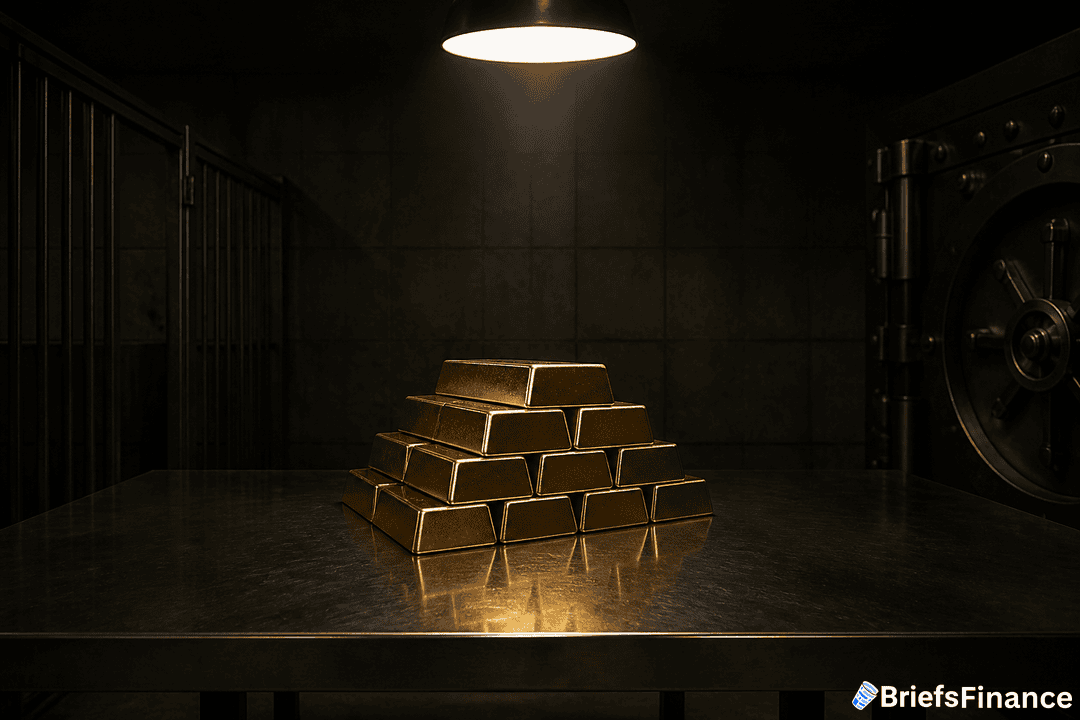
Political chaos in Washington has a way of rattling markets. Right now, it is pushing investors toward gold and Bitcoin and away from the US dollar, and Wall Street has a name for the move: the debasement trade.
The idea dates back to ancient rulers like Nero and Henry VIII, who literally shaved precious metal out of coins to stretch their budgets. Today's version is less about metal and more about trust, but the logic is the same: when governments borrow recklessly, the money you hold loses value.
The immediate trigger came from Treasury Secretary Scott Bessent, who made two moves on August 24, 2026 that pushed the dollar down. He helped support the Japanese yen, and he announced plans to at least double the size of Treasury buybacks for long-term bonds with 10- to 30-year maturities.
Those buybacks are meant to restrain long-term borrowing costs, but they have a side effect. Deutsche Bank's George Saravelos told clients that if Treasury prices are not "allowed" to adjust down, the dollar must weaken instead to balance things out for foreign investors.
When the dollar loses value, your purchasing power drops, so get the free Always Be Buying E-Book to invest consistently
The dollar had already fallen almost 10% in 2025, its worst year since 2017, while gold soared 65%. The trade kept gaining steam through 2025 as Trump's tariffs and government shutdown fears made the fiscal deficit a hot topic.
Why the Worry Is Growing
The US national debt burden keeps rising, and the interest payments are getting heavier. The government borrowed heavily during Covid to avoid recession, that spending fueled inflation, and the Fed's sharp rate hikes worked but made debt servicing painfully expensive.
Brookings Institution economist Robin Brooks says the Treasury is "playing with fire." He warns that capping long-term yields without fixing the underlying fiscal problem could shift the strain from bonds to the currency, turning a debt crisis into a currency crisis, and he points to Japan's long yen slide as a warning.
Central banks have also been buying gold as a hedge against currency weaponization, a concern that intensified after the U.S. used its central position in the global dollar system to cut Russia off from international financing following the invasion of Ukraine. Since gold is priced in dollars, a weaker dollar naturally lifts gold prices, and its supply is limited by geology rather than politics, making it a long-term store of value.
What It Means for Your Portfolio
The dollar did recover early in 2026 after Kevin Warsh was chosen to lead the Federal Reserve and made price stability his priority, since higher rates usually boost a currency. But late in 2026, speculation that Warsh's Fed might not raise rates as expected sent investors selling dollars again.
Not everyone is convinced the debasement trade is real. Skeptics note that foreigners still hold massive amounts of US debt, and a strong stock market forces overseas buyers to acquire dollars. Spectra Markets president Brent Donnelly initially read Bessent's announcement as a cue to buy Bitcoin and short the dollar, but he changed his mind because the buybacks were tiny compared with the entire Treasury market.
Some investors have been buying gold and Bitcoin as hedges against a possible US debt crisis. Whether you follow their lead depends on your view of one question: can Washington get its borrowing under control, or is the slow erosion of the dollar's value just getting started?
As the debasement trade pushes money into gold, the Always Be Buying E-Book offers a simple path to wealth