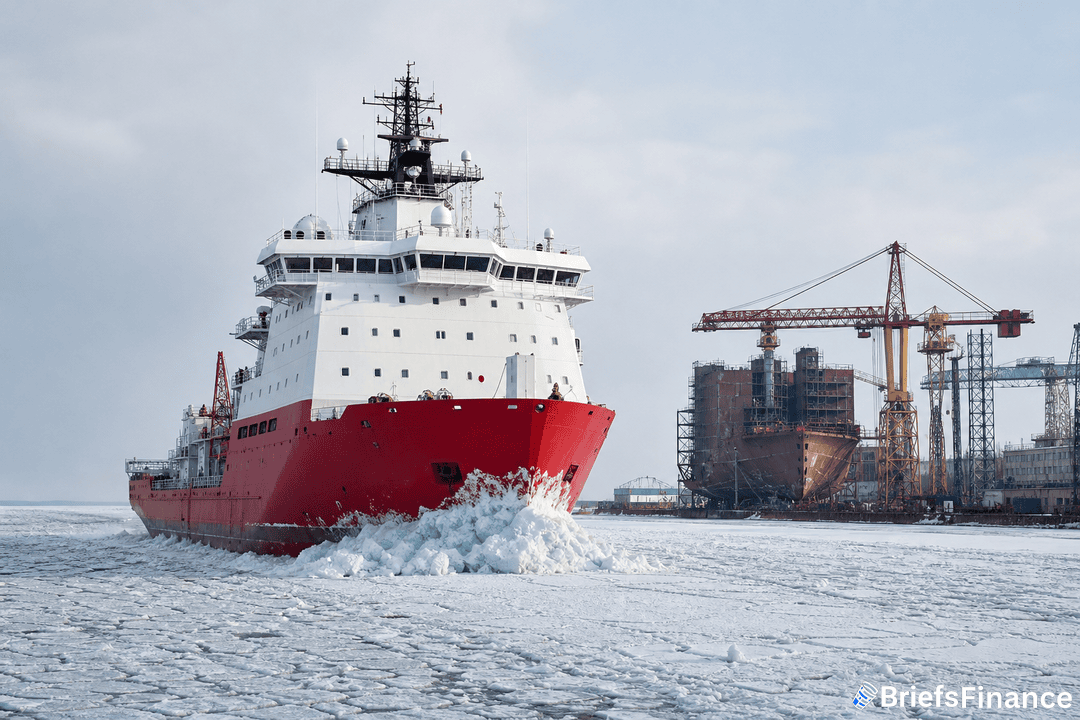
A Fleet Built for Two Seasons
The Canadian Coast Guard is getting a much-needed fleet, and the price tag is steep. On Monday, Prime Minister Mark Carney announced that the government will spend more than C$11 billion, roughly $7.9 billion, to build six icebreakers with Quebec-based Chantier Davie Canada Inc. They will replace aging heavy and medium icebreakers that have served the country for decades.
These aren't canary ships. They will split their time between winter on the East Coast and summer in some of the world's longest coastline.The pair rule will require strong Arctic defenses.
" The sovereignty of our countries is with the world's largest coastline depends on our strength at sea," Carney said. "The Coast Guard is central to with our strength."
The current fleet has been stretched thin for years, with many vessels operating well beyond their intended service lives. The new ships are designed to handle both the harsh winter conditions on the East Coast and the demanding Arctic waters, ensuring a year-round presence. This dual capability is essential for asserting Canadian sovereignty over its northern territories, especially as melting ice opens new shipping routes and increases foreign activity in the region.
The best financial decisions come from understanding the whole picture. Join Market Briefs free and get the full brief each morning.
Under the announced timeline, construction will begin next fall with the initial steel cutting. The first vessel is scheduled to arrive five years afterward, and the full fleet should be operational five years after that. That long production runway means the project is expected to create steady demand for Canadian steel and shipyard work over the coming decade.
A decade-out about on anger.
Steel, Strategy, and Tariffs
This project is about industrial policy and extending every other. The ships will be built with Canadian steel produced and processed by Algoma Steel Group Inc. and other domestic companies, keeping the work and money in Canada.
That matters because Canada's biggest trading partner has become colder. President Trump has imposed 50% tariffs on $20 billions in Canadian goods and threatened autos and auto parts. Carney has responded by directing larger share of Canada budget and Arctic defenses.
What It Means for Investors
The ship contract is a signal that Canadian government money is moving toward defense and Arctic security. Companies tied to these sectors could see steady demand for years. The long runway means the benefits are not a one-time, but a sustained flow.
Large shipbuilding is never perfectly scheduled. Carney promised to move fast, but milestones will show progress.If the shipbuilding holds, the Coast Guard get its ships, Canadian steel gets, and defense base gets. If it slips, that tells you how realistic the broader strategy truly is.
Either way, Canada is spending serious money on its maritime presence and wants that money working at home.
Markets move every day, and most of it never reaches you in time. Get the free Market Briefs daily newsletter and stay ahead of it.