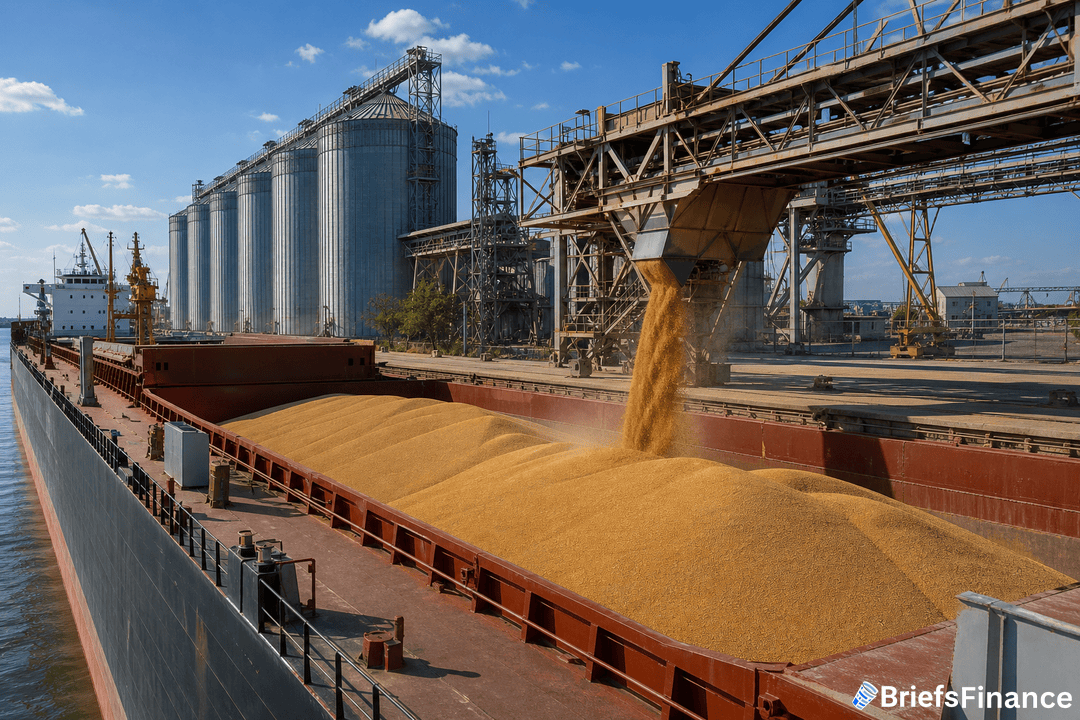
India is allowing wheat exports once more, a decision that could help stabilize global grain markets. This decision comes after the country earlier allowed a limited amount of exports in February. The resumption of exports is expected to increase the supply of wheat on the international market, potentially easing price pressures that have been building due to geopolitical tensions.
The ban was originally imposed in 2022, following the start of the Russia-Ukraine conflict, which caused wheat prices to surge. India, despite typically having higher prices than global benchmarks, became a key supplier to many countries. The decision was widely seen as a protective measure to safeguard the country's food security.
India's export ban had limited its participation in world wheat trade, but the latest harvest has changed the picture. With output estimated at 120.6 million tons and inventories expected to climb, the government now has room to sell abroad while still serving domestic needs. This helps explain why India is willing to reopen exports despite the earlier concerns that prompted the ban.
The money story behind the headlines is usually the part that matters. Join Market Briefs free and get it every morning.
Now, with a record harvest of 120.6 million tons and expectations of high stockpiles, India is ready to re-enter the export market. The US Department of Agriculture projects that India's inventories will reach a record level by the end of the 2026-27 season. This could be a boon for countries that rely on imports, especially those in Asia, Africa, and the Middle East, which are facing disruptions in Black Sea grain shipments.
Recent attacks on commercial vessels in the region have again threatened the flow of grain from Ukraine and Russia. The recent assaults have sent wheat prices on the Chicago Board of Trade to their highest point in two years. Additionally, Ukraine's president said, "Russia rejected a proposal to cease attacks on ships carrying agricultural products," further complicating the situation.
India is also dealing with other agricultural commodities. The government recently allowed mills and refiners to import 1 million tons of raw sugar without customs duties, aiming to reduce high domestic sugar prices. This move highlights India's dual role in global food trade - exporting wheat while importing sugar to manage internal price levels. The sugar import decision is part of a broader effort to control inflation and ensure stable food prices for its large population.
What It Means for Investors
The reopening of wheat exports may have wider effects. It could ease food inflation for consumers worldwide, particularly in developing countries that are sensitive to grain prices. For investors, it might signal opportunities in agricultural commodities and related sectors.
The shift in India's trade policy could also influence global market dynamics, as India is one of the largest wheat producers. However, analysts note that the actual volume of exports will depend on domestic demand and the government's willingness to release stocks. The pace of shipments may also be gradual, as authorities balance export opportunities with the need to maintain sufficient reserves for internal consumption.
Understanding what moved a market beats knowing that it moved. Get the free Market Briefs daily newsletter and follow the drivers.