On Monday, Treasury Secretary Scott Bessent warned that nations continuing to trade with Iran after an unspecified deadline could face economic penalties. He also indicated that President Trump is personally reaching out to key international leaders to press the case.
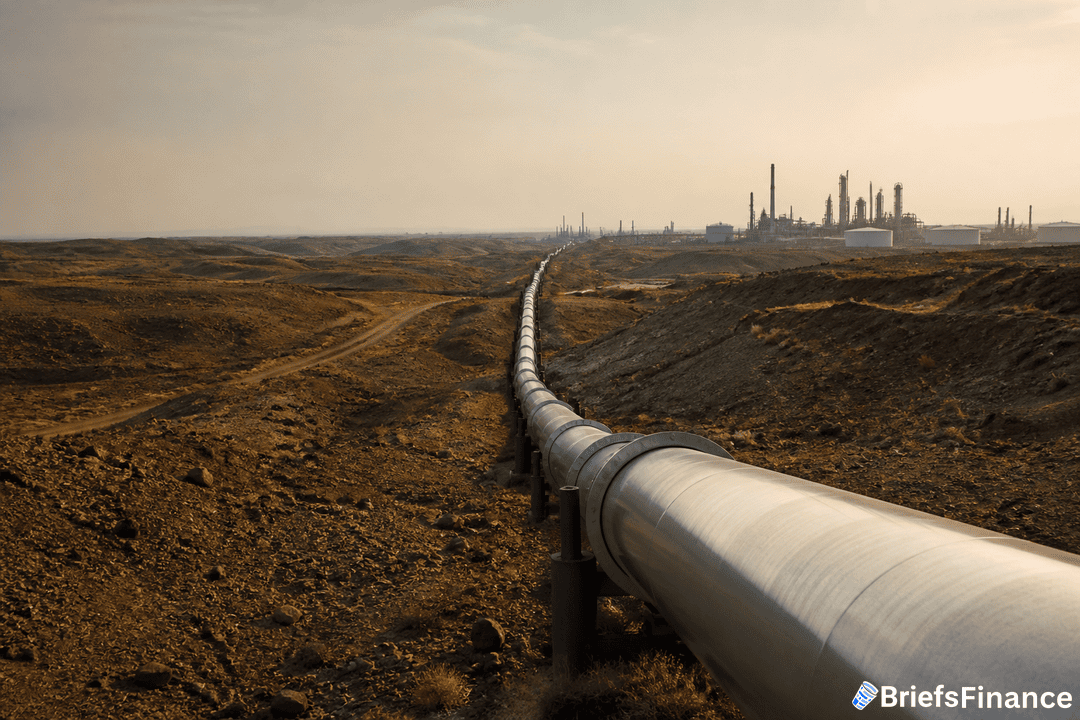
Turkey, a major NATO member and one of Iran's biggest commercial partners, could lose a crucial energy source if Washington follows through on its plan to isolate Tehran. The US has cautioned that ongoing commercial ties with Iran might invite sanctions, potentially pushing Turkey toward more expensive energy imports, such as LNG.
Bilateral trade reached approximately $3.1 billion during January-June, a 3% drop compared with the same period last year. Tourist arrivals from Iran bounced back from an early decline to represent 5.5% of Turkey's total visitors during January-July.
President Erdogan is unlikely to challenge Trump directly. He is working to offload Russian S-400 air defense systems to restart discussions on purchasing US-made F-35s, while also seeking F-16s and rejoining the fighter program. He plans to travel to Washington next month.
Turkey's relationship with Washington has been strained since Ankara purchased the Russian S-400 system in 2019, which led to Turkey's removal from the F-35 program. The potential deal to buy F-16s represents an attempt to repair those damaged ties.
When energy markets get tight, steady investing matters, so grab the free Always Be Buying E-Book for a simple system
"Erdogan would not risk upsetting Trump and jeopardizing improved ties with Washington, especially with elections due in under two years," said Nihat Ali Özcan, an analyst at the Ankara-based Economic Policy Research Foundation (TEPAV).
Gas flows from Iran have continued despite the US and Israeli air attacks that began in late February, with only a temporary halt following an attack on the massive South Pars field. During the NATO gathering in Ankara last month, Trump lavished praise on Erdogan, describing him as very "loyal." The two leaders had a phone conversation last week, as reported by Turkey's state-run Anadolu Agency.
What It Means for Investors
If Turkey is forced to cut Iranian gas imports, it will need to find alternatives. Expanding LNG purchases or tapping pipelines from Azerbaijan or Russia could fill the gap, but at a higher cost. Finding substitutes for the roughly 7.7 billion cubic meters of annual imports would be expensive yet feasible.
Energy analysts note that Turkey has limited storage capacity, making it vulnerable to sudden supply disruptions. The country's reliance on Iranian gas has been a point of concern for NATO allies, who worry about Ankara's energy dependence on Tehran.
The uncomfortable choice for Ankara is clear: align with Washington and risk energy shortages, or maintain ties with Tehran and face economic sanctions. For now, the direction points toward the US, as Ozcan's assessment suggests.
Investors should watch for potential supply disruptions and currency volatility in Turkey should sanctions tighten. Energy import costs could rise, pressuring the lira, but also accelerating investments in LNG infrastructure and renewable projects.
The situation remains fluid, and any significant political shift could alter the calculations. But the trend suggests Turkey is preparing for a future without Iranian gas, even if that means paying a premium. This balancing act will be tested in the coming months as winter approaches and energy demand rises across the region.
As sanctions loom over gas supplies, build wealth on any income with the Always Be Buying E-Book