A Small Signal Toward Movement
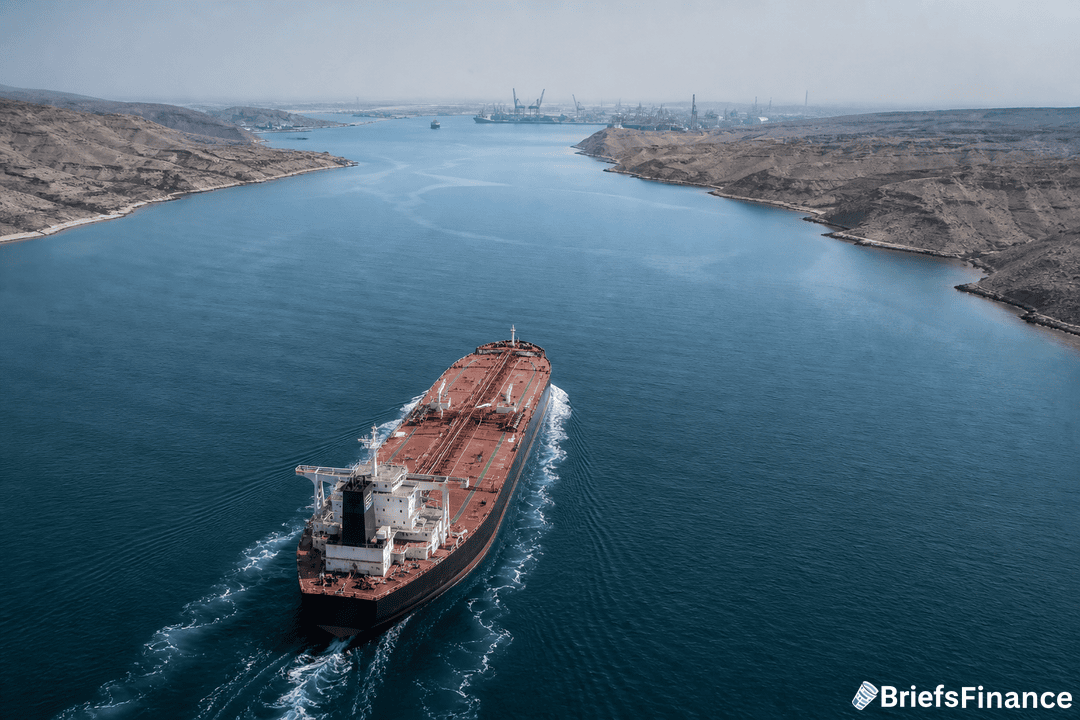
The Strait of Hormuz has been mostly closed since March, when Iran stopped traffic through the waterway after U.S. and Israeli strikes on Feb. 28 killed Supreme Leader Ali Khamenei. The narrow passage between Iran and Oman normally carries roughly 20% of global oil and gas supplies, so the shutdown has sent price ripples through global energy markets.
The disruption has forced shippers to take longer alternate routes, adding days to transit and increasing insurance and freight costs. Many countries have tapped strategic reserves to soften the blow, but the prolonged closure has kept markets volatile. A temporary reopening, even a limited one, would relieve some of that pressure.
After months of deadlock, the foreign ministers of Iran and Oman now say they are exploring a way to get ships moving again. It is not a final deal, but it is the first real sign of diplomatic progress in a long time.
With the strait closed for months, countries have had to rely on emergency reserves that are not meant for long-term use. The longer the passage remains shut, the bigger the strain on supply chains and the harder it becomes for energy markets to return to normal.
What the Proposal Would Do
In a joint statement published by Oman's official news agency, Iranian Foreign Minister Abbas Araghchi and his Omani counterpart Badr Albu salidi discussed an "interim framework" for restarting shipping. The plan calls for a temporary two-way shipping lane and a coordinated demining effort to make the strait safe for transit.
Rates, prices and policy all end up in your budget eventually. Get the free Market Briefs daily newsletter and see it coming.
The short-term goal is to get convoys flowing quickly, with longer-term issues left for later. Additional talks are planned for later stages, with the aim of setting up a lasting corridor, deciding how the strait should be managed over time, and creating shared systems for information sharing, traffic control, and maritime services.
Why the Waterway Was Shut
This is not a routine closure. That fact changed confidence of every country in the region. Because so much global energy used to pass through the passageway, when the route stopped, everyone felt the effects.
On Aug. 25, President Trump said the U.S. Navy had de-mined the strait and was working to resume shipping through the vital waterway. "Iran has been notified that any ship or a boat placing new mines will be immediately and systematically destroyed," Trump said.
But Trump provided no evidence that the strait was actually clear of mines. European officials have been sharp in the past, especially because clearing mines is slow, technical, and dangerous work.
Iran says it is only talking with Oman, the other nation directly on the strait, and that this channel of diplomacy remains separate from stalled talks with Washington.
A Fragile Path Forward
The diplomatic picture remains unpredictable. A tentative agreement to ease shipping through Hormuz could also help restart contact between Tehran and Washington after the 60-day interim nuclear peace deal signed in June. That window earlier closed in mid-August.
The Iran-Oman statement also hinted that the talks could expand to a wider regional format, including additional Gulf and the Persian Gulf countries. Albu salidi's comments backed that idea: regional partners, he said, should not be left without a place in negotiations.
The best financial decisions come from understanding the whole picture. Join Market Briefs free and get the full brief each morning.