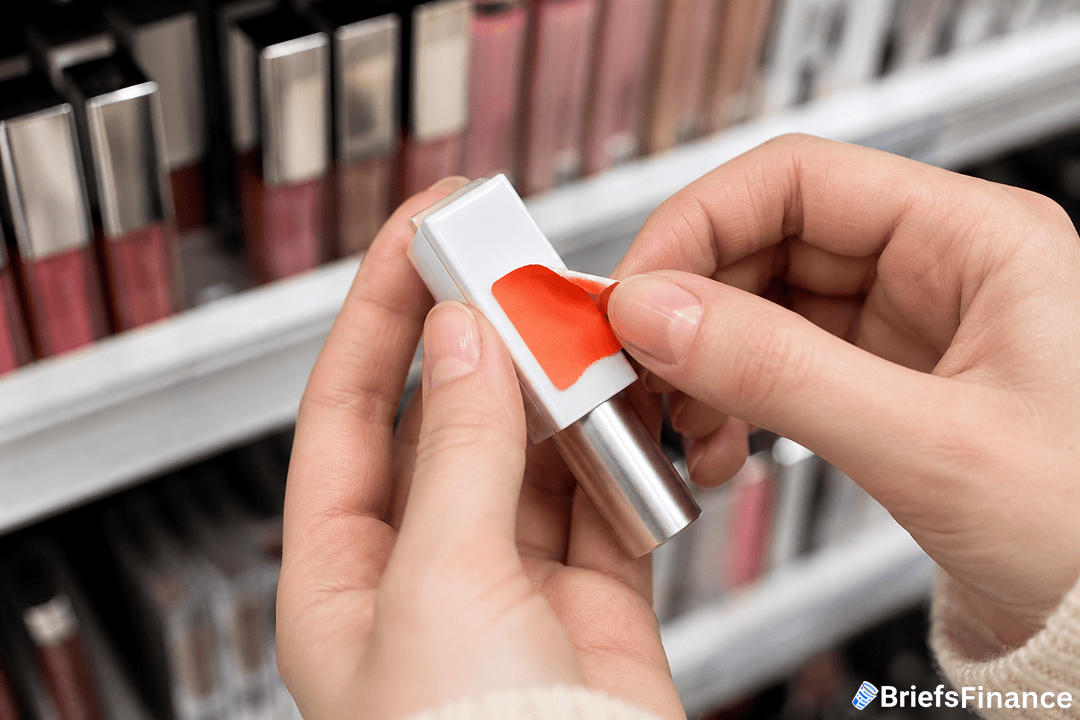
After trade negotiations collapsed, the US imposed a new 50% duty on hundreds of Canadian goods, including tulip bulbs, winter jackets, wooden frames, and cosmetics. On Tuesday, Canada countered with its own 50% duty on a list of US beauty products, effective Sept. 8. Shoppers on either side of the border could feel the pinch.
Bryce Gruber, a lifestyle influencer and shopping editor, noted before the talks hit their deadline that numerous well-known cosmetics sold in the US are manufactured in Canada.
In a video shared on Instagram and TikTok, Gruber said, "A good chunk of L'Oréal products are coming out of Canada. Remember L'Oréal owns a lot of different brands, not just the affordable drugstore stuff."
People with knowledge of the situation say L'Oréal SA is a major beauty firm affected by the latest tariffs because it manufactures in Canada. According to L'Oréal's website, its Canadian unit lists 39 brands, over 1,700 staff, and multiple sites, including a Quebec factory and distribution hub.
Markets move every day, and most of it never reaches you in time. Get the free Market Briefs daily newsletter and stay ahead of it.
In an interview, Gruber said, "People are very interested in products that work very well, but are not expensive. And who is dominating that right now? L'Oréal." She also described The Ordinary as a beauty "hero" because its skincare formulas are simple and inexpensive.
"If there's a 50% tariff, you're no longer looking at a $10 impulse purchase," Gruber said. "For the average American woman that becomes a, 'I don't know if I need it.'"
If businesses eat some or all of the duties instead of passing them on, the tariffs still reshape cross-border cosmetics economics and could push shifts in pricing, production, and logistics.
L'Oréal did not reply to requests for comment.
What the Tradeoffs Mean for Consumers
The tariffs come at a time when beauty sales are already under pressure from rising inflation. Many shoppers have traded down to value brands, making the $10 price point especially attractive. If the duty pushes prices higher, that could accelerate the shift to private-label or drugstore options.
Some companies might consider moving production to the US, but that takes time and capital. In the short term, the tariffs will likely create uncertainty for both retailers and consumers, potentially shrinking the impulse-buy segment that has been a bright spot for the industry.
For the industry, the bigger worry is not the price of a single shadow or lipstick but how the duties disrupt the deeply connected North American supply chain. US International Trade Commission data show that in the previous year, Canada ranked second, behind South Korea, as a supplier of beauty and skincare goods to the US. Major US labels and domestic Canadian manufacturers both make up the sector. Tariffs on that flow can be exceptionally disruptive to distribution and margins, so the $10 impulse now carries a much larger hidden fee - and that affects the way shoppers and companies think about the makeup aisle.
The money story behind the headlines is usually the part that matters. Join Market Briefs free and get it every morning.