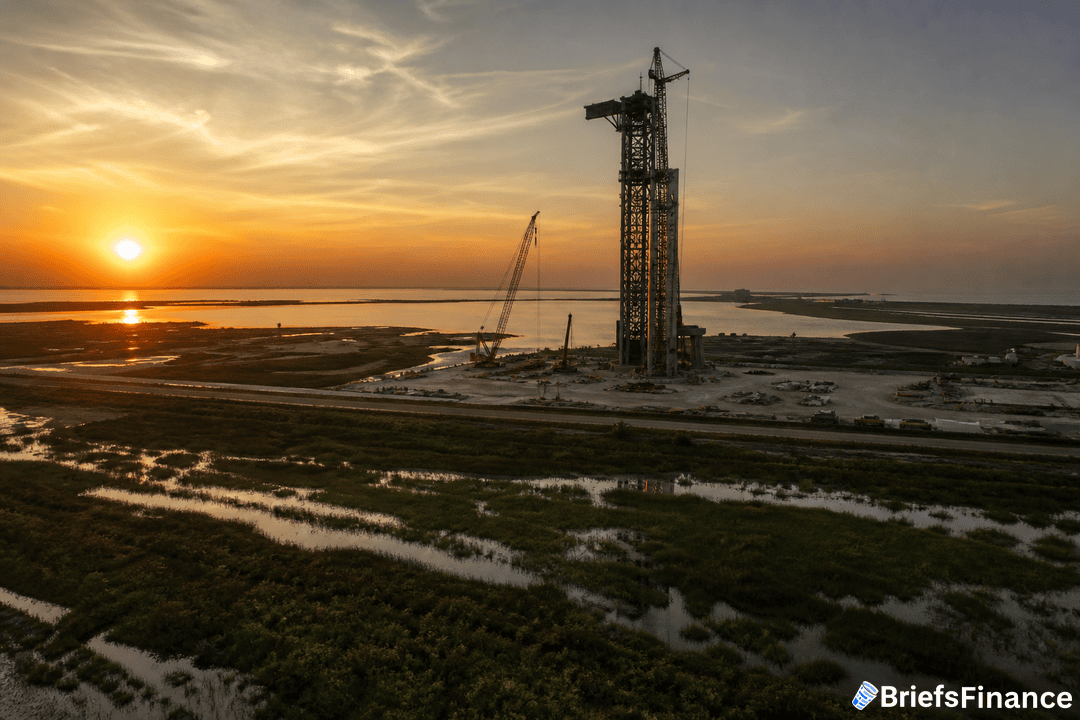
SpaceX announced Tuesday that it plans to build a massive new launch facility in Louisiana/), with a price tag that sounds more like a small country's budget than a construction project. The company says it will invest up to $100 billion in a site called Starbase, LA, built on land in Vermilion Parish that Exxon previously owned.
The move is a big deal for the state, but it's also a window into how Elon Musk's companies are spreading across the South. And for anyone watching where the money is going, this project is about a lot more than getting rockets off the ground.
Why Louisiana Won the Spaceport
SpaceX spent roughly seven years scouting locations before picking Vermilion Parish. The company already operates launch sites elsewhere, but this one is meant to be different. Starbase, LA, is designed to handle thousands of launches per year and will become the main hub for Starship, the largest rocket ever constructed.
The site will be the fourth launch location for SpaceX, which has also moved through California, Texas, Tennessee, and Mississippi. Louisiana's appeal comes down to geography. A coastal location with open water nearby gives rockets a clear path for launches, and the state's political leadership has made clear it wants the business.
Louisiana Governor Jeff Landry signed laws in May that make trespassing at a spaceport a crime, a practical step that signals the state is clearing the way for the project to move fast.
Markets move every day, and most of it never reaches you in time. Get the free Market Briefs daily newsletter and stay ahead of it.
The Numbers Behind the Bet
The scale of this project is hard to overstate. SpaceX is talking about pouring $100 billion into the site over time. Louisiana's own estimates say the spaceport will create 3,000 direct jobs, with another 8,100 indirect jobs expected to follow. Musk has described the workforce potential as "probably 10,000 really exciting jobs," which suggests the actual total could climb higher once operations ramp up.
The 2% move may not sound dramatic, but keep in mind the company is already valued at roughly $2 trillion. A 2% move on that base is a lot of money changing hands.
Starlink expansion, orbiting data centers, and even the long-term goal of colonizing Mars all ride on Starship working as planned.
The Bigger Picture
This isn't just a rocket story. It's a story about where Musk is choosing to put his chips down. Tesla moved its headquarters to Texas, where it runs a large vehicle assembly plant and tests its Robotaxi and Cybercab programs.
Musk's AI company built data centers near Memphis, Tennessee. And a significant new AI chip manufacturing facility is planned for Grimes County, Texas, involving Tesla and SpaceX.
Louisiana now joins that list. The pattern is clear: Musk likes states that make it easy to build fast and cheap, and those states are eager to say yes.
There is one wrinkle worth noting. The road to this announcement has not been perfectly smooth. During the first Starship test flights, the launchpad cracked under the force of the rocket's engines, and debris scattered across a protected state park in Texas.
More recently, in 2024, regulators raised concerns about SpaceX's environmental practices. Those are the kinds of problems that tend to follow any project moving at Musk speed.
For investors, this project is a reminder that the space economy is becoming a real, physical thing. It is no longer just satellites and launch contracts. It is construction crews, power grids, and state legislation. The opportunity is enormous, and so is the risk of putting too many eggs in one basket.
The money story behind the headlines is usually the part that matters. Join Market Briefs free and get it every morning.