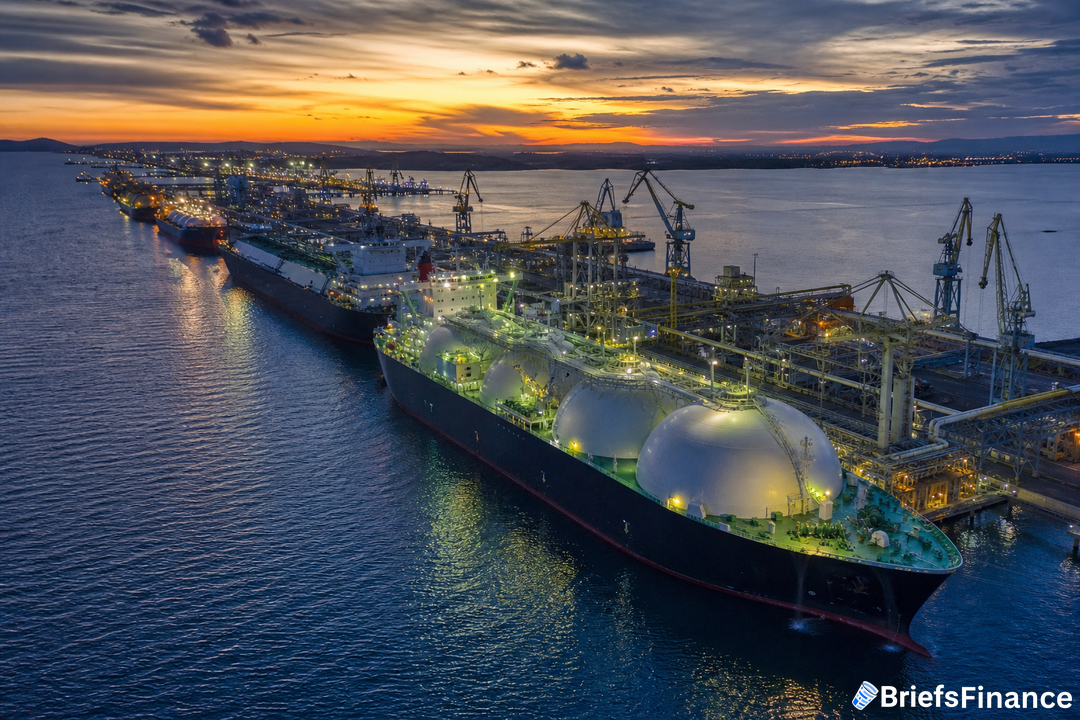
The Iran war has made moving energy by sea a lot more expensive, and one Middle Eastern giant is responding by buying up ships.
Adnoc's shipping division just added two more LNG carriers to its fleet, bringing its overall spending on vessels this year to $2.7 billion.
Adnoc, the Abu Dhabi National Oil Company, has been aggressively expanding its shipping capabilities to secure its energy exports. The company's logistics arm, ADNOC Logistics & Services, plays a crucial role in transporting crude oil, refined products, and liquefied natural gas. With the recent addition of two LNG carriers, the fleet is set to grow to 24 vessels, with 14 more on order.
This expansion aligns with the UAE's strategy to boost hydrocarbon output and solidify its position as a reliable energy supplier. The investment in new ships also reflects a broader industry trend where energy firms are taking control of their supply chains to mitigate risks from geopolitical tensions and volatile freight rates.
The Latest Purchase
The two new ships cost $444 million, and they are scheduled for delivery in 2029. That purchase is part of a bigger buying spree that includes both brand-new orders and deals for existing vessels.
When shipping markets get turbulent, consistent investing wins, so get the free Always Be Buying E-Book to build wealth on any income
Freight costs have jumped since the conflict began, which makes having your own vessels a serious advantage. A company spokesperson said, "having its own fleet has helped it keep moving cargo through the Strait of Hormuz during the fighting," a route that carries a huge share of the world's oil and gas.
Why the Fleet Matters
This is not just about replacing old ships. The UAE has shifted its focus toward increasing both oil and natural gas production, so it needs the ability to move all that extra output to buyers.
The aggressive vessel acquisition program reflects a broader strategy that goes beyond the current conflict. Energy companies worldwide are reassessing their supply chains as geopolitical risks continue to reshape global trade routes. The Strait of Hormuz, through which a substantial portion of the world's hydrocarbons passes, has become a critical chokepoint that shipping operators must navigate carefully.
By controlling a larger share of its own logistics network, Adnoc aims to reduce its exposure to volatile spot-market rates that have spiked dramatically since the war began. This approach also gives the company flexibility in scheduling deliveries and maintaining reliable supply relationships with customers across key global markets.
The bottom line: When a major energy producer decides to spend billions on ships during a war, it is a strong signal about where it thinks the market is headed. The UAE is positioning itself to be a bigger player in global gas trade, and it is making sure it has the transportation to back that up.
For investors, this is worth watching because it shows how energy companies are adapting to a riskier world. Owning the ships that carry your product is becoming a strategic necessity, not just a cost decision, and the companies that figure that out first may have an edge.
For steady returns despite energy price swings, download the Always Be Buying E-Book and start your simple savings plan