What happened
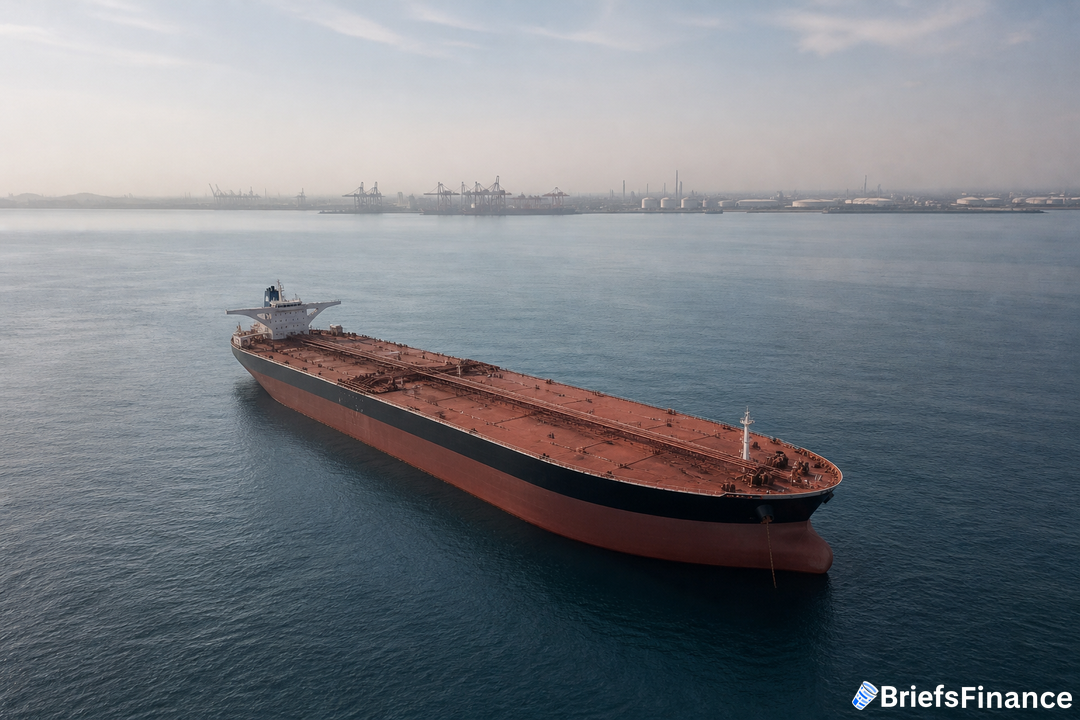
Escalating Iranian attacks are squeezing one of the key waypoints used to move oil during wartime. Fresh tanker-positioning data compiled by Bloomberg shows multiple empty supertankers that were approaching the UAE port of Fujairah have stopped or turned back in recent days. Other ships are still pressing into the region, but the visible retreat near a chokepoint that has seen frequent incidents, some close to Fujairah itself, is raising new doubts about how reliably crude can keep moving through the Strait of Hormuz.
Empty tankers turning back is a physical signal of oversupply or risk. Market Briefs covers shipping free every weekday.
How the workaround for Gulf exports works
Ships frequently log Fujairah as an interim stop before proceeding to the Gulf of Oman for ship-to-ship transfers, or else pressing onward to the Persian Gulf. As a result, how many vessels broadcast Fujairah as a destination serves as a loose gauge of operators' appetite to get closer to the strait. The current setup has large crude carriers waiting near Fujairah and in Oman's waters beyond Hormuz while shuttle tankers take the riskier run through the strait, bring out crude, and transfer it to the bigger ships for onward delivery.
Why the pullback matters for your portfolio
The system relies on a steady pool of empty VLCCs ready to receive barrels. If those ships pull back in large numbers, exports can slow and shuttle tankers get tied up longer at a time when available tonnage is already tight. The economics are eye popping too.
A global tanker shortage has sent rates soaring, to the point that booking a ship from the US to China is now pricier than sending a rocket to space. If you care about prices at the pump or anything moved by diesel, congestion here has a way of showing up in everyday costs.
Where vessels go, and do not go, prices the market in real time. Join Market Briefs free and read the signal.