Free NewsletterPro Login

Empty Tankers Are the Better Oil Price Signal

Published Jun 16, 2026
Share:
Summary:
  • Inbound empty tankers at the Strait of Hormuz signal future crude supply weeks before outbound cargo data reflects any change.
  • About a fifth of the world's oil moves through Hormuz daily, with the bulk headed to China, India, Japan, and South Korea.
  • When ship owners pull back on sending empty tankers in due to insurance costs or security risk, a real supply gap follows shortly after.

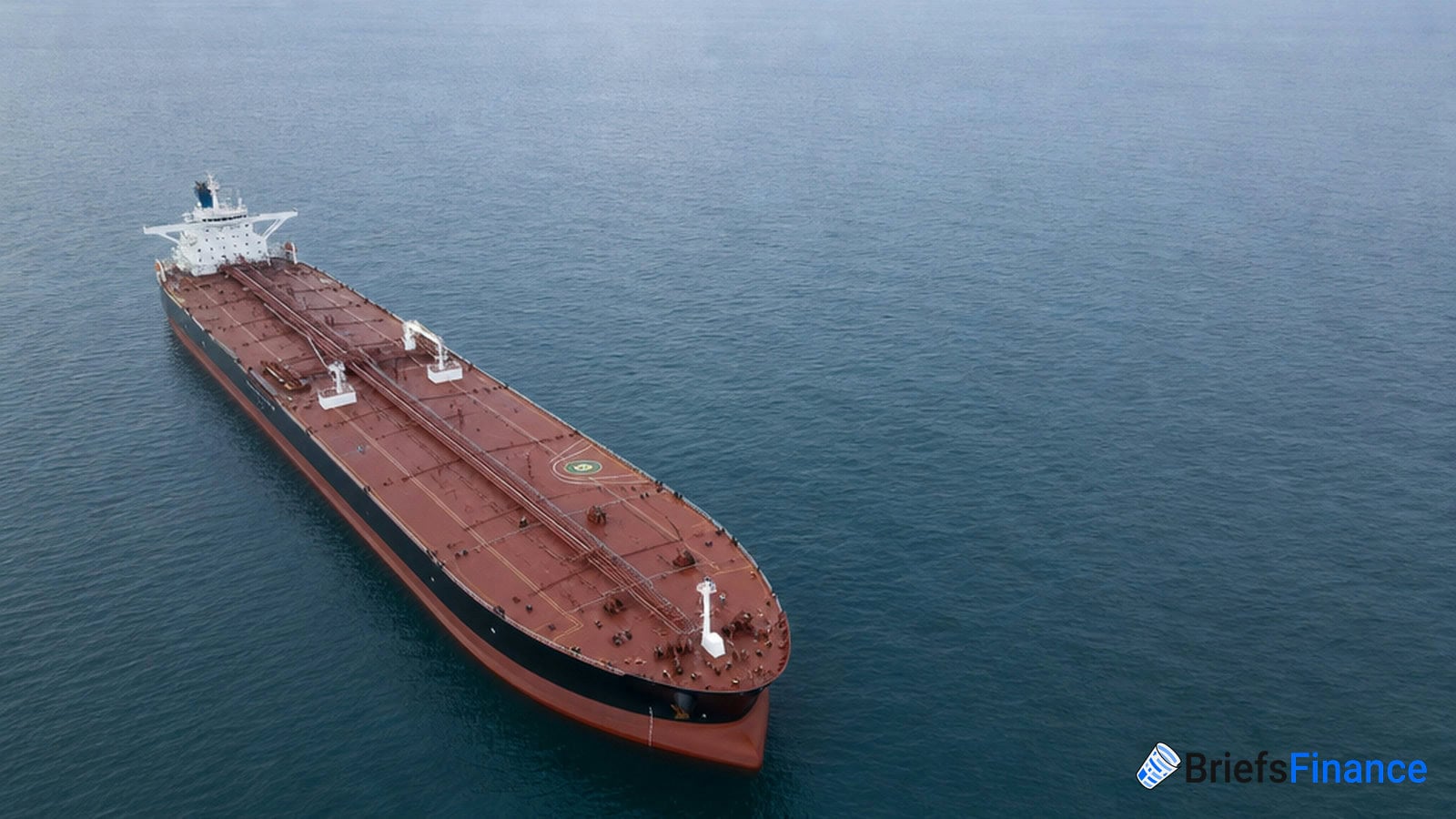
Everyone watches full tankers leaving the Persian Gulf. The smarter number is the empty ones going in.

Empty tankers head into the Gulf to load crude, coming back out full days later. That means today's empty traffic is tomorrow's actual oil supply.

What the Inbound Count Actually Shows

When ship owners send empty tankers into the Strait of Hormuz, it's a vote of confidence. They're willing to eat the insurance hit, the war-risk premium, and the route through one of the most watched waterways on the planet - because they expect to get paid on the other side.

When those empties stop showing up, it's the first sign something is wrong.

Loadings dry up, cargoes get delayed, and the supply hit lands on global markets weeks later - after the already-loaded ships have made their runs.

That's why the inbound count tells a different story than the outbound one. The outbound number shows what already happened, while the inbound number signals what's coming.

We break down what numbers like this actually mean for oil prices in Market Briefs - delivered every weekday morning, plus a free 45-minute investing masterclass when you join.

Why the Strait of Hormuz Matters

About a fifth of the world's oil moves through the Strait of Hormuz every day, making it the main artery for crude headed to Asia - especially China, India, Japan, and South Korea, which together take the bulk of it.

Anything that scares ship owners away from going in empty - higher insurance costs, military activity, attacks on vessels - pulls future supply off the table. And because tankers take weeks to load, sail, and unload, the gap between an empty-tanker pullback and a real shortage at the pump is short.

It's the difference between watching the score and watching the play that's about to score.

Worth Noting

Oil prices already react to headlines out of the Gulf, but the empty-tanker number reacts before the headline lands. For anyone trying to figure out where crude is headed, it's the cleaner read.

If you want this kind of read on the market every day, join 350,000+ investors reading Market Briefs [NEEDS MANUAL VERIFICATION - subscriber count] - the daily newsletter comes with a free investing course as a bonus.

Disclosure

Get Market Briefs delivered to your inbox every morning for free!

No fluff. No noise. No politics. Just finance news you can read in 5 minutes.

Blogs

June 16, 2026
Tech Stocks: A Simple Guide for New Investors
  • Tech stocks are companies in the information technology and related sectors, from software to chips to the internet giants.
  • They've driven much of the market's growth, but they can be volatile and richly valued.
  • The smart approach is to understand what you own and not let one sector run your whole portfolio.
Read More
June 16, 2026
What Is a Joint Stock Company? A Simple Guide
  • A joint stock company is a business owned by many people, each holding shares of stock that represent a slice of ownership.
  • It's the basic idea behind every public company you can buy on the stock market today.
  • Owning a share makes you a part-owner, entitled to a piece of the profits and growth.
Read More
June 16, 2026
Capital Gains Tax in California: A Simple Guide
  • Capital gains tax is what you owe when you sell an investment for more than you paid for it.
  • How long you held it matters: long-term gains are taxed more gently than short-term gains at the federal level.
  • Smart investors lower the bill with tools like tax-loss harvesting and holding for the long run.
Read More
June 15, 2026
Top Covered Call ETFs: How to Compare Them
  • Top covered call ETFs are income funds that own stocks and sell call options against them to generate steady cash.
  • The best one for you is the fund whose income, holdings, and fees fit your goals, not simply the one with the flashiest yield.
  • They all share one trade-off: more income today, less upside in a big rally.
Read More
June 15, 2026
What Are Stock Options? A Plain-English Guide
  • Stock options are contracts that give you the right, but not the obligation, to buy or sell a stock at a set price by a set date.
  • There are two kinds: calls (the right to buy) and puts (the right to sell).
  • Options can multiply gains or wipe out your money fast, so they suit investors who already know the basics.
Read More
June 15, 2026
EBITDA Margin: What It Is and How to Calculate It
  • EBITDA margin measures how much core profit a company keeps from each dollar of sales, before interest, taxes, and accounting deductions.
  • The formula is EBITDA divided by revenue, shown as a percent.
  • A higher, steadier EBITDA margin usually signals a more efficient, more durable business.
Read More
June 15, 2026
What Is Taxable Income? A Simple Guide for Investors
  • Taxable income is the portion of your money the government can tax after deductions are applied.
  • Not all income is taxed the same: job income, investment income, and passive income face different rates.
  • Investors and business owners get more tools to legally lower their taxable income, which is a big edge over time.
Read More
June 15, 2026
What Is a Covered Call? How the Strategy Works
  • A covered call is an options strategy where you own a stock and sell someone the right to buy it from you at a higher price.
  • You collect cash, called the premium, up front, and keep it no matter what happens.
  • The trade-off: if the stock soars, your shares get sold at the set price and you miss the extra upside.
Read More
June 15, 2026
What Is Gross Margin? A Simple Guide for Investors
  • Gross margin is the share of each sales dollar a company keeps after paying the direct cost of whatever it sold.
  • The formula is simple: revenue minus cost of goods sold, divided by revenue, shown as a percent.
  • A steady or rising gross margin points to pricing power, and it is one of the first things smart investors check.
Read More
June 15, 2026
What Is a Dividend? A Plain-English Guide for Investors
  • A dividend is a cash payment a company sends you just for owning its stock, usually every three months.
  • Dividends are one of two ways stocks pay you, the other being the share price going up.
  • Dividends are never guaranteed, so the strength of the business behind the payment matters more than the size of the payment.
Read More
1 2 3 23
Share via
Copy link











