The announcement and the site
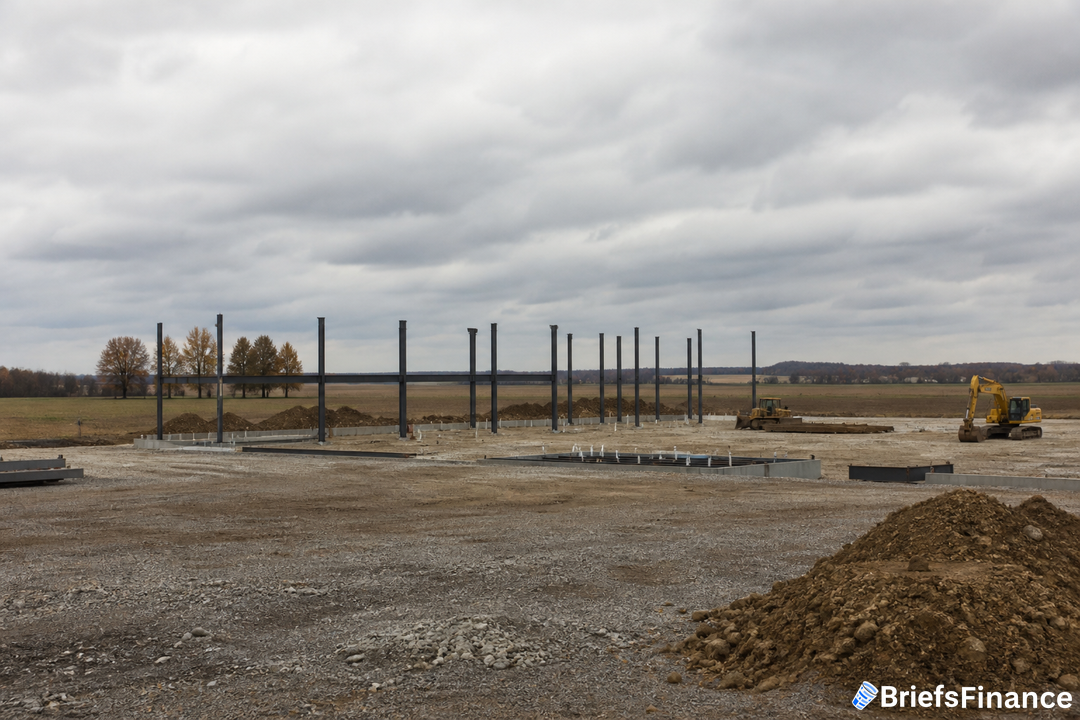
Honda said Monday it plans to build a new assembly plant near its Marysville, Ohio footprint, budgeting $3 billion for the project. The company is aiming for a 2029 production start, with room for 240,000 vehicles per year and more than 2,000 hires.
At Honda's U.S. heritage center in Ohio, Bob Nelson, an executive vice president at American Honda Motor, remarked, "This is not simply an investment in another plant. It is an investment in the future of Honda manufacturing in America."
What the plant will make and how it expands Honda's U.S. base
The facility is being designed to build models with internal combustion engines, hybrids, and fully electric powertrains, a mix that aligns with rising U.S. interest in hybrids. Once the plant comes online, Honda expects its American light-duty capacity to reach 1.3 million vehicles a year.
Honda currently operates 12 manufacturing plants in the United States, and eight of them make engines or light-duty vehicles. Since starting U.S. auto production in 1982, the company says it has turned out more than 33 million vehicles and over 39 million engines in the country, and it now employs more than 30,000 people here. Nearly all vehicles Honda sells in the U.S., including Acura, are produced in North America, with more than 60% built in the U.S.
This would be Honda's first new U.S. mass production vehicle assembly plant since it opened its Indiana facility in 2008. It follows other Ohio moves, including a $70 million performance vehicle site launched in 2016 and a multibillion dollar joint venture battery plant that opened earlier this year.
Long term investors benefit from learning new tools that gently sharpen decision making. We're hosting our first ever investor livestream on 11/17 to show you how to use ChatGPT and Claude to invest like a pro, hosted by Briefs Finance CEO Jaspreet Singh. Save your seat.
Industry backdrop and Honda's recent strategy shifts
Automakers have been moving more production closer to customers amid President Donald Trump's tariffs and pricier logistics that squeeze profits. About two weeks before Honda's news, Audi, a Volkswagen unit, announced plans to put more than $4 billion into what will be its first U.S. manufacturing plant in Georgia. General Motors, Ford Motor, Toyota Motor, and Hyundai Motor have also outlined plans to spend billions on new or upgraded U.S. plants.
Honda's Ohio plan follows a pivot in May, when the company put on hold indefinitely an $11 billion program to build all-electric vehicles and batteries in Canada and scrapped three EVs that had been slated for the U.S. market. According to the company, the new Ohio plant should materially boost U.S. production and sales of vehicles built in America.
The capacity squeeze is real. "In order to be competitive in this market, you're going to need to build products here," said Jennifer Thomas, who serves as senior vice president of corporate affairs at American Honda Motor, on Oct. 27 in Detroit. She also cautioned the sector could face a "catastrophic" outcome if the U.S. and Canada fail to strike a new trade pact by year-end, pointing out that Trump has threatened to lift duties on Canadian vehicles and components to 50% from 25% on Jan. 1 absent a deal.
Why it matters for investors
A flexible plant that can swing between gas, hybrid, and EV output gives Honda room to match U.S. demand while trimming exposure to imports as tariffs and freight costs remain wild cards. The bottom line: more U.S. capacity - alongside peers' big domestic builds - supports Honda's volumes and pricing in its largest market as the powertrain mix evolves.
Cultivating a thoughtful approach to evolving technology can help investors stay confident. On 11/17, our CEO Jaspreet Singh goes live for our first ever investor livestream on how to use ChatGPT and Claude to invest like a pro. Register to join him.