What is on the table
The 31st gathering of nations under the UN climate treaty kicks off Monday in the Turkish resort city of Antalya under a cloud of waning ambition. Organizers expect about 60,000 diplomats, officials and advocates, plus smaller groups of world leaders and business chiefs.
This COP arrives with a narrower agenda than any major session since the Paris Agreement, and fewer marquee leaders are due. Alongside Turkish President Recep Tayyip Erdogan, those slated to attend include UK Prime Minister Andy Burnham; Brazil's President Luiz Inacio Lula da Silva; Finland's President Alexander Stubb; Ursula von der Leyen, who leads the European Commission; China's Vice President Han Zheng; and International Energy Agency chief Fatih Birol. A large US delegation of congressional representatives, governors and mayors is also heading to Antalya to highlight continued decarbonization in boardrooms, cities and states even as Donald Trump withdrew the US from the Paris pact and rolled back federal environmental rules.
The push to electrify, and how talks could move
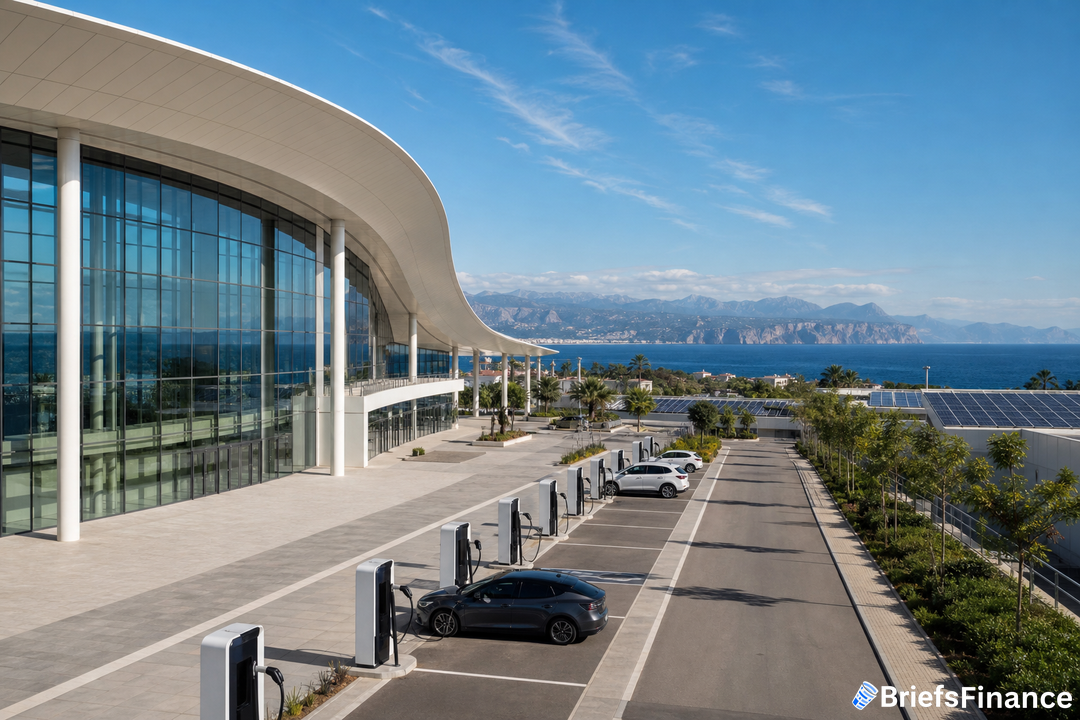
Turkey's signature bid is a global electrification drive. The presidency wants countries to back a target to raise electricity's slice of total final energy use from just over one fifth today to 35% by 2035, on the premise that replacing liquid transport fuels and using more renewables for heat and power cuts greenhouse pollution. Australia's Climate Change and Energy Minister Chris Bowen will lead negotiations under a compromise that splits duties between Ankara and Canberra, and has said the presidency aims to put the electrification goal into the summit's political cover decision. Some nations are already pressing to specify that the goal should be met mainly with emissions free electricity.
Delegates plan to convert the COP28 Dubai global stocktake into tangible measures - among them a commitment to transition away from fossil fuels - while simultaneously preparing the next review cycle through 2028. After agreeing on indicators to measure progress toward a global target on adaptation, countries will tackle how to oversee and implement that work. Another track seeks a mechanism to better protect workers and communities affected by the energy transition. Beyond the formal talks, countries will be invited to sign voluntary commitments requiring AI companies to disclose environmental impact data and pushing data centers to operate on clean power.
The backdrop shaping the mood
The UN warned last month the world can no longer keep warming below 1.5C, and a year of climate driven extremes underscored the risk, with tens of thousands of deaths resulting from deadly heat waves and Europe-wide wildfires, as well as a catastrophic glacier collapse in Nepal. Meanwhile, wars in Iran and Ukraine have strained alliances and, at times, diverted funds from climate aid to defense, while also exposing the financial cost of heavy fossil fuel dependence.
Fuel prices tell the story too. A Bloomberg gauge linked to oil and gas futures rose roughly 67% over the 12 months to Friday, highlighting the run up in costs since negotiators gathered for COP30 in Belém, Brazil a year ago. Murat Kurum, who serves as Turkey's minister for environment, urbanization and climate change and also presides over COP31, said, "This year's energy crisis has shocked us out of our complacency." "Everyone now understands that energy that you must import is energy that you do not control." Laurence Tubiana, CEO of the European Climate Foundation and a Paris Agreement architect, sees scope for a swing back toward action in Antalya after lean COP outcomes during years marked by US disengagement, arguing that emissions free technologies offer "a solution to escape from that volatility and have more solar and more energy security."
Shifts toward electrification show how technology can quietly reshape investment opportunities. We're hosting our first ever investor livestream on 11/17 to show you how to use ChatGPT and Claude to invest like a pro, hosted by Briefs Finance CEO Jaspreet Singh. Save your seat.
There is another current running through the meeting. Attention from the public on the energy and environmental toll of rapid data center construction has intensified, a trend that aided Democratic candidates in the US midterm elections last week and is bolstering the summit's voluntary pledges on AI transparency and clean power for data centers.
The fights likely to dominate, and why investors should care
This COP tilts toward delivery over new moonshots. "It's a bit of a roll up your sleeves and get it done COP," said David Waskow of the World Resources Institute. The enduring friction point is money.
Developing nations, frustrated by unmet pledges, are seeking assistance to develop without relying on the unchecked use of fossil fuels that built the US and Europe, while some rich countries argue emerging economies are not cutting fast enough. Two years ago, countries set a goal to deliver 300 billion dollars per year by 2035, led by developed nations, and to aim for mobilizing 1.3 trillion dollars each year by 2035, drawing on all public and private sources. It is unclear whether that scale will arrive on time, though developing countries insist it is essential for cleaner growth.
Ilana Seid, from Palau and serving as chair of the Alliance of Small Island States, said, "We have the technologies.
The bottom line: watch for where the electrification target lands, how adaptation tracking gets enforced, any guardrails for a just transition, and how far countries go on AI and data center pledges. A consensus outcome would send a strong global signal, which markets tend not to ignore.
Savvy investors gain an edge by learning how new tools inform decisions. On 11/17, our CEO Jaspreet Singh goes live for our first ever investor livestream on how to use ChatGPT and Claude to invest like a pro. Register to join him.