Why protein demand is retooling animal health
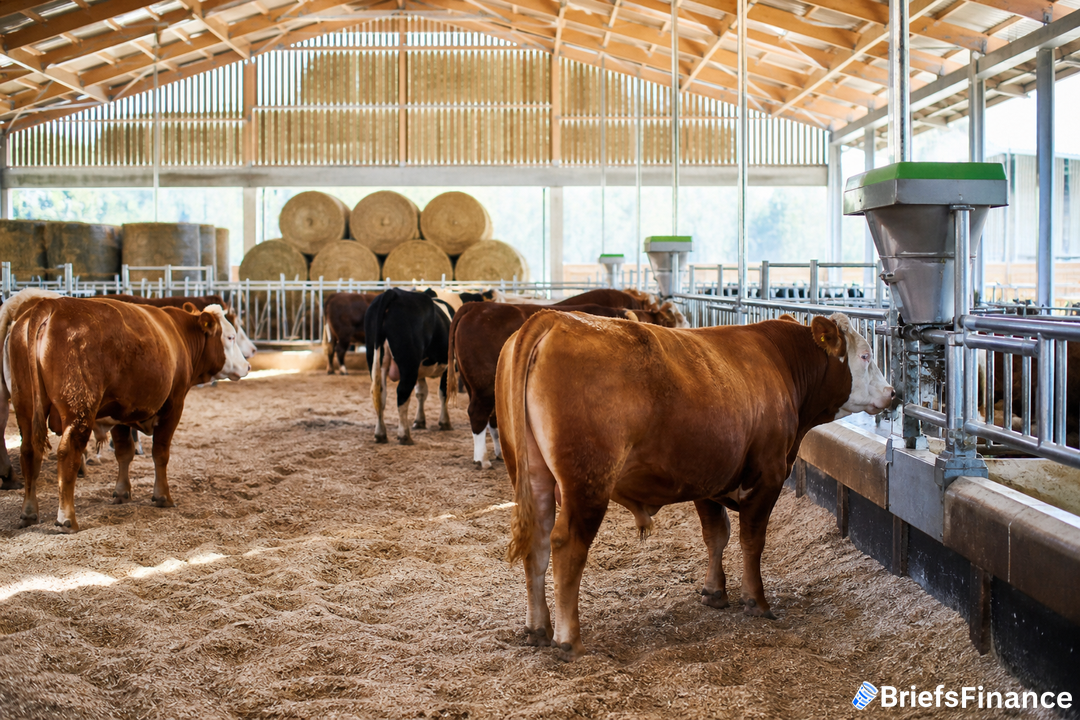
More mouths to feed and new eating habits are lifting protein intake, and that is pulling capital into the barn. US demand is accelerating, helped by weight-loss medicines and an official pivot back toward meat in diets, which is pushing companies to scale technologies that keep animals healthy and production steady.
"In the next 24 months, we're going to see a lot of activity in this space," said Roddy O'Neil, who runs healthcare at Lincoln International LLC. "It's happening right now. The protein intake, the price of protein - we've never seen anything like this."
Keeping livestock healthy also keeps the food supply humming. Poultry vaccinations can prevent mass culls, while beef-cattle treatments and parasiticides fend off ticks and parasites such as New World screwworm, which can be lethal if not treated. The playbook now includes monitoring tools that flag when animals need care.
Deals, expansions and new tools
Big names are moving. In June, Merck & Co.'s animal health unit agreed to acquire Targan Inc., a poultry technology company, while it continues an $895 million buildout at an animal health manufacturing site in Kansas. In May, Elanco Animal Health Inc. bought AHV International, a Netherlands-based dairy-cow specialist. And in March, Zoetis Inc. struck a $160 million deal for Neogen Corp.'s animal genomics business.
At Zoetis, Abhay Nayak leads US operations and said, "There's a tremendous amount of demand for protein and the industry is trying to meet that demand." He added, "There's a lot of desire to ensure that they're using the tools at their disposal to maintain the health of these animals."
Targan's kit spans automation and delivery: machines that sort chicks by sex so processing plants receive flocks with greater uniformity, plus a rapid spray platform to vaccinate day-old hatchlings. Merck's animal health leader Rick DeLuca said the company has ramped up tech investments over the past decade and is building a suite of monitoring tools for producers.
Merck expects a beef-cattle monitoring system to hit the market for use in Australian feedlots in mid-2027, and it plans a US pilot next year that tracks pigs through their life cycle to pinpoint the best time to send them to market.
Smart investors constantly seek new tools that can sharpen their insights and timing. We're hosting our first ever investor livestream on 11/17 to show you how to use ChatGPT and Claude to invest like a pro, hosted by Briefs Finance CEO Jaspreet Singh. Save your seat.
Margins, models and the venture bid
Livestock health has long been the steadier but thinner-margin side of animal health, unlike the richer profits often found in pet drugs. According to Phibro Animal Health Corp. CEO Dani Bendheim, livestock medications must be safe for both animals and the humans who consume them, stretching development timelines and adding regulatory complexity. "You can't sell a one-time $1,000 product like you could do for a pet," Bendheim said. A dog or a cat is "a member of the family, and you will spend any amount of money on a member of a family. No one's ever going to treat a cow for cancer."
Investors are not shy. Venture capital firms have put a record $470 million into global livestock management this year, PitchBook data through Nov. 3 shows. Of that, about $88 million went straight into animal health - the highest level ever for that category.
The shopping list is widening beyond traditional meds, said Joe Crotty, a managing director with Chicago-based Livingstone Partners LLC. "Buyers aren't just acquiring animal health products anymore," he said. "They're acquiring technologies that improve the economics of raising animals."
Elanco CEO Jeff Simmons said the farm segment will stay the industry's center of gravity for at least the remainder of the decade, and he forecast 4% to 7% annual growth in livestock over that stretch. Global ruminants - primarily cattle - are Elanco's fastest-growing species, with revenue up 12% this year, the company's Friday earnings statement said. "The health of an animal - every percentage, half percentage of productivity - just means so much," he said.
What this means for your portfolio
The investable universe around protein is broadening: legacy vaccines and parasiticides, yes, but also genomics, smart sensors, and automation that squeeze more yield out of every animal. That mix helps explain why cash is flowing into both incumbents and startups.
The bottom line: this is a scale and efficiency story. Companies that help producers reduce disease risk, standardize flocks, and time market sends more precisely are positioned to capture steady, compounding demand tied to what the world eats.
Understanding emerging sectors calmly lets investors find opportunities and build long term confidence. On 11/17, our CEO Jaspreet Singh goes live for our first ever investor livestream on how to use ChatGPT and Claude to invest like a pro. Register to join him.