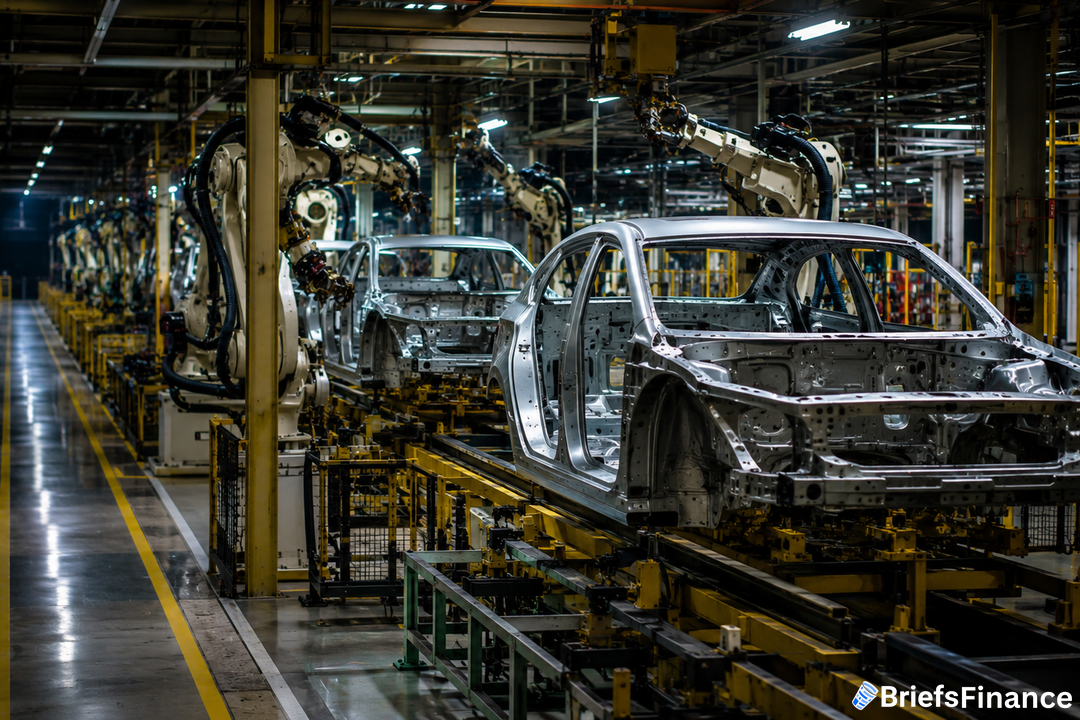
Oliver Blume, the Chief Executive Officer of Volkswagen AG, has announced a proposal to cut up to 50,000 additional jobs worldwide. At the same time, it just pocketed €7.4 billion ($8.5 billion) from selling a 51% stake in its ship-engine unit Everllence. CEO Oliver Blume says the old model of building cars in Germany and exporting them no longer works.
The Job Cuts
Blume said, "Group headcount has been growing for decades to a level that's no longer viable today," according to a memo seen by Bloomberg News. He called the roughly 50,000 positions a "theoretical deduction" - meaning the exact number isn't final yet. Labor unions oppose the plan.
VW's board has not yet approved it. The cuts would shrink a global workforce of more than 657,000 people.
Why Volkswagen Is Cutting
VW is struggling on several fronts. Sales in China are falling because of a protracted real‑estate crisis. Tariffs imposed by the US are squeezing profits at luxury divisions Audi and Porsche.
Get the market news that matters in a five-minute read with Market Briefs, our free daily newsletter
The European car market is sluggish, and many of VW's factories are running below capacity. Last month, Blume declared that the strategy of designing and shipping vehicles from Germany is no longer sustainable.
Blume said there are "smarter options" than closing factories. He pointed to a roughly 20% reduction in factory expenses in Germany over the last twelve months, describing it as encouraging. But he added that today the company can't confirm a "competitive allocation" for the plants.
VW also holds a portfolio of more than 2,000 stakes and businesses, which Blume called an "important area for change." Volkswagen's holdings include the Ducati motorcycle marque and an investment in QuantumScape Corp., a US solid‑state battery firm. The company intends to review which holdings align with its main automotive operations and profitability.
The potential job cuts have sparked strong resistance from IG Metall, Germany's powerful metalworkers' union, which holds significant influence at VW due to the company's co‑determination structure. Union leaders argue that mass layoffs would undermine the region's industrial base and have threatened strikes if negotiations fail. The works council has also voiced opposition, calling for alternative cost‑saving measures such as reduced hours or voluntary buyouts.
Volkswagen's governance structure, rooted in German co-determination law, grants labor representatives half the seats on the supervisory board, giving unions like IG Metall substantial leverage to block or modify restructuring plans. This system, designed to ensure worker interests are considered, has historically made it difficult for management to push through aggressive cost reductions without lengthy negotiations.
What to Watch
The plan still faces pushback from labor unions and needs board approval. Blume said the company cannot yet confirm a "competitive allocation" for the plants. Investors should watch whether VW can cut costs without shutting factories, and whether the sale of non‑core assets like the Everllence stake continues.
Join Market Briefs, our free daily newsletter, for a quick daily rundown of the markets