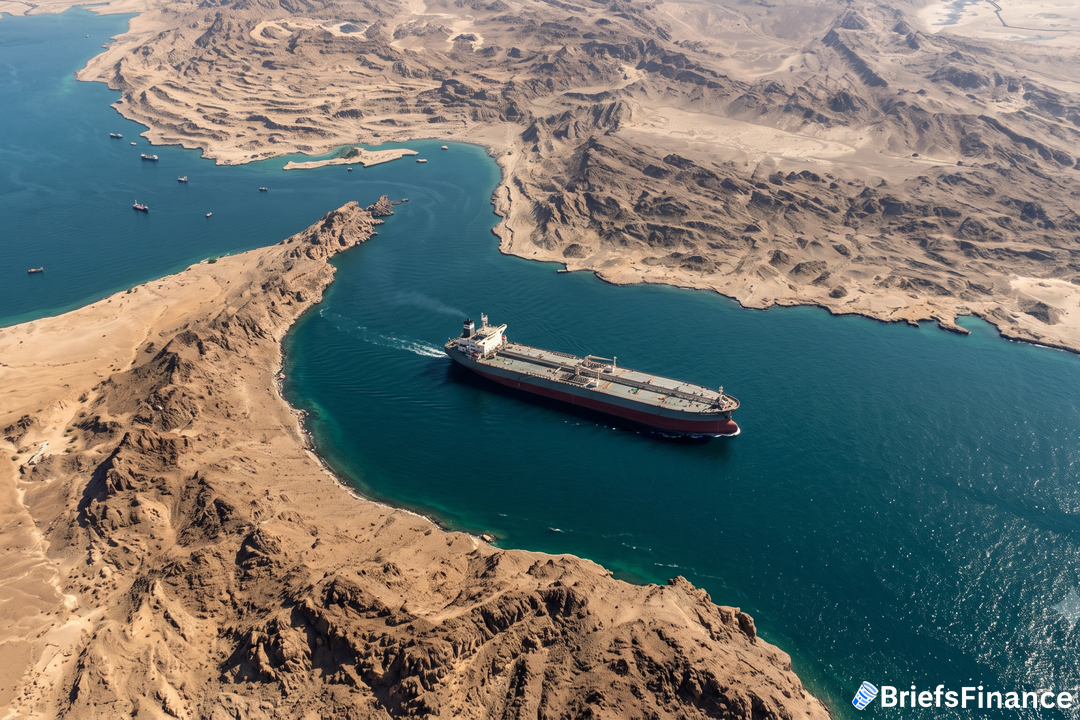
A tanker just left Qatar with a load of gas. That sounds dull.
But it is the first one out of the Persian Gulf since the Iran war began. And it only made the trip because Tehran said yes.
The Tanker That Got Permission
The ship is called the Al Kharaitiyat. It picked up its cargo at Qatar's Ras Laffan plant earlier this month.
The ship then cleared the Strait of Hormuz. It is now in the Gulf of Oman, with Pakistan listed as its next stop.
The ship did not take its old lane. It hugged the north route along Iran's coast.
That route is the only path Tehran has cleared since the war began. Iran signed off on this cargo under a deal between Qatar and Pakistan, per Reuters.
Qatar had tried this trip before. But each prior tanker turned back, which makes this one a real test.
The ship is owned by Qatar's Nakilat, per ship records. Nakilat did not reply to a request for comment.
The cargo is bound for Pakistan. That tells you the deal at the heart of this is between two states, not on the open market yet.
We track the energy moves Wall Street is actually watching every weekday in Market Briefs - five minutes a read, plus a free 45-minute investing masterclass when you join.
How This Compares To Prewar Flows
About one in five LNG cargoes worldwide moves through the Strait of Hormuz. The strait is the narrow channel between Iran and Oman.
Qatar shipped close to one-fifth of global LNG last year on its own. That made it the world's top LNG seller.
Since the war began at the end of February, Qatar's exports to the world had stopped. The block pushed gas prices up.
It also left buyers in Asia short on gas. Japan, South Korea, and India all lean hard on Qatari supply.
Spot LNG prices in Asia spiked in March and April. They have stayed high since.
A few tankers from Abu Dhabi's state oil firm have crossed too. But a handful is not a flow.
Iran and the U.S. still both keep block lines in place. Some ships in the area run with their tracking off to slip through.
That gives you a hint of how risky the trip still is. Crews and ship owners are taking on real harm to move each cargo.
Worth Noting
Hormuz used to see about three LNG cargoes a day before the war. One ship does not fix that gap.
The next test is whether more cargoes take the Iran-cleared lane. And whether the U.S. side of the block lets them through.
Buyers watching gas prices want to know if this is a trickle or a one-off. The answer will hit gas bills across Asia and Europe.
Stock buyers care too. LNG prices feed into power costs and into shares of utility, gas, and shipping firms.
If you want this kind of read on the market every morning, join 350,000+ investors reading Market Briefs - you also get a free investing course as a bonus when you sign up.